ETH and SOL Rebound 4.2% as DeFi Flows Stay Negative
1. OVERNIGHT MOVES The watchlist rebounded, led by ETH and SOL: BTC rose 1.5% to $82,154, while ETH and SOL each gained 4.2%, to $2,462.97 and $106.62.
All crypto stories, newest first. 2442 stories curated by CryptoCatalyst.

1. OVERNIGHT MOVES The watchlist rebounded, led by ETH and SOL: BTC rose 1.5% to $82,154, while ETH and SOL each gained 4.2%, to $2,462.97 and $106.62.

A sharp drop in bitcoin, ether and XRP triggered nearly $1 billion in forced closures of leveraged crypto positions. Ether made up almost 60% of the liquidations across bitcoin and ether, after falling roughly twice as much as bitcoin.

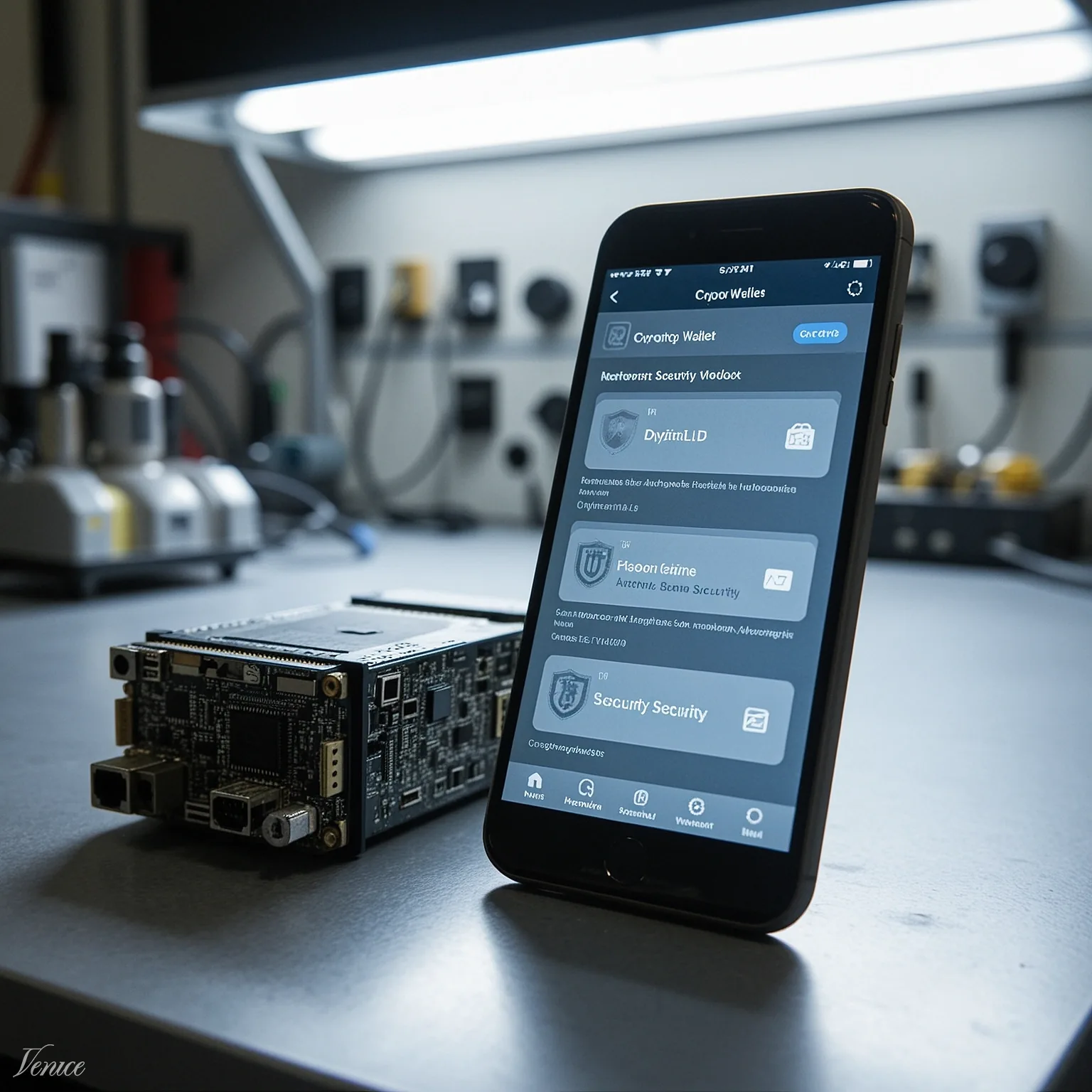
Ledger has unveiled Atom, an Android device designed to work as both a regular smartphone and a protected environment for managing crypto. The Block reports that it includes Solana Mobile integration, controls for AI agents and protections against hardware tampering; pricing and release timing were not provided in the source material.

Payments through Coinbase’s x402 protocol grew from about 1,500 in mid-2025 to more than 138 million by Q3 2026, according to Chainalysis. The report also found that U.S.-linked wallets accounted for just over 88% of tracked spending on AI models, while China accounted for 0.1%.

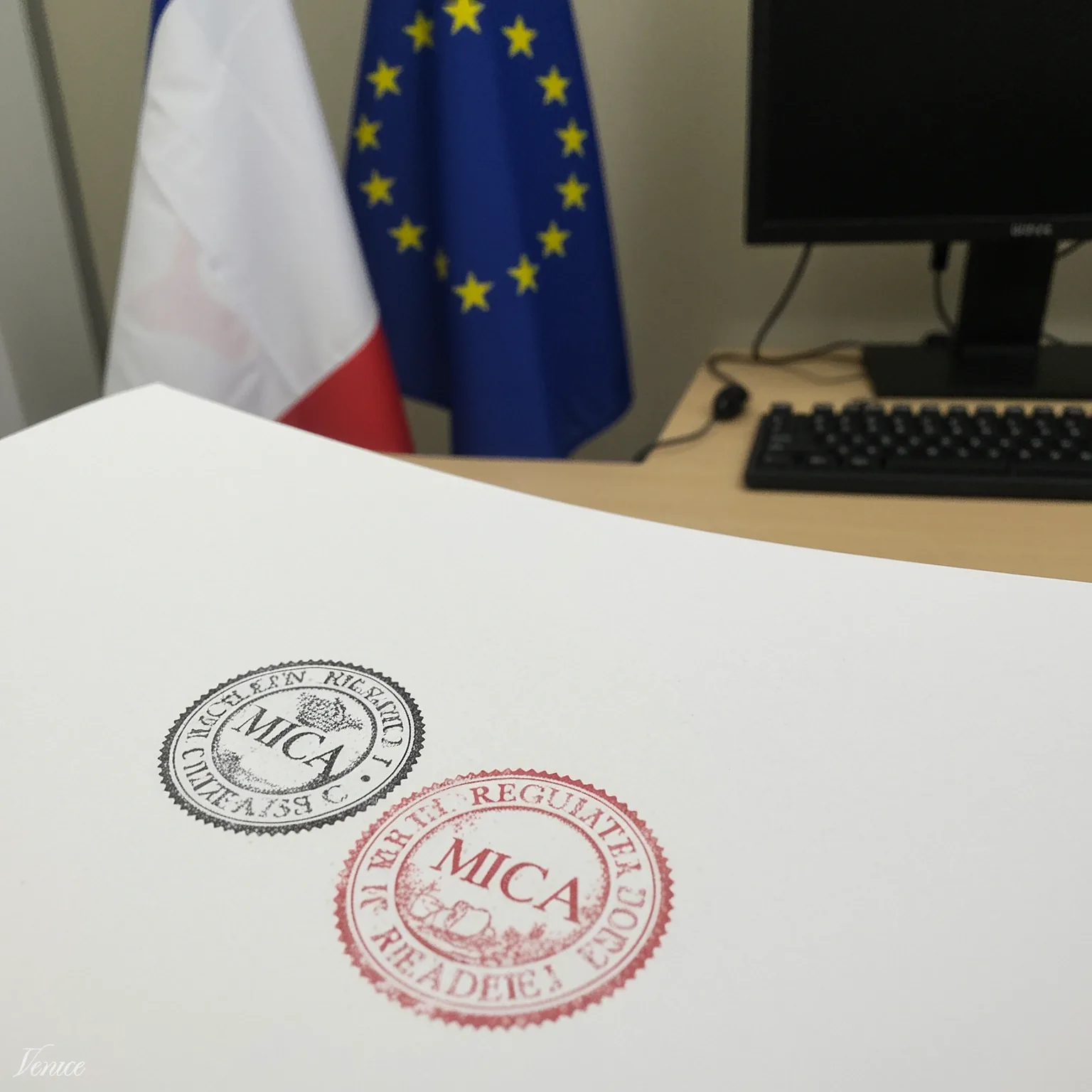
The European Banking Authority has classified Circle’s USDC as the EU’s first “significant” e-money token under MiCA. New supervisory responsibilities are due to begin on November 12, with French and EU authorities overseeing the stablecoin.

Starknet has opened a vote asking STRK holders whether the project should explore leaving its role as an Ethereum layer-2 and becoming an independent layer-1 blockchain. The stated reason is to reduce dependence on Ethereum's timeline for upgrades against future quantum-computing risks; the vote concerns whether to investigate the move, not whether it has been decided.

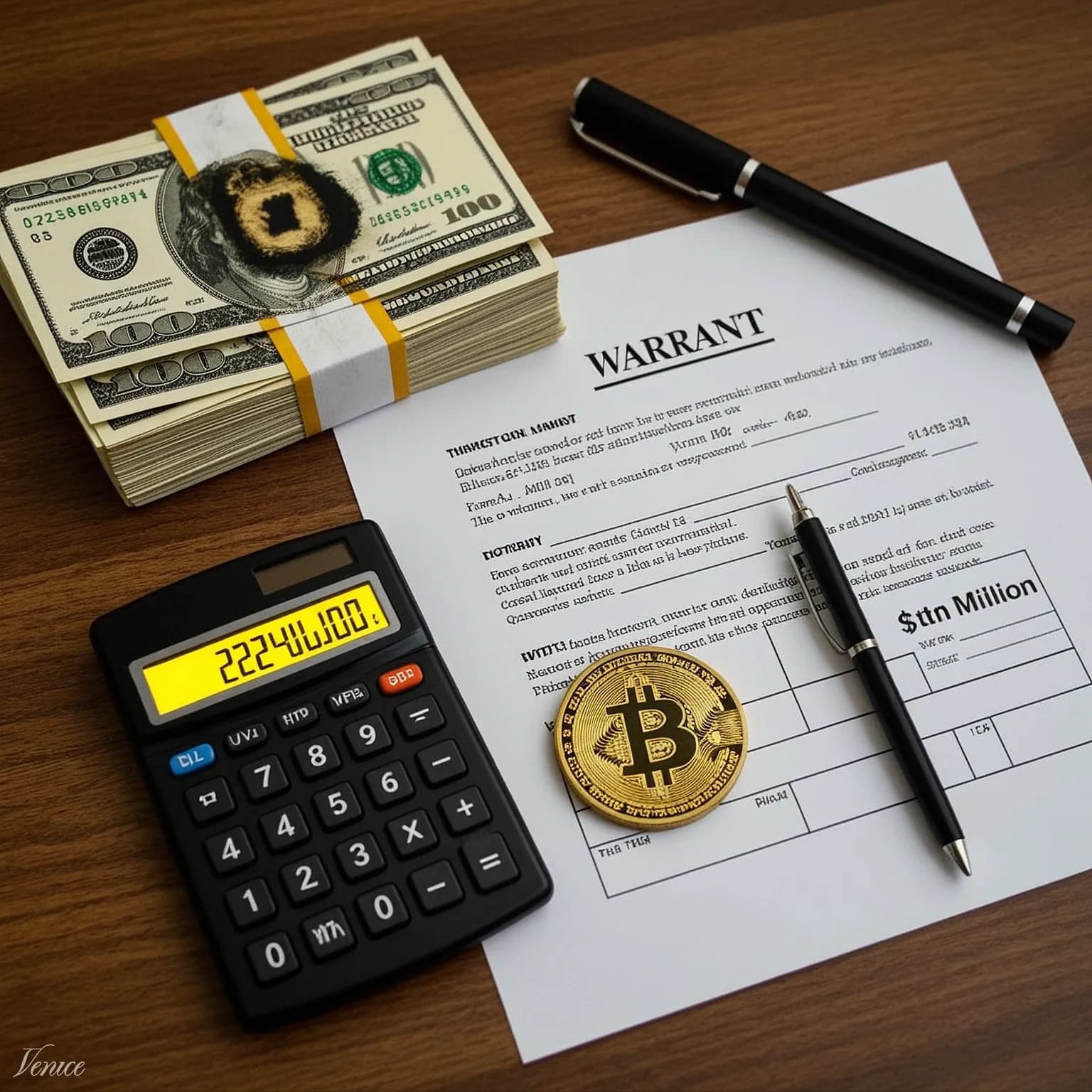
Strive bought 2,822 bitcoin for $235 million, using funds raised through traditional warrant exercises that generated $369.2 million in gross proceeds. The reported figures show the company raised more than it spent on this purchase, though they do not say how the remaining proceeds will be used.

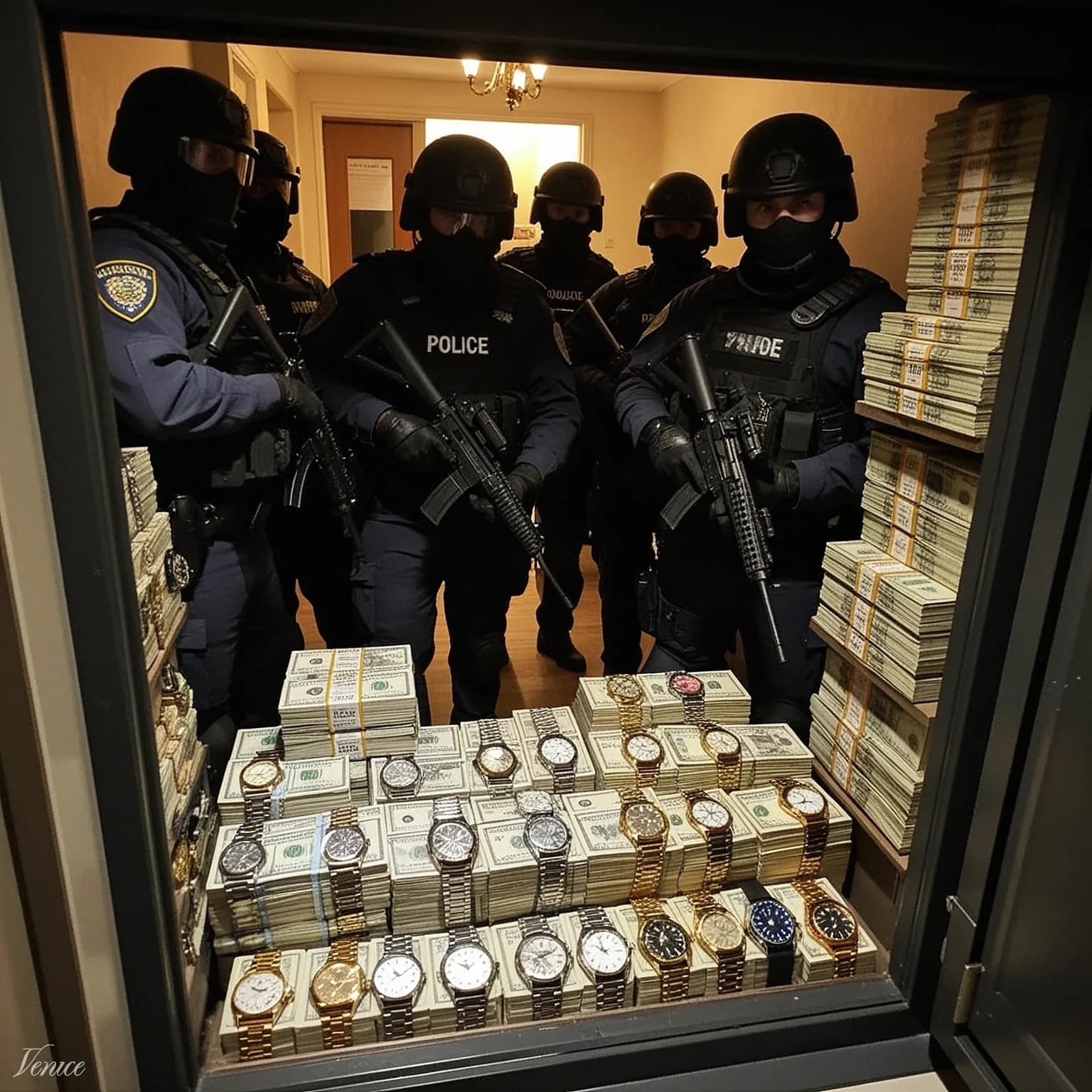
Turkish media reports say Richard Heart, founder of Hex and PulseChain, was detained in Istanbul after police raided his residence. Reports say officers seized $4 million in cash and 64 luxury watches, but police have not confirmed that Heart was detained.

Russia’s largest bank, Sberbank, has approval to offer both crypto custody and exchange services under the country’s new crypto law. It plans to add Bitcoin, Ethereum and USDT to apps used by 110 million retail clients, though the report does not give a launch date.

1. OVERNIGHT MOVES The watchlist sold off across the board: BTC fell 2.8% to $80,958, ETH dropped 5.5% to $2,365.60, and SOL declined 4.4% to $102.24.

A post by Tanaka raises a long-term investing question: AERO or UNI? It says both tokens are tied to protocols that generate revenue, but argues their tokenomics and growth prospects differ; the post’s description does not include the detailed comparison or a final pick.

Payward, the company behind Kraken, plans to acquire Lithuania's Saldo Bank, with the deal expected to close in 2027. The acquisition would help Payward expand traditional banking services into four EU markets where Saldo already operates, as it works toward offering cash, crypto, tokenized stocks and credit in one place.

DRW and Marex have completed what the announcement describes as the first over-the-counter swap referencing a fully tokenized index. The trade was executed on Derivnex through the Canton Network and used data from Kaiko.

Starknet has introduced Shadow Accounts, a feature designed to make it harder to connect a user's main wallet with their DeFi activity. It does not hide transactions from the blockchain: activity remains publicly visible, so the feature offers separation between identities rather than full transaction privacy.

BNY and Citadel Securities tested whether blockchain-based U.S. Treasury bonds could help trading firms move collateral faster between settlement and financing. The test highlights a practical Wall Street use for tokenization: making assets easier to transfer when firms need them to support trades or raise funding.

Standard Chartered has opened direct bitcoin and ether trading to affluent clients in the UAE. The bank handles custody and settlement itself through a closed-loop model, so clients do not need separate crypto wallets.

Chainalysis CEO in France Francois Volpoet warned that a proposed 31.4% tax on regulated stablecoins could push French traders toward offshore channels that are harder to monitor. The proposal is not described as enacted, and the available report does not specify which transactions or users would be taxed.

Bitcoin Magazine reports researchers built a working post-quantum defense for Lightning, but the report lacks design details or performance data. Separately, Coinbase urges Bitcoin to adopt flexible addresses and backup quantum-proof keys now.

Qivalis has secured authorization from the Dutch central bank to operate as an electronic money institution, a regulatory step toward offering onchain euro settlement infrastructure under MiCA rules. The project is backed by BBVA, BNP Paribas and ING, though the announcement does not specify a launch date or product details.

The watchlist is mixed, with SOL taking the clearest hit: BTC $83,260 (+0.7%), ETH $2,507.10 (−0.9%), SOL $106.82 (−3.0%).
A UK court ruling has improved the government’s position in a dispute over 61,000 bitcoin seized by the Metropolitan Police, worth about $5 billion. The judge said Chinese law should govern victims’ claims, a decision that weakens the claimants’ case but does not itself settle who ultimately gets the bitcoin.

Federated Hermes is working with Prometheum to offer blockchain-based share classes of its funds through traditional brokerage accounts. The Pittsburgh-based manager oversees $911 billion, but the announcement details provided do not specify which funds will be included or when the shares will launch.

The XRP Ledger was patched to fix a critical integer-overflow bug, dormant since 2015, that could have let an attacker mint spendable XRP beyond the token's total supply. Researchers demonstrated the exploit, prompting an emergency software release.

Aptos has rolled out an optional encrypted mempool that hides transaction details until their order is finalized. The change is designed to make it harder for bots to front-run or sandwich pending trades, though users will need to choose the feature where it is supported.