Starknet Shadow Accounts Separate Wallet Identity From DeFi Activity
Starknet has introduced Shadow Accounts, a feature designed to make it harder to connect a user's main wallet with their DeFi activity. It does not hide transactions from the blockchain: activity remains publicly visible, so the feature offers separation between identities rather than full transaction privacy.
Key takeaways
- Starknet introduced Shadow Accounts to obscure connections between users’ main wallets and their DeFi activity.
- Transactions made through Shadow Accounts remain visible onchain.
- The announcement describes wallet-link separation, not full transaction privacy.
- Starknet previously introduced STRK20, a separate feature described as hiding ERC-20 balances and transfers.
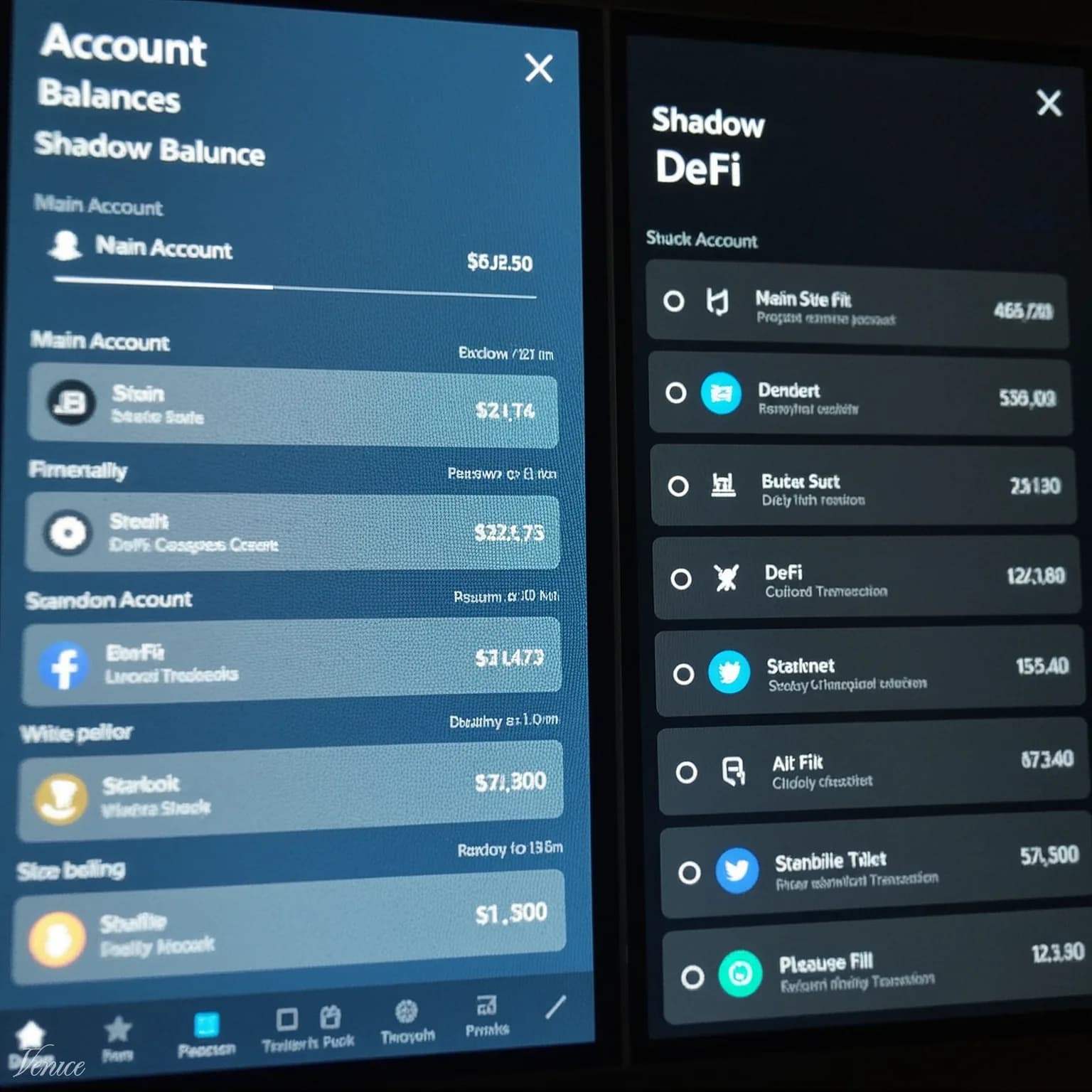
Starknet’s Shadow Accounts are designed to obscure the connection between a user’s main wallet and their DeFi activity. The feature may make it less straightforward for someone to follow a wallet’s activity back to its owner’s primary address, while leaving the transactions themselves visible onchain.
That distinction matters: Shadow Accounts add a layer of separation, but they do not make DeFi transactions private or invisible.
What do Starknet Shadow Accounts hide?
They aim to make the relationship between a user’s main wallet and their DeFi activity harder to identify. The source description does not provide implementation details, such as how accounts are created or how users move funds between them, so the exact level of separation cannot be assessed from the announcement alone.
For users, the potential benefit is reduced visibility into which DeFi activity belongs to their primary wallet. But public transaction records can still reveal what an account does, and links may be inferred from other information or behavior.
Why is this different from hiding transactions?
Onchain transactions remain visible. Shadow Accounts therefore address the link between wallets, not the public record of activity itself. That is a narrower privacy promise than systems that conceal transaction details or balances.
Starknet has also introduced a separate privacy feature for ERC-20 balances and transfers, called STRK20, according to an earlier report. The contrast is useful: Shadow Accounts focus on separating wallet identities, while STRK20 was described as hiding token balances and transfers. Neither announcement, by itself, establishes that all activity on Starknet is private.
For anyone using a Shadow Account, the practical takeaway is to treat it as a way to make wallet connections less obvious—not as protection against all onchain tracking. Users should look for Starknet’s technical documentation before relying on the feature for sensitive activity.
Frequently asked questions
What are Starknet Shadow Accounts?
Shadow Accounts are a Starknet feature intended to make it harder to connect a user’s main wallet with their DeFi activity.
Do Starknet Shadow Accounts hide transactions?
No. Transactions remain visible onchain; the feature is intended to obscure the connection between a main wallet and DeFi activity.
Are Starknet Shadow Accounts fully anonymous?
The available description does not establish full anonymity. It says wallet connections are obscured, while transactions remain public and may still be analyzed.