
general
Crypto Research Morning Brief — July 22, 2026
1. OVERNIGHT MOVES
via Crypto Research Autopilot#bitcoin#ethereum#market-analysis
All crypto stories, newest first. 1513 stories curated by CryptoCatalyst.
1. OVERNIGHT MOVES
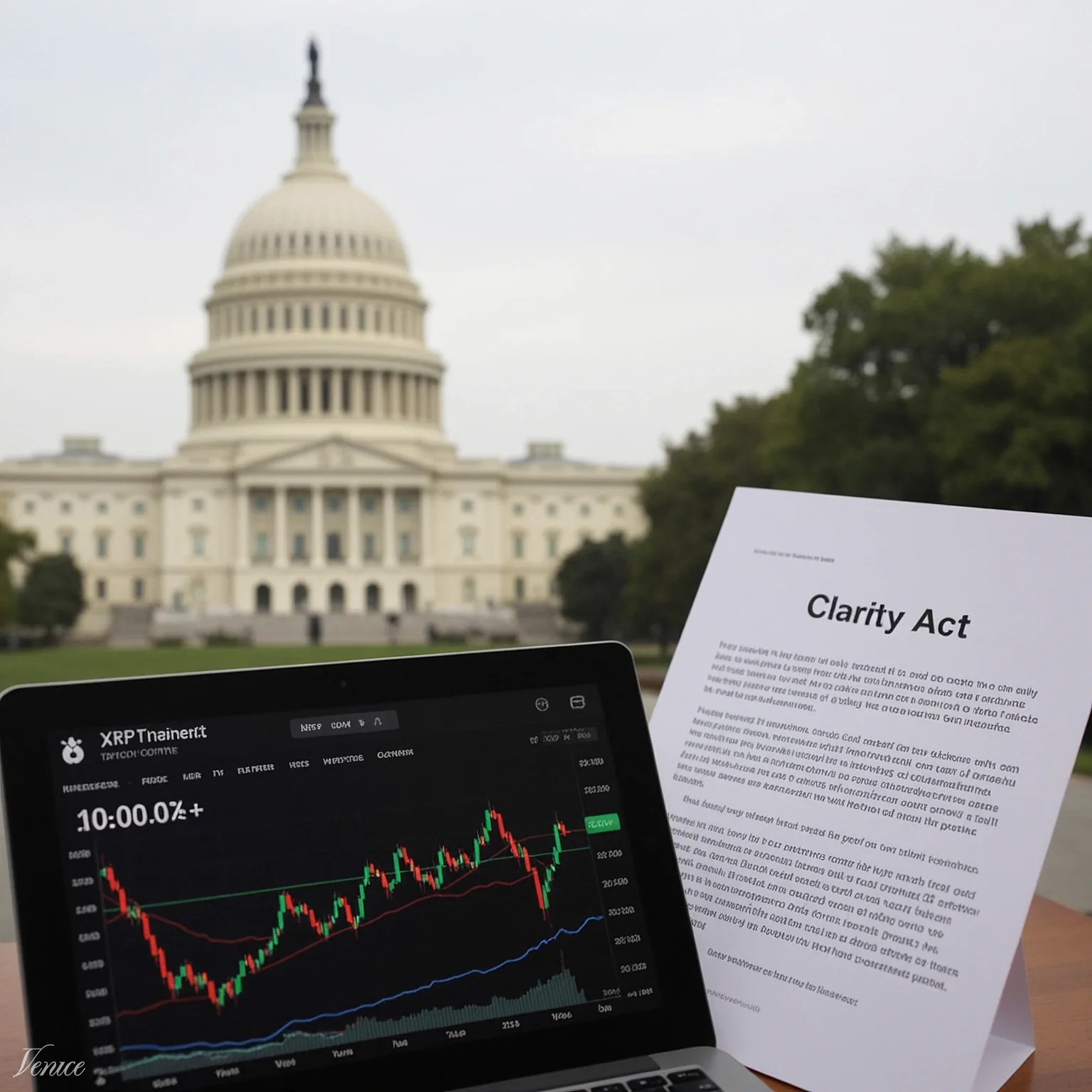
XRP had its best day in weeks, rising on hopes that the U.S. Clarity Act will provide regulatory clarity. However, technical indicators suggest caution is still warranted for investors.

Arcus, a decentralized exchange built by the dYdX team and backed by Robinhood, has expanded its offerings to include tokenized stocks and perpetual futures on the Robinhood Chain. This move is part of a broader trend of crypto platforms bringing traditional financial assets onchain.
Russia has passed a law allowing crypto trading but limits individual investments to $3,800 per year. The law primarily aims to help companies bypass sanctions and trade internationally.
Russia's parliament has passed its first comprehensive crypto law, creating a state-regulated framework for exchanges and investors. The law establishes state-run platforms to facilitate trade, particularly for sanctioned entities. The law is expected to take effect in 2027, but implementation details remain unclear.

The U.S. Treasury has frozen a $130 million crypto wallet tied to Iran’s IRGC. This is part of a broader effort to track and seize assets linked to Supreme Leader Ali Khamenei, increasing economic pressure on Tehran.

Augustus, a fintech startup, has raised $180 million to integrate stablecoins into a federally chartered bank, aiming to modernize cross-border payments. The Tiger Global-led round values the company at $1 billion.

Cardano has successfully executed its first hard fork entirely driven by community voting, marking a milestone in decentralized governance. The Van Rossem upgrade was approved and implemented without any single company controlling the process.

Telegram is planning what it calls the 'largest rollout of a non-custodial crypto wallet in human history,' aiming to bring millions into the crypto space through its messaging platform with over 900 million monthly active users.
President Trump has agreed to ethics language in a crypto bill, potentially moving the ball forward to getting crypto legislation passed into law.

CoinShares is entering Europe's $30 trillion UCITS market with a new platform and a Bitcoin Mining ETF. This move aims to attract institutional investors by offering regulated crypto investment products.

Patrick Witt, the administration's top crypto policy negotiator, has deferred his military training to stay involved in the CLARITY Act's Senate proceedings. The bill could significantly reshape U.S. crypto regulations, with a vote expected in the next few weeks.
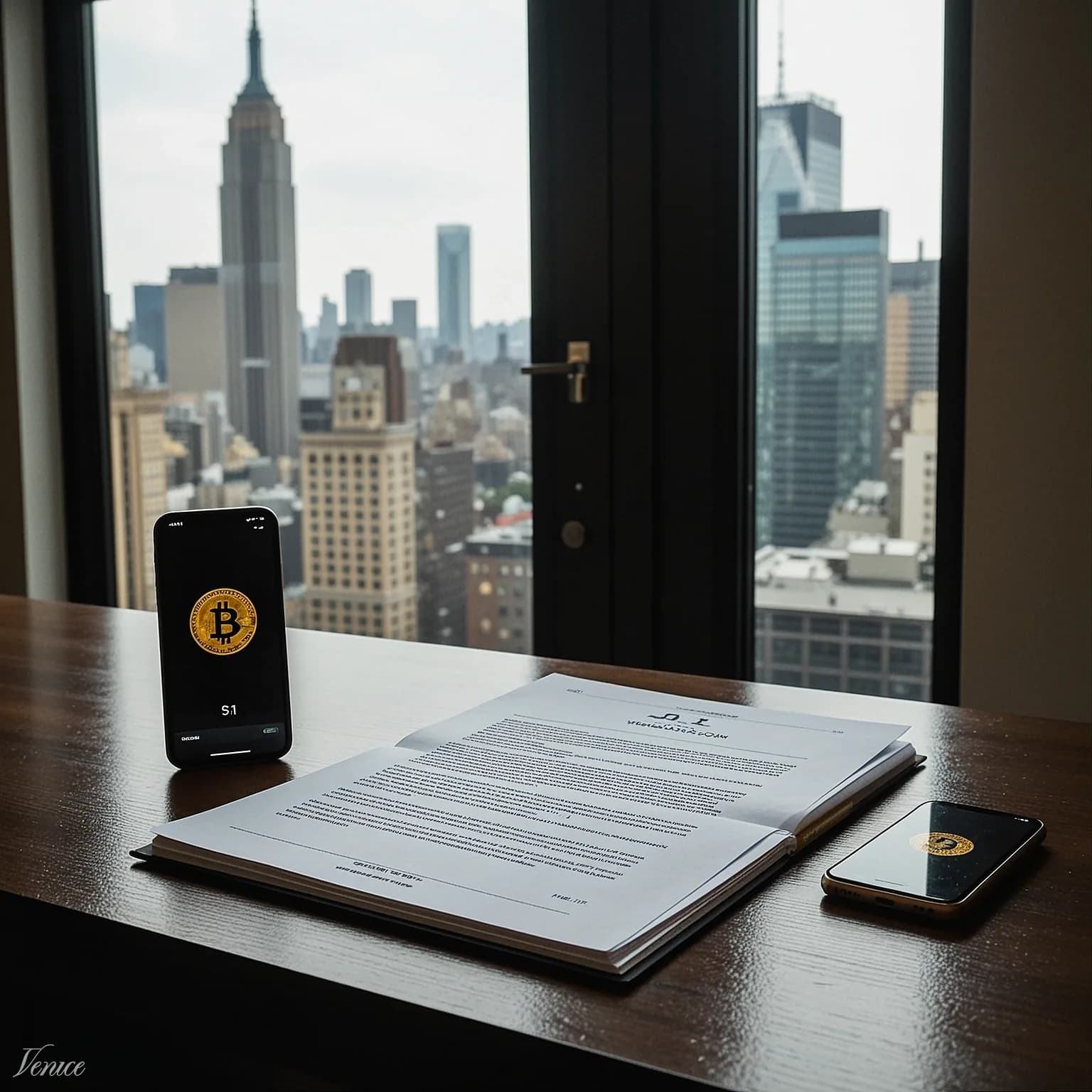
Grayscale Investments has filed an S-1 registration with the SEC to launch the first Worldcoin ETF in the US, expanding its lineup beyond Bitcoin and Ethereum products.

Morpho has introduced a new fixed-rate lending protocol called Midnight, complementing its existing variable-rate markets on Base. This offers users more predictable borrowing and lending options in the decentralized finance (DeFi) space.
The UK's Crypto and Digital Assets All-Party Parliamentary Group (APPG) has launched an inquiry into banks that deny services to crypto firms, examining whether these practices are justified or unfairly stifling the sector.

The Bank of Korea's CBDC pilot, Project Hangang, has expanded to 500,000 users in its second phase. This time, real government money is involved, marking a significant step from the initial trial.

Galaxy Digital is committing up to $5 million to prepare Bitcoin for potential quantum computing threats. Researchers, exchanges, and the U.S. government warn that a quantum attack, dubbed 'Q-Day,' could land as soon as 2030.

1. OVERNIGHT MOVES

NEAR co-founder Illia Polosukhin warns that AI-assisted hacking is advancing faster than traditional code reviews. He advocates for formal verification to secure blockchain code from AI-driven threats.

Allbridge, a cross-chain protocol, has temporarily halted operations following a $1.65 million exploit involving a flash loan. The attacker manipulated pool ratios to withdraw assets at favorable rates before bridging funds.

Nigeria's president has signed an executive order creating a virtual asset council to oversee crypto regulation. The move aims to unify fragmented crypto policies and establish clear tax guidelines for digital assets.
The SEC has sued Mining Automatic and its founder for allegedly defrauding investors out of $22 million. The company promised guaranteed returns from crypto mining but reportedly spent only a fraction of the funds on mining operations.

Hyperliquid is introducing permissionless prediction markets, first on testnet and later on mainnet, as part of the HIP-4 upgrade.

Cardano's latest upgrade, the Van Rossum hard fork, marks the first time the network's community voted on a major update. The change moves Cardano to version 11 and introduces new governance features.