Google’s Willow chip reduces a key bottleneck in future Bitcoin quantum attacks
Google says its Willow quantum chip can prepare certain states needed for advanced calculations with about 40 times fewer errors, improving one part of the hardware needed for a future attack on Bitcoin wallets. The report does not mean current Bitcoin wallets have been cracked: a capable, large-scale quantum computer remains a future concern.
Key takeaways
- Google says Willow prepares certain quantum states with about 40 times fewer errors.
- The improvement addresses one hardware bottleneck, not the full challenge of attacking Bitcoin wallets.
- The report does not say that Bitcoin wallets have been cracked or provide a date for a capable quantum attack.
- Satoshi-era bitcoin is part of the debate over how Bitcoin should handle future quantum risks.
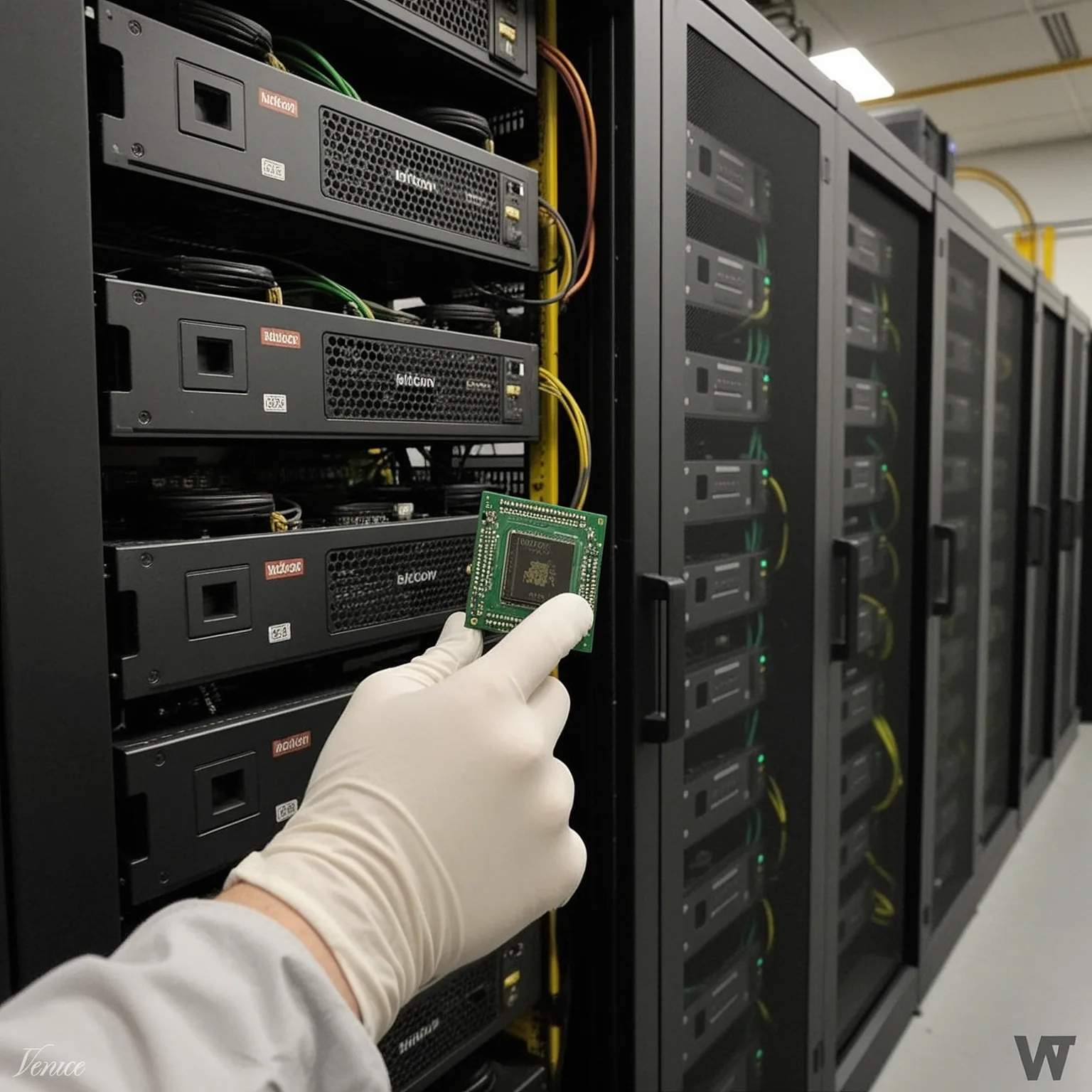
Google’s Willow chip has reduced one hardware challenge behind a possible future quantum attack on Bitcoin. The company says Willow can prepare the special quantum states needed for advanced calculations with about 40 times fewer errors.
That improvement matters because a quantum computer would need far more than a headline-grabbing chip to threaten Bitcoin’s cryptography. The report describes progress on a bottleneck, not a machine that can currently break wallets or steal bitcoin.
What did Google’s Willow breakthrough change?
Willow’s reported improvement concerns preparing quantum states for advanced calculations. Errors are a major obstacle in quantum computing, so reducing them could make some difficult computations more practical. But the 40-fold figure applies to this specific task; it does not mean the chip is 40 times closer to breaking Bitcoin.
The distinction is important for holders: no immediate wallet change follows from this announcement alone. The report offers no timeline for a Bitcoin-breaking quantum computer and does not say that any existing wallet has been compromised.
Why does this matter for older Bitcoin?
The story specifically raises concern about Satoshi-era bitcoin, referring to coins associated with Bitcoin’s earliest period. Older holdings are part of a wider debate over how the network might respond if quantum hardware eventually becomes powerful enough to threaten some cryptographic protections.
That debate is no longer purely theoretical for Bitcoin planners: the issue has prompted preparation efforts, including Galaxy’s commitment to quantum-readiness work and research into protecting existing wallet addresses. Willow adds a hardware milestone to that discussion, but it does not settle how or when Bitcoin should change.
What should Bitcoin users watch next?
For everyday users, the practical signal is not a need to move funds today. The more useful thing to watch is whether future research demonstrates reliable, large-scale quantum calculations relevant to the cryptography Bitcoin uses—and whether Bitcoin developers agree on a migration plan before that point.
The harder policy question is what to do about old coins whose owners may be unavailable, including whether those holdings should remain spendable if cryptographic risks rise. Willow’s reported error reduction sharpens the reason to plan, but it does not answer that question or establish an imminent threat.
Frequently asked questions
Can Google’s Willow chip hack Bitcoin?
The report does not say that Willow can hack Bitcoin. It says the chip prepares certain quantum states with about 40 times fewer errors, reducing one hardware bottleneck behind a possible future attack.
What does Willow’s 40-times-fewer-errors claim mean?
It refers to fewer errors when preparing special quantum states needed for advanced calculations. It does not mean Willow is 40 times closer to breaking Bitcoin.
Do Bitcoin holders need to move their coins because of Willow?
The report does not establish an immediate threat or recommend moving funds. The longer-term issue is whether Bitcoin can prepare a migration plan if quantum computers become capable of threatening its cryptography.