Europe's Strict Crypto Rules May Trigger Industry Consolidation
Europe's new crypto regulations, like MiCA, are pushing companies to merge or partner with banks. This could reshape the industry by making it more stable but less competitive.
51 stories about MICA from across the crypto press, curated and summarized daily. Most recent: Jul 26, 2026.

Europe's new crypto regulations, like MiCA, are pushing companies to merge or partner with banks. This could reshape the industry by making it more stable but less competitive.

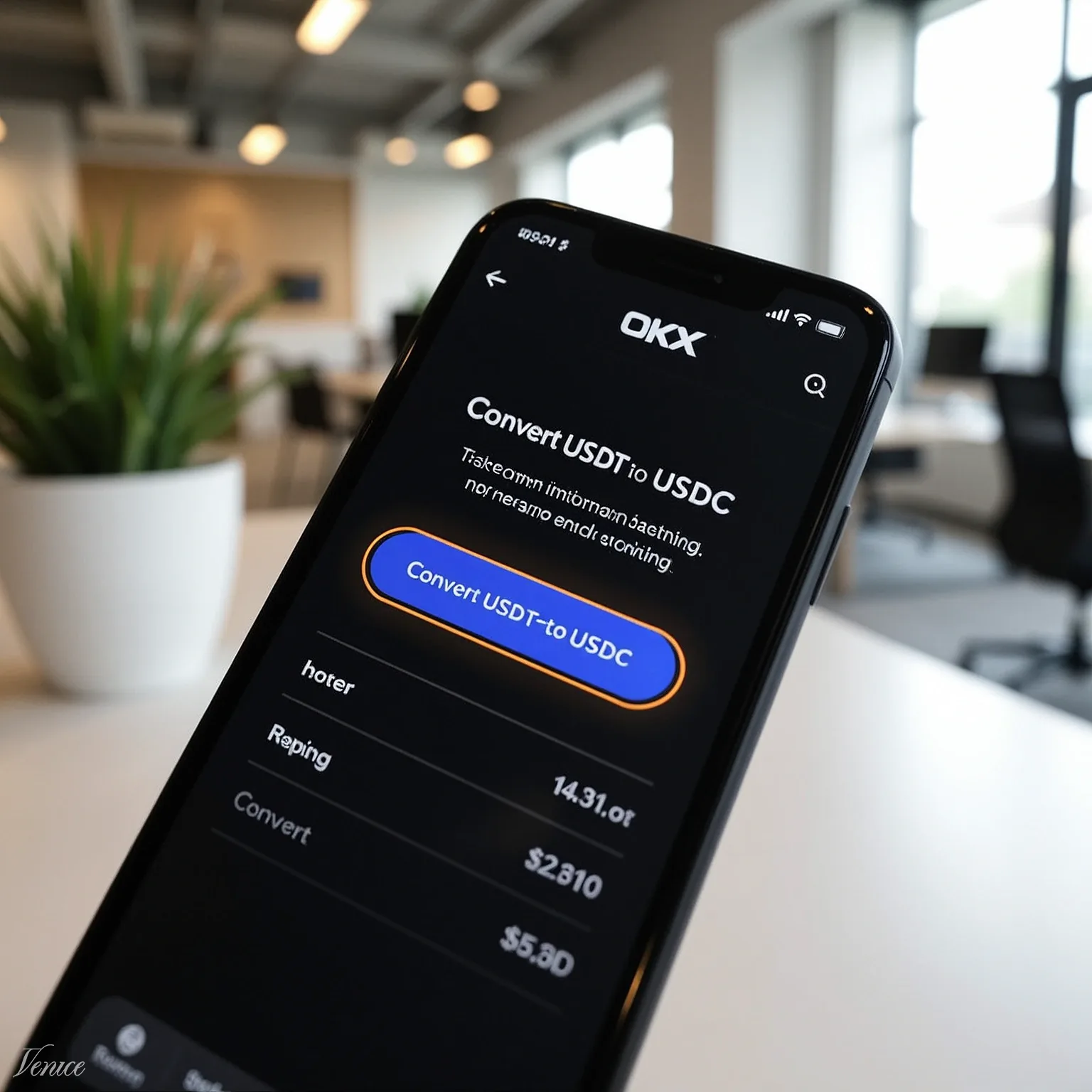
OKX Europe now lets users swap Tether’s USDT for Circle’s USDC, which complies with the EU’s MiCA stablecoin regulations. This move comes as MiCA reshapes the European stablecoin market, offering a voluntary path away from USDT.

After Binance suspended services in the EU, 70% of user withdrawals went to self-custody wallets, while only 30% moved to MiCA-regulated platforms. This highlights the challenges of regulatory compliance in the crypto space.

EU officials are reportedly considering updates to the MiCA framework, known as “MiCA 2.0,” to include non-EU stablecoin issuers. This move follows the US's stablecoin law and aims to address tokenized payments and deposits.

The European Parliament wants more analysis of decentralized finance, staking, and NFTs now that the MiCA framework's transition period has ended. This could lead to new regulations affecting crypto users across the EU.

Ripple has obtained a full MiCA license in Luxembourg, allowing it to offer regulated crypto services throughout the European Economic Area. This marks a significant step toward mainstream crypto adoption in Europe.

Belgium’s financial regulator has added six crypto firms to its fraudulent CASP list, warning consumers about unregistered providers. This action comes just days after the EU’s MiCA regulation deadline for crypto firms to register.

Ripple's preliminary crypto asset provider license in Luxembourg has been upgraded to fully compliant, meaning it is now MiCA-compliant for payments, financial institutions, corporates, and businesses across all 30 European Economic Area countries.

The EU's MiCA crypto regulations are now fully in effect, but lawyers and industry executives expect uneven enforcement. Unauthorized crypto companies must wind down operations, but regulators may apply rules inconsistently.

Binance's Europe head Gillian Lynch says the company met Greece's licensing requirements and remains committed to the EU, despite withdrawing its MiCA application days before the July 1 deadline. Lynch argues that MiCA's success should be measured by the entities it licenses, not those it excludes.

Wavespace, the Bitcoin-only neobank, has achieved MiCA compliance and launched its self-custodial wavecard® that uses Nostr Wallet Connect to automatically top up from users’ Lightning nodes, eliminating custodial preloading risks.

As Europe's crypto rulebook takes full effect, industry leaders agree regulation is here to stay, but disagree over whether it protects consumers or favors the biggest firms.

The Markets in Crypto-Assets Regulation (MiCA) is now fully active in Europe, affecting crypto companies and users. Some firms gain clarity, while others face stricter compliance demands.

Poland is the only EU country where crypto firms can't obtain a MiCA license because President Karol Nawrocki refuses to sign the necessary law. This forces tech founders to seek approval from other EU nations to operate legally.

The European Union is reviewing its MiCA crypto regulations to address changes in the market, particularly around stablecoins and tokenization. This review comes as the initial July 1 deadline for compliance has passed, signaling potential updates to the landmark legislation.

European crypto companies are increasingly moving to Dubai to avoid strict EU regulations. The UAE offers faster licensing and a dedicated crypto regulator, making it an attractive alternative. Dubai lawyer Irina Heaver notes the shift is driven by the upcoming MiCA deadline.

Germany has approved the most crypto companies under the EU's MiCA regulations, with 244 firms licensed across the EU and EEA. The July 1 deadline for compliance is fast approaching, making this a critical moment for the industry.

European regulators are ordering unlicensed crypto firms to shut down by July 1, marking the end of the MiCA transitional period. This move aims to enforce compliance with new EU regulations, potentially wiping out non-compliant businesses.

Spain's financial regulator has stated there will be no exceptions or extensions for crypto firms, including Binance, to comply with the EU's MiCA regulations by the December 2025 deadline. Industry leaders are divided on MiCA, with some praising its clarity and others warning it may limit customer access to liquidity.

The European Banking Authority (EBA) has detailed a penalty framework that can strip non-compliant significant token issuers of up to 12.5% of their annual revenue. This move comes as the EU's landmark crypto regulations take effect, aiming to enforce stricter oversight in the industry.

Binance experienced over $400 million in net outflows last week, but early exchange flow data show no clear signs of a mass exodus from the platform ahead of the EU's MiCA transition deadline, despite rivals' efforts to attract users.

Crypto firms in the EU must obtain a MiCA license by July 1 or shut down. Spain's regulator has ruled out extensions, leaving Binance and others in limbo.

EU lawmakers have issued a nonbinding report urging the assessment of DeFi, staking, and NFT regulations. The report warns against fragmented national rules under MiCA and calls for a unified approach to crypto regulation.

Spain's financial regulator has ruled out any extensions for crypto companies to comply with the EU's MiCA regulations. This means firms must secure proper licensing by the deadline or face penalties. The deadline is July 2026.