MiCA's Cleanup Sparks Scam Wave Across EU as Fraudsters Target Migrating Users
Scammers are impersonating regulators and licensed crypto exchanges to steal funds from users forced to migrate accounts after the EU's MiCA deadline. The fraud wave highlights the risks of regulatory transitions in the crypto space.
Key takeaways
- Scammers impersonate regulators and licensed exchanges to steal funds from EU crypto users migrating under MiCA.
- ESMA warns users to verify the authenticity of any MiCA compliance communication.
- Enable 2FA and report suspicious activity to your local financial regulator and exchange.
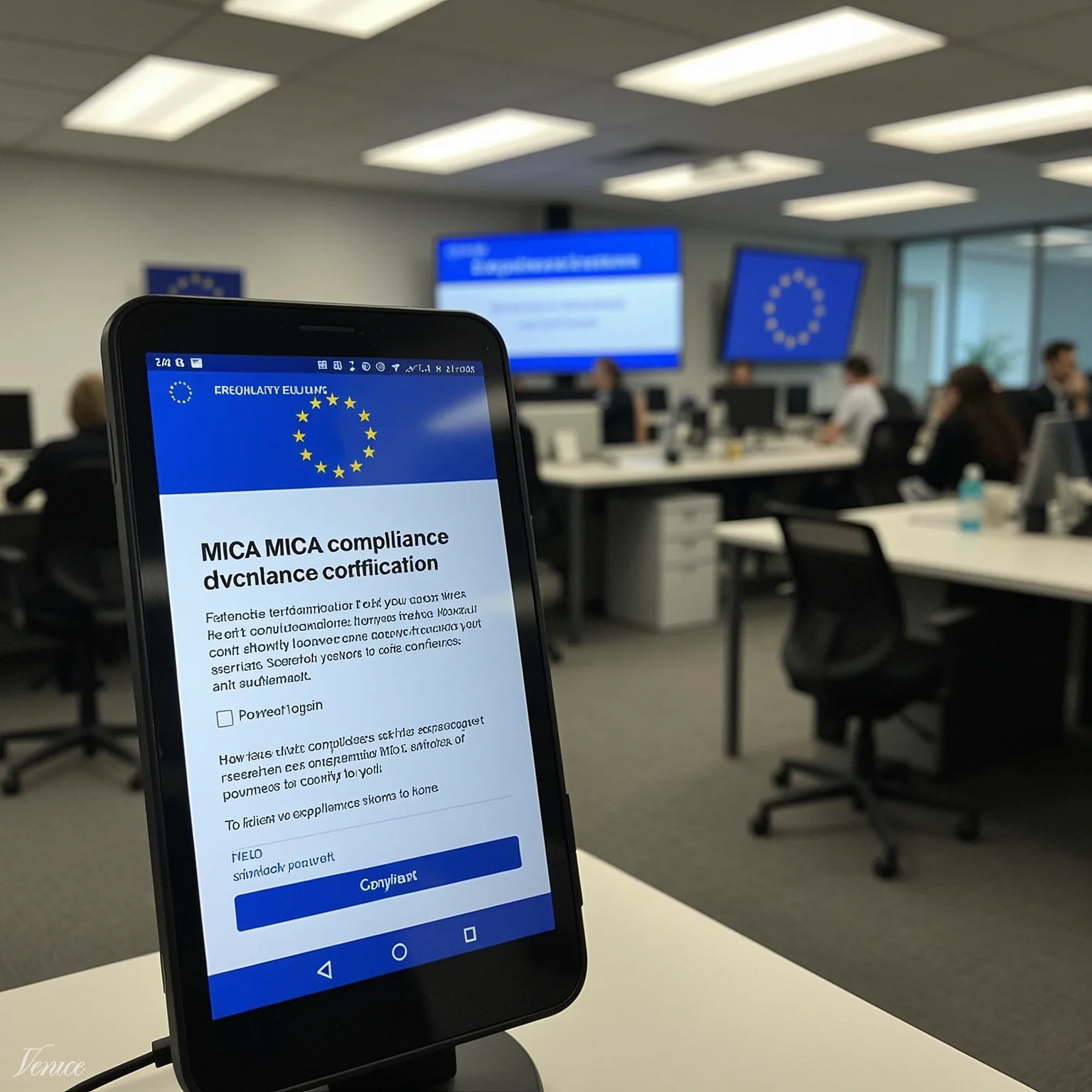
Scammers Exploit MiCA Migration Chaos
Fraudsters are capitalizing on the EU's Markets in Crypto-Assets (MiCA) regulatory cleanup, targeting users forced to migrate their accounts to licensed exchanges. Since the MiCA deadline, scammers have impersonated regulators and licensed platforms to steal funds from unsuspecting users. The rise in scams underscores the risks associated with regulatory transitions in the crypto space.
How the Scams Work
Scammers are using phishing emails, fake websites, and social media impersonation to trick users into revealing their login credentials or sending funds to fraudulent addresses. Some scammers pose as MiCA compliance officers, claiming users must verify their accounts or face penalties. Others impersonate licensed exchanges, asking users to transfer funds to new, supposedly secure wallets.
Why the Timing Matters
The scam wave coincides with the EU's MiCA deadline, which required crypto exchanges to comply with new licensing and operational standards. Users are being forced to migrate their accounts to licensed platforms, creating confusion and opportunities for fraud. The European Securities and Markets Authority (ESMA) has warned users to be vigilant and verify the authenticity of any communication related to MiCA compliance.
What It Means for You
If you're a crypto user in the EU, be extra cautious when receiving communications about account migration or MiCA compliance. Always verify the sender's identity and check the URL of any website you're directed to. Remember, legitimate regulators and exchanges will never ask you to send funds directly or reveal your private keys. If in doubt, contact the exchange or regulator directly through their official channels.
What to Do Next
- Verify Communications: Always double-check the sender's email address and the URL of any links provided. Look for subtle misspellings or unusual domain names.
- Use Official Channels: Contact your exchange or regulator directly through their official website or customer support line to confirm any requests.
- Enable Two-Factor Authentication (2FA): Add an extra layer of security to your accounts to prevent unauthorized access.
- Report Suspicious Activity: If you encounter a scam, report it to your local financial regulator and the exchange involved.
The MiCA cleanup is a necessary step for the crypto industry, but it's also a reminder that regulatory changes can create opportunities for fraud. Stay vigilant and protect your funds.
Frequently asked questions
What is MiCA and why are users forced to migrate their accounts?
MiCA (Markets in Crypto-Assets) is an EU regulation that sets licensing and operational standards for crypto exchanges. Users are forced to migrate their accounts to comply with these new standards.
How can I verify if a communication about MiCA compliance is legitimate?
Always double-check the sender's email address and the URL of any links provided. Contact the exchange or regulator directly through their official channels to confirm any requests.
What should I do if I encounter a scam related to MiCA compliance?
Report the scam to your local financial regulator and the exchange involved. Enable two-factor authentication (2FA) on your accounts to add an extra layer of security.