Darius Dale Cites Policy Interventions and AI Capex as Drivers for Higher Asset Prices
Macro analyst Darius Dale argues that structural U.S. debt challenges will force central bank and Treasury interventions, creating a persistent tailwind for risk assets. Combined with massive corporate spending in artificial intelligence, Dale foresees equities and hard assets reaching new highs over the next 12 to 18 months.
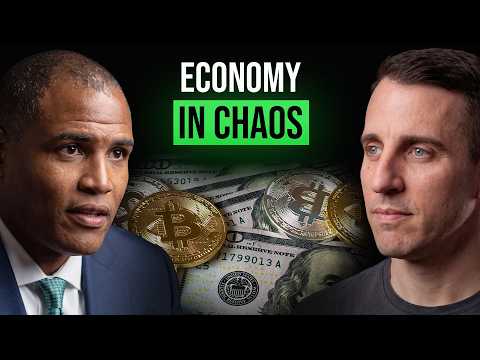
In a recent discussion, 42 Macro founder Darius Dale outlined why financial markets remain resilient despite significant economic headwinds, attributing ongoing market strength to structural fiscal dominance and massive technology investments. Dale explained that the U.S. government faces a severe supply-demand imbalance in the Treasury bond market, requiring over $12 trillion annually to roll over existing debt and fund budget deficits. This capital demand absorbs roughly 40% of global savings flows, forcing the Treasury and the Federal Reserve to rely on ongoing policy interventions—such as bank deregulation, debt management adjustments, or yield capping—to keep sovereign financing costs manageable.
According to Dale, these policy responses effectively act as monetary debasement, creating a supportive backdrop for risk assets. At the same time, asset prices are benefiting from an orthogonal demand shock in the technology sector driven by hyperscale artificial intelligence capital expenditure. With AI spending projected to grow from $800 billion toward $1.4 trillion annually, corporate earnings enjoy a powerful structural tailwind. Dale noted that this combination of financial pressure and earnings growth explains why stocks and assets like Bitcoin remain near all-time highs and are positioned to make significant new highs over the next 12 to 18 months.
The conversation also examined the broader economic implications of sustained high deficits, which Dale characterized as a "wealth pump" or reverse Robin Hood effect. Because a large share of federal outlays goes toward net interest payments and defense contractors, public spending disproportionately enriches capital holders rather than low- to middle-income earners living paycheck to paycheck. With little political appetite in Washington to cut deficits or balance the budget, Dale concluded that policy makers will continue to run the economy hot, reinforcing asset price expansion even as structural economic divides persist.