ECB President Lagarde Intervened to Block Binance’s EU MiCA License: WSJ
ECB President Christine Lagarde reportedly intervened to block Binance’s EU MiCA license application in Greece, even though regulators had previously deemed it complete. Binance has not directly addressed the report but reaffirmed its commitment to securing authorization in Europe.
Key takeaways
- ECB President Lagarde reportedly intervened to block Binance’s MiCA license application in Greece.
- The ECB has no formal licensing authority under MiCA, but high-level intervention led to the delay.
- Binance has not directly addressed the report but reaffirmed its commitment to Europe.
- Failure to secure a MiCA license could force Binance to suspend its services in the EU.
- The situation highlights broader regulatory challenges for crypto exchanges in Europe.
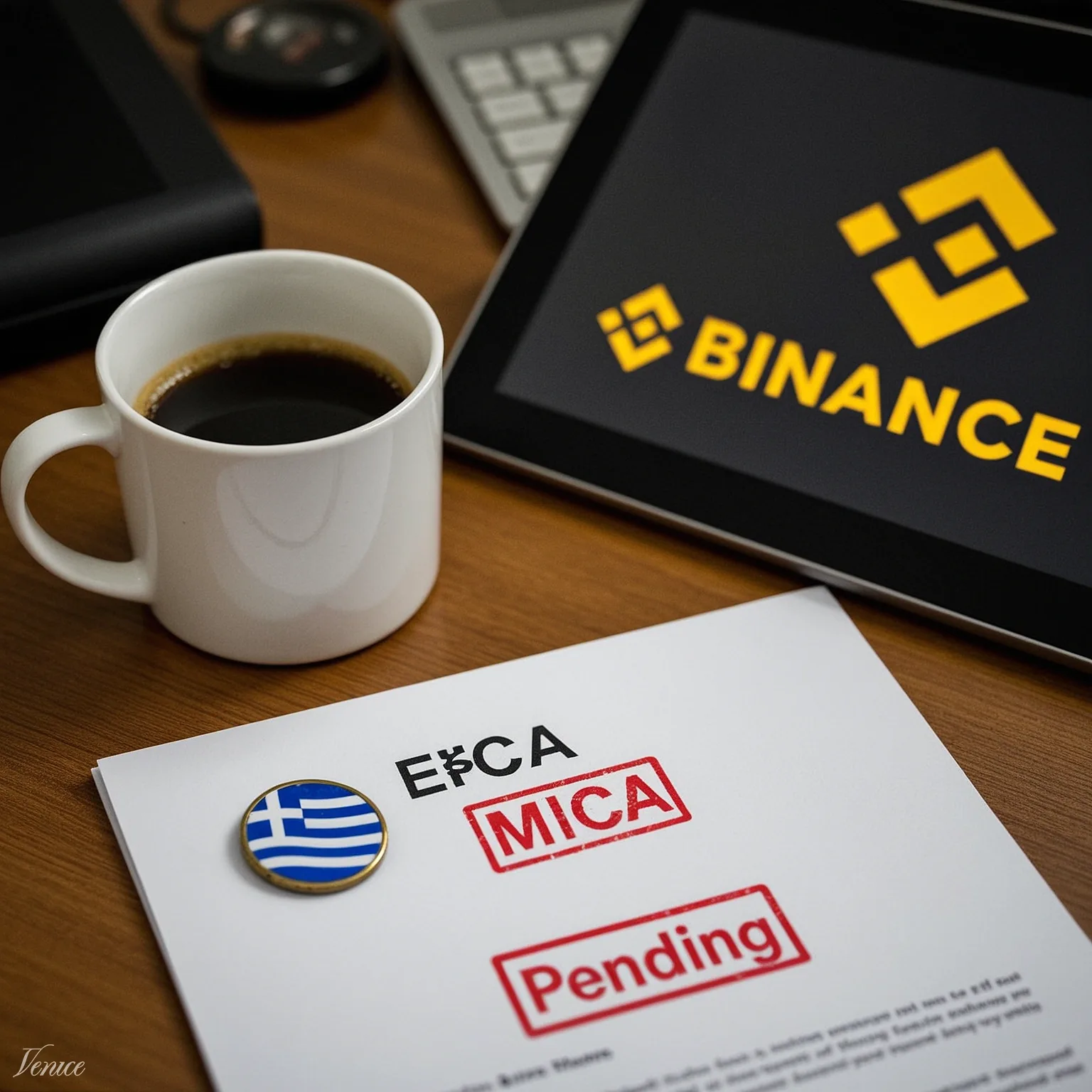
Lagarde’s Intervention Stalls Binance’s MiCA Bid in Greece
ECB President Christine Lagarde reportedly intervened to stall Binance’s application for a MiCA (Markets in Crypto-Assets) license in Greece. Although the European Central Bank (ECB) holds no formal licensing authority under MiCA, high-level intervention led Greek regulators to delay an application that had previously been deemed complete, according to a report by the Wall Street Journal.
Why the Timing Matters
The intervention comes at a critical time for Binance, as the exchange has been working to secure regulatory approval across Europe. The MiCA framework, which came into effect in late 2024, aims to create a harmonized regulatory environment for crypto assets within the European Union. Binance’s ability to operate in the EU hinges on obtaining this license.
What It Means for Binance and EU Users
Binance has not directly addressed the reports of ECB intervention but has reaffirmed its commitment to securing authorization in Europe. The exchange has faced regulatory challenges in the past, including withdrawing its MiCA license application in Greece earlier this year, leaving EU users in limbo. If Binance fails to secure a MiCA license, it may be forced to suspend its services in the EU, impacting millions of users.
What’s Next for Binance in Europe
Binance’s future in Europe remains uncertain. The exchange has been working to comply with regulatory requirements, but the reported intervention by Lagarde adds another layer of complexity. Users and investors should watch for further developments, including any official statements from Binance or regulatory bodies. Additionally, the situation highlights the broader challenges faced by crypto exchanges operating in a rapidly evolving regulatory landscape.
For more on Binance’s regulatory struggles, see our coverage of Ripple securing a full MiCA license and Binance’s potential exit from the EU.
Frequently asked questions
What is the MiCA framework?
MiCA is the EU's Markets in Crypto-Assets regulation, effective since late 2024, creating a harmonized licensing regime for crypto services across member states.
Why is Binance’s MiCA license important?
Securing a MiCA license is crucial for Binance to legally operate in the EU. Without it, the exchange may face restrictions or be forced to suspend services.
What does this mean for Binance users in Europe?
If Binance fails to secure a MiCA license, EU users may lose access to the exchange’s services, impacting millions of customers.
Has Binance responded to the reports of ECB intervention?
Binance has not directly addressed the reports but has reaffirmed its commitment to securing authorization in Europe.