New Map Reveals How 140 Countries Legally Treat Bitcoin
A new interactive map shows Bitcoin's legal status in 140 countries, from full legalization to outright bans. This resource highlights the global patchwork of regulations affecting crypto users and businesses.
Key takeaways
- Interactive map shows Bitcoin legal status in 140 countries.
- Color code: green (legal), yellow (restricted), red (banned).
- El Salvador fully legalized Bitcoin; China banned it.
- Understanding local laws is key for compliance and travel.
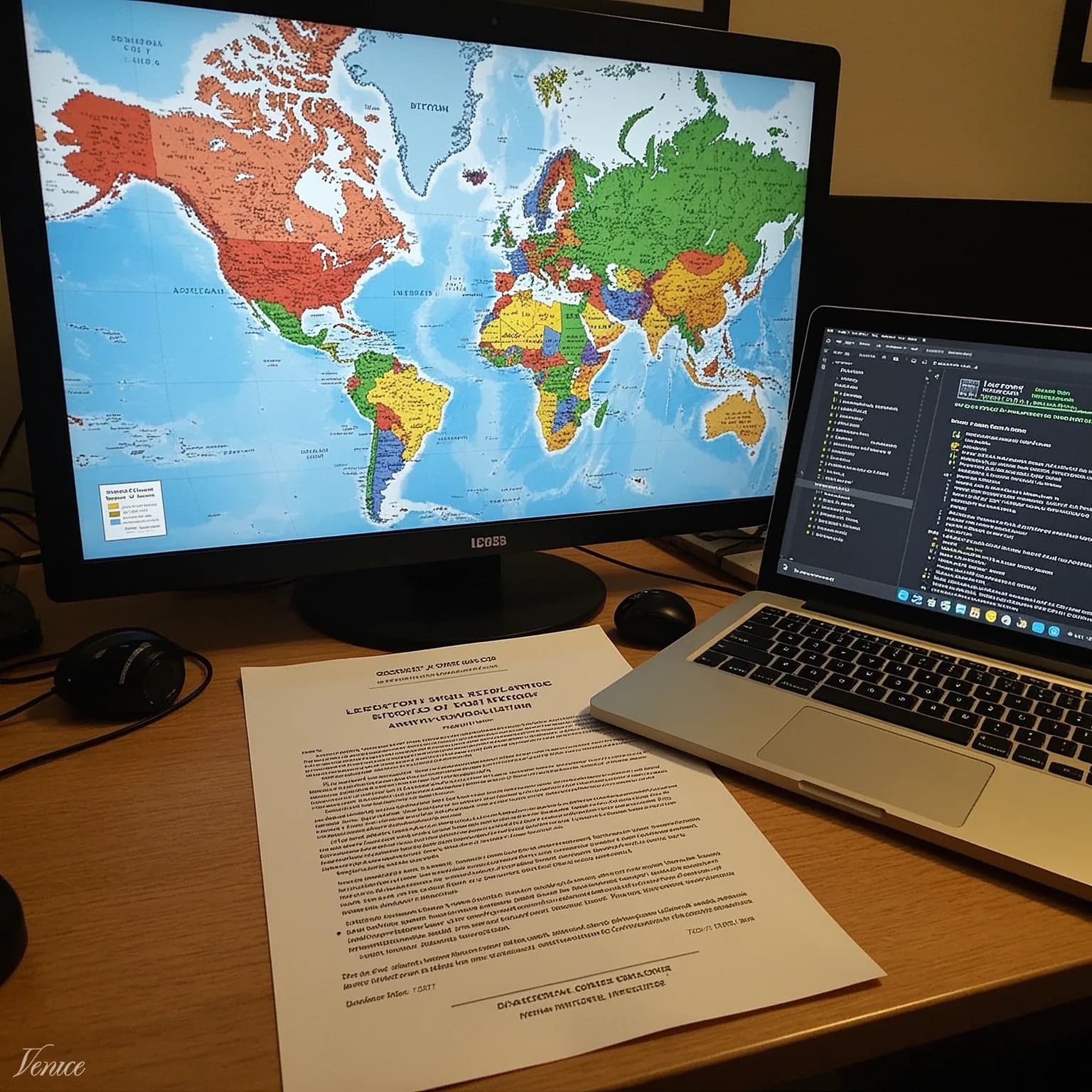
A comprehensive new map has been released, detailing how 140 countries around the world legally treat Bitcoin. The map, available at The Bitcoin Act, categorizes each country's stance on Bitcoin, ranging from full legalization to complete bans. This resource is invaluable for crypto users and businesses operating across borders.
What the Map Reveals
The map uses a color-coded system to show the legal status of Bitcoin in each country: - Green: Bitcoin is legal and recognized as a form of money or asset. - Yellow: Bitcoin is legal but subject to restrictions or regulations. - Red: Bitcoin is illegal or banned.
For example, countries like El Salvador have fully legalized Bitcoin, while China has banned it entirely. The United States falls into the yellow category, with Bitcoin legal but subject to varying state and federal regulations.
Why This Matters for Crypto Users
Understanding the legal landscape of Bitcoin is crucial for several reasons: - Compliance: Users and businesses must comply with local laws to avoid legal trouble. - Investment: Knowing where Bitcoin is legal can inform investment decisions and strategies. - Travel: Crypto users traveling internationally need to be aware of the legal status of Bitcoin in their destination countries.
What to Watch Next
The legal status of Bitcoin is continually evolving. Here are some key developments to watch: - Regulatory Changes: Keep an eye on countries that are considering new regulations or bans. - Global Trends: Observe how major economies like the U.S. and the EU are shaping their Bitcoin policies. - Legal Precedents: Pay attention to court cases and legal rulings that could set new precedents.
This map is a starting point, but it's essential to stay updated on the latest developments in your country and any countries you plan to do business with.
How This Fits the Wider Pattern
The release of this map comes at a time when global Bitcoin regulations are becoming increasingly complex. In recent years, we've seen a mix of countries embracing Bitcoin, such as El Salvador, and others imposing strict bans, like China. This patchwork of regulations reflects the broader uncertainty and varying attitudes towards cryptocurrencies worldwide. For everyday users, this means staying informed and adaptable is more important than ever.
Frequently asked questions
Is Bitcoin legal in my country?
Check the interactive map at The Bitcoin Act to see the legal status of Bitcoin in your country.
What should I do if Bitcoin is banned in my country?
If Bitcoin is banned, consider using alternative cryptocurrencies or consulting with a legal expert to understand your options.
How often is the map updated?
The map is regularly updated to reflect the latest changes in Bitcoin regulations around the world.
Can I use Bitcoin in countries where it is restricted?
Using Bitcoin in countries with restrictions may be possible but could come with legal risks. Always comply with local laws.