Crypto Bulls on Firmer Footing as U.S. Rate-Hike Risk Recedes
Crypto markets ended the week stronger after weak U.S. jobs data lowered the chances of a Federal Reserve interest rate hike. Uniswap also gained following a partnership with Robinhood.
All crypto stories, newest first. 1522 stories curated by CryptoCatalyst.

Crypto markets ended the week stronger after weak U.S. jobs data lowered the chances of a Federal Reserve interest rate hike. Uniswap also gained following a partnership with Robinhood.

XRP has surged 8% as a key metric shows investors are at record losses, which some traders see as a buying opportunity. The token's 30-day and 365-day MVRV sit near -45% and -47%, lows Santiment says XRP has never reached before, suggesting a favorable risk-reward scenario for buyers.

A Labour MP has accused Nigel Farage of lobbying the Bank of England for policies that could benefit his largest donor, a major investor in Tether. This raises concerns about potential conflicts of interest in crypto regulation.

Bitcoin’s current surge was fueled by $697 billion in new capital, delivering a 689% gain. Future parabolic runs may need even more investment, potentially up to $1 trillion, to match past explosive growth.

Revolut will delist Tether (USDT) by the end of August, converting remaining holdings to users' base currency. This move follows growing regulatory scrutiny and risk concerns around stablecoins.

The UK's Financial Conduct Authority (FCA) has introduced a new crypto framework designed to enhance global liquidity and attract institutional investors. However, the rigorous authorization process is expected to be daunting and could slow down the rollout, posing significant hurdles for crypto firms.

1. OVERNIGHT MOVES

The EU's MiCA crypto regulations are now fully in effect, but lawyers and industry executives expect uneven enforcement. Unauthorized crypto companies must wind down operations, but regulators may apply rules inconsistently.

A7A5 claims crypto data providers understate its trading activity, while blockchain analytics firms say the ruble-backed token's volumes have fallen sharply this year. The discrepancy highlights ongoing tensions between sanctioned entities and independent data providers.

The Ethereum Foundation argues that Ethereum's decentralized nature makes it ideal for governments and institutions seeking neutral digital infrastructure. This comes as global shifts increase demand for systems not controlled by any single entity. The Foundation highlights Ethereum's public, programmable network as a solution to these needs.

A key Bitcoin supply metric has printed its first 'buy' signal since November 2022, hinting that the 2026 bear market may be nearing its end. However, analysts warn that BTC prices could still drop further before any recovery.

Moody’s says President Trump’s new quantum computing executive orders highlight an urgent need for Bitcoin and the broader digital asset industry to adopt quantum-resistant cryptography.

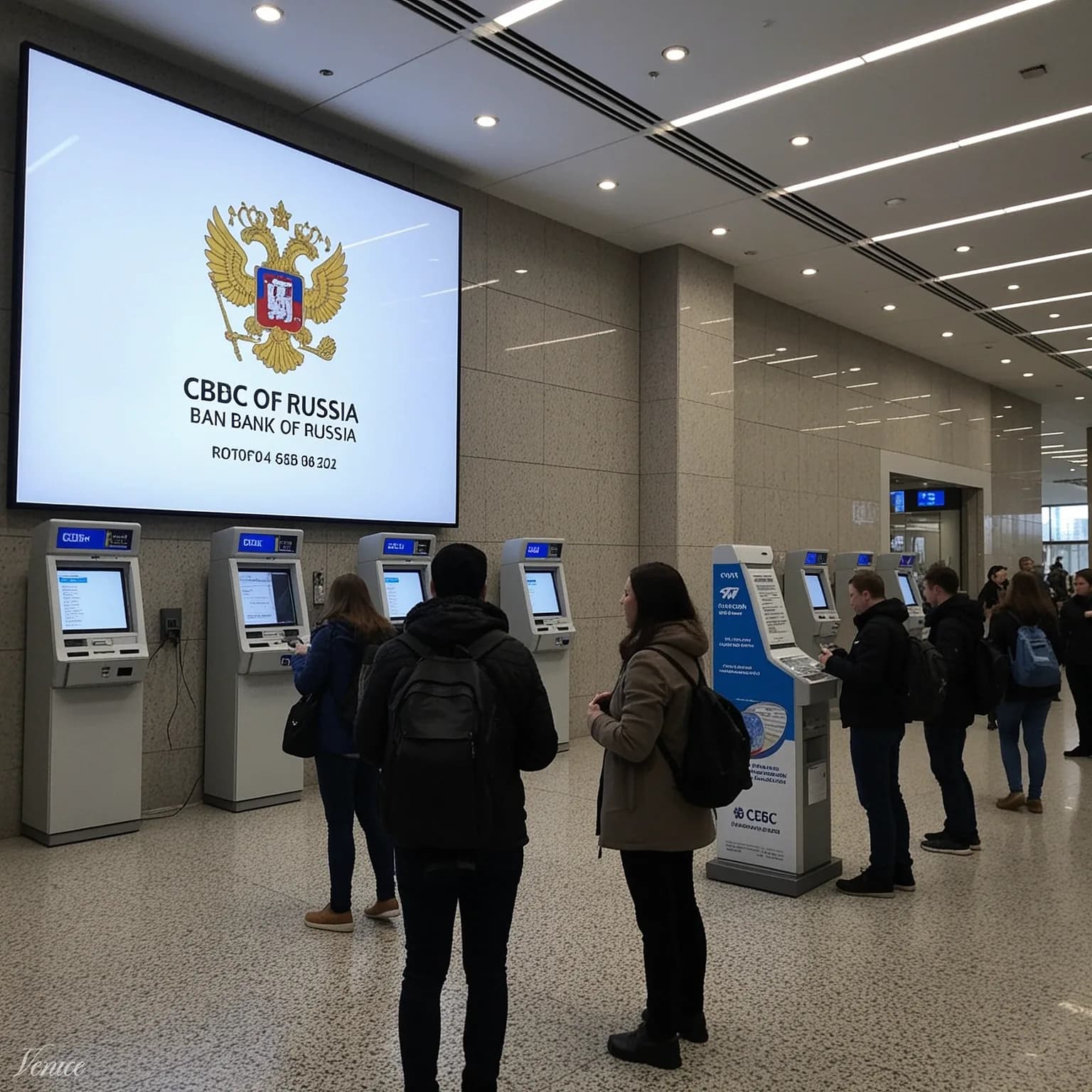
The Bank of Russia plans to launch its digital ruble for widespread use by September 1, with major banks and retailers already preparing to accept it. This marks a significant step in Russia's push toward a state-backed digital currency.

Senator Kirsten Gillibrand wants to prevent U.S. politicians from creating their own cryptocurrencies. The proposed restriction would apply to Congress members, the president, and their spouses.

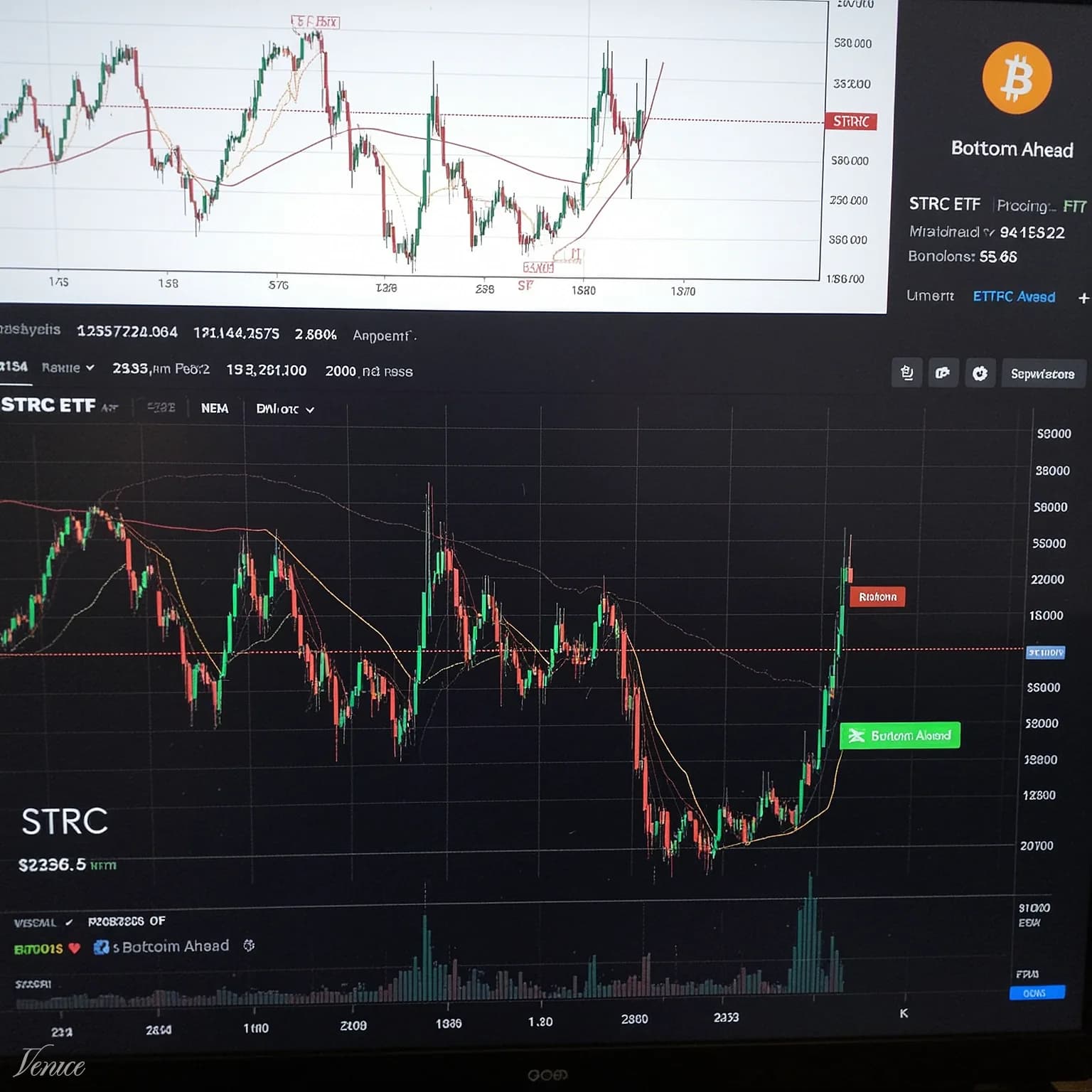
Bitwise argues that the recent volatility in STRC, a Bitcoin Strategy ETF from Strategy (formerly MicroStrategy), reflects a late-cycle leverage unwind, not a failure of the firm's bitcoin strategy. The firm believes institutions are poised to replace Strategy as the biggest buyers of bitcoin.

Securitize has issued tokenized versions of its shares on Solana and Avalanche, marking the first time a newly public company has done so on its debut.

eToro is investing in Extended, an onchain derivatives platform, to bring perpetual futures to its Zengo wallet and expand DeFi products. This move comes as traditional brokers like Robinhood also push into decentralized finance.

Bitcoin surged to a two-week high, fueled by a short squeeze that cost bearish traders $281 million. Ether and Solana also climbed, with gains of nearly 10% and 19% respectively this week, as tech stocks rebounded.

Binance's Europe head Gillian Lynch says the company met Greece's licensing requirements and remains committed to the EU, despite withdrawing its MiCA application days before the July 1 deadline. Lynch argues that MiCA's success should be measured by the entities it licenses, not those it excludes.

The IMF says tokenization could make financial transactions faster and cheaper, but it also makes the system more vulnerable to sudden shocks. This could impact everything from banking to investments.

The U.S. Treasury has sanctioned over 130 Tron wallets tied to an ISIS affiliate, with Tether freezing the funds. This marks one of the largest crypto-related sanctions actions to date.

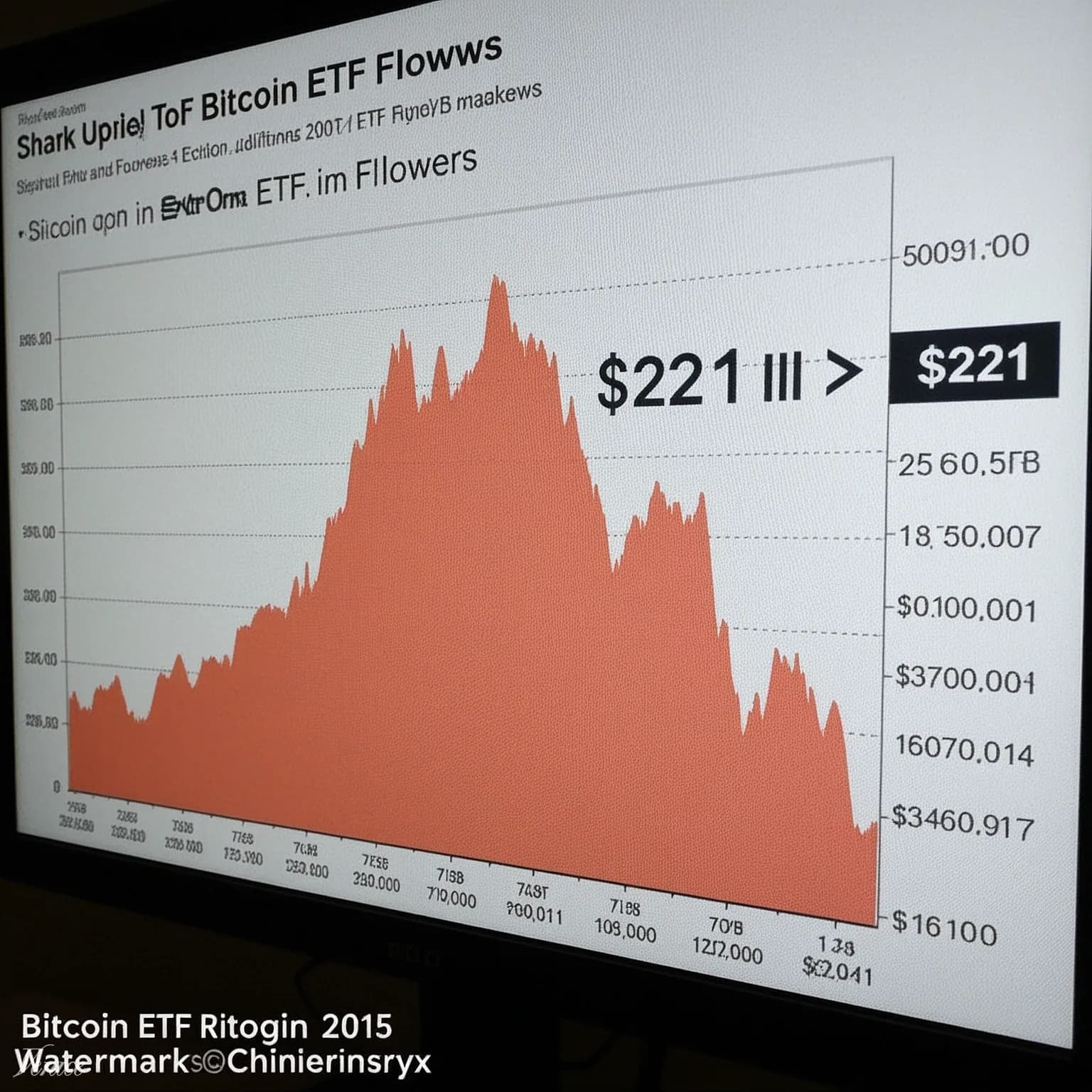
Spot Bitcoin ETFs had their strongest inflow day in two months, with $221 million flowing in, breaking a 10-day streak of outflows. The surge was driven by funds other than BlackRock’s IBIT, marking a significant shift in investor sentiment.

While U.S. institutional demand for Bitcoin had its worst month ever in June, large holders bought $16.7 billion worth in just two weeks. This divergence has historically signaled potential market bottoms.

1. OVERNIGHT MOVES