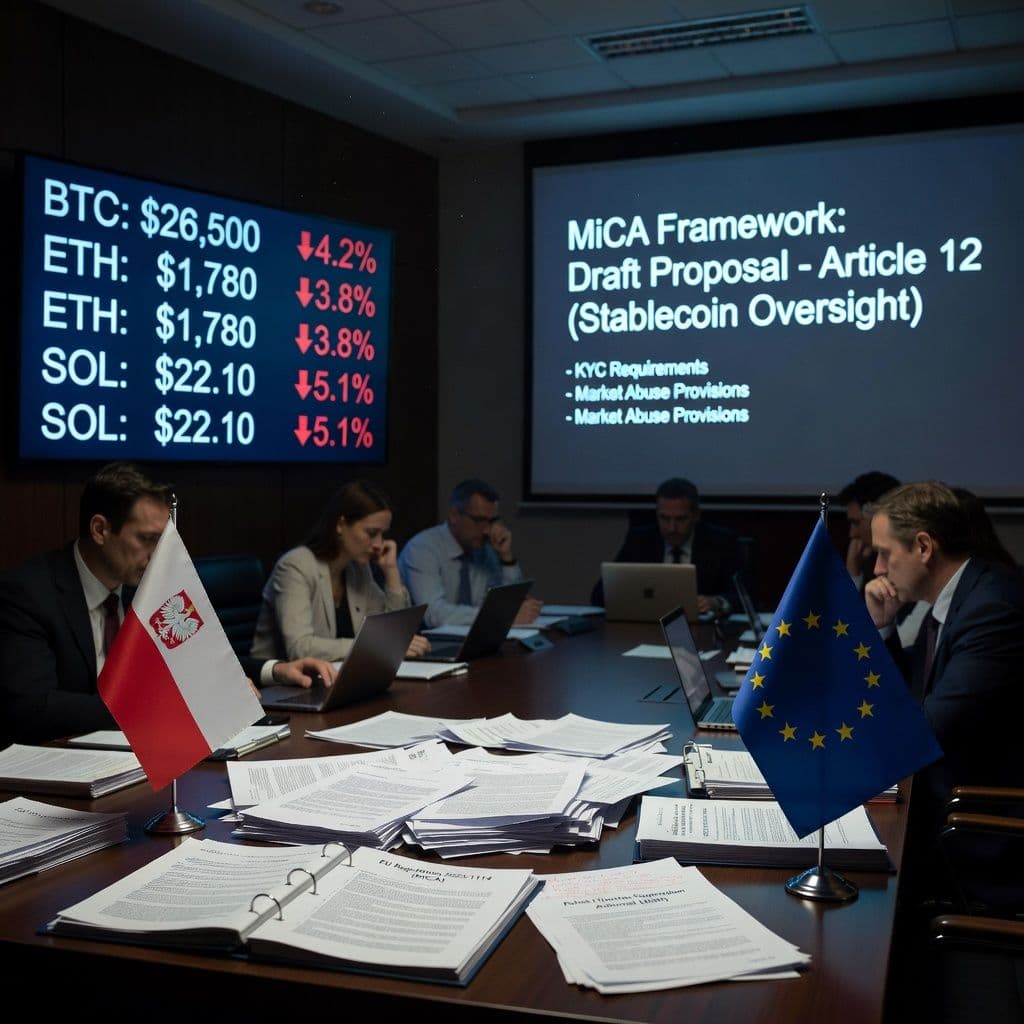
EU Seeks Input on Stablecoins and DeFi in MiCA 2.0
The European Commission is seeking public comment on potential revisions to its crypto regulatory framework, specifically regarding stablecoins and decentralized finance.
67 stories about MICA from across the crypto press, curated and summarized daily. Most recent: Oct 22, 2026.

The European Commission is seeking public comment on potential revisions to its crypto regulatory framework, specifically regarding stablecoins and decentralized finance.

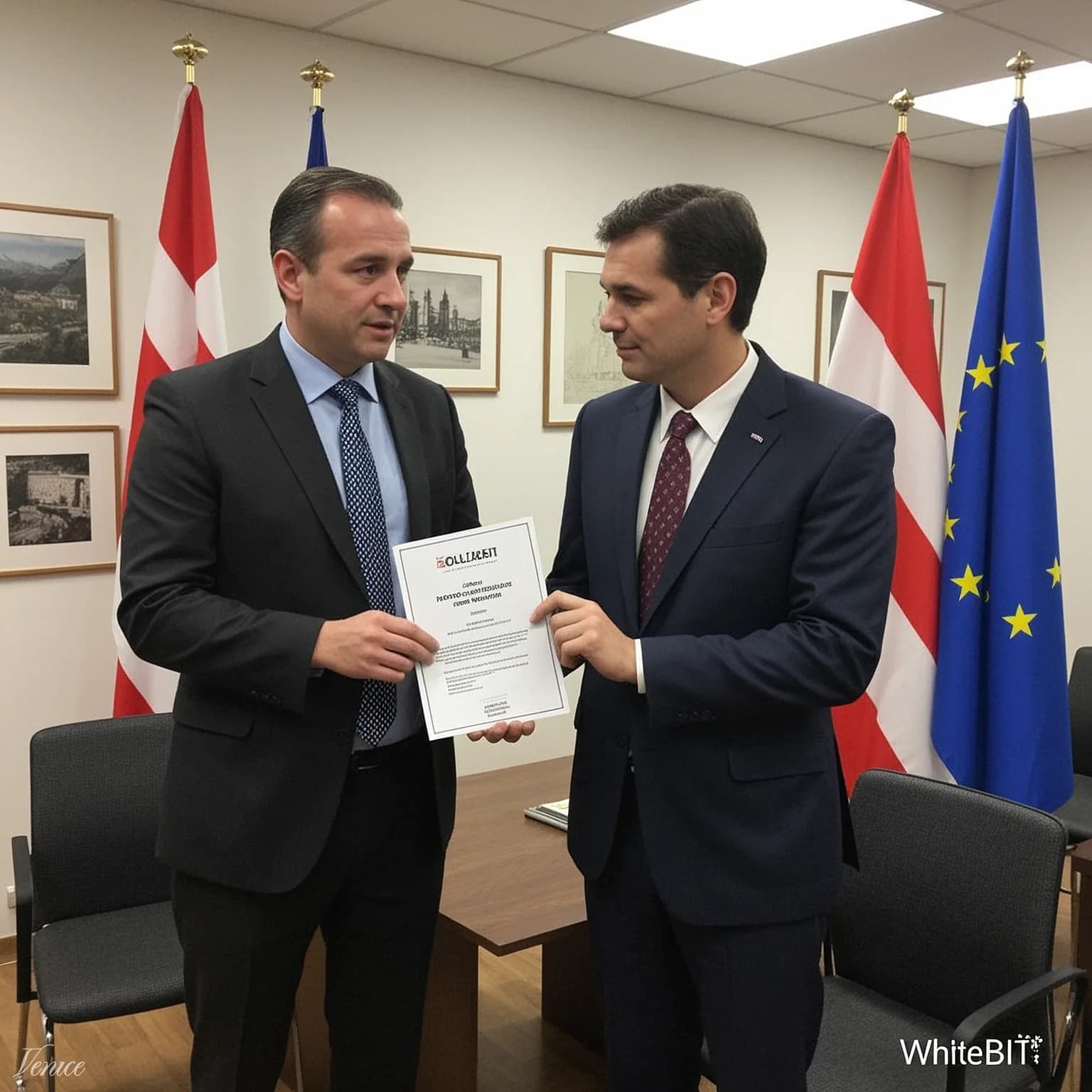
WhiteBIT, a major European crypto exchange, has obtained a MiCA license in Austria, allowing it to operate across the EU. This comes just before the July 1 deadline when unlicensed exchanges must stop serving EU clients.

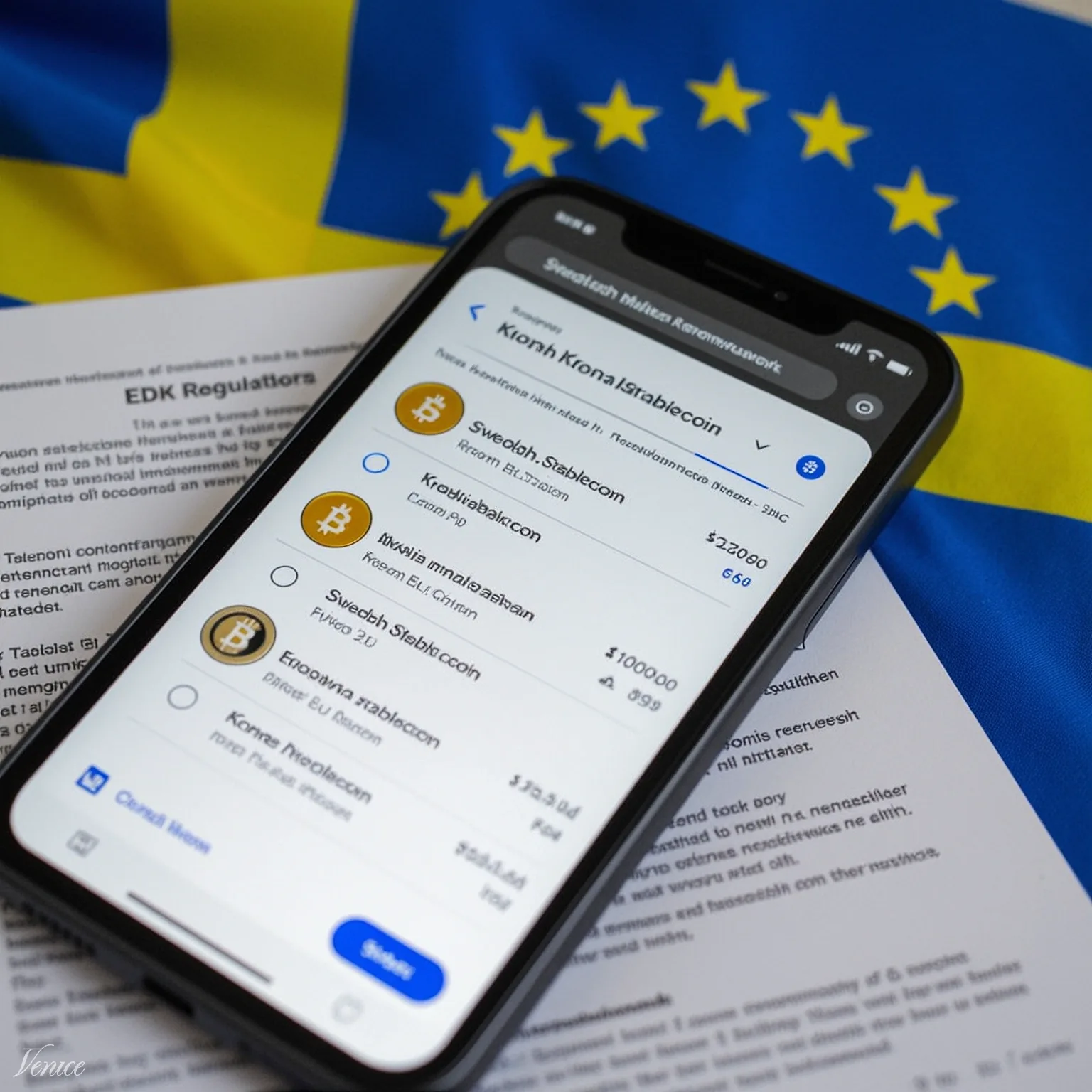
AllUnity has introduced SEKAU, a stablecoin fully backed by the Swedish krona, operating under the EU's MiCA framework. This move expands the company's stablecoin offerings and supports multi-chain transactions.

Malta's regulator is seeking feedback on a legal framework for decentralized finance (DeFi) and decentralized autonomous organizations (DAOs), arguing that many DeFi projects are not fully decentralized. This move aims to bring more clarity to the rapidly evolving DeFi space under the MiCA (Markets in Crypto-Assets) regulations.

As the MiCA grace period closes, only a fraction of registered firms hold full licenses, setting up the prospect of a wave of consolidation.

Malta's financial regulator is exploring whether parts of decentralized finance (DeFi) should fall under the EU's MiCA regulations. The MFSA is seeking feedback on how to assess decentralization, treating it as a spectrum rather than a binary concept.

Binance could be forced to exit the European Union after Greece is expected to reject its application for a MiCA license. This decision could impact millions of EU-based crypto users who rely on the platform.

Polish President Karol Nawrocki has vetoed a bill to implement the EU's MiCA framework for the third time. The move comes just weeks before the end of the transitional period for the EU's crypto regulations.

A key architect of the EU's MiCA framework argues that regulating decentralized finance (DeFi) should not be a priority. Instead, the focus should be on tokenization, which is transforming traditional finance. The European Commission is currently gathering feedback on the future of MiCA, which governs crypto markets in the EU.

Ledger's CTO warns that the EU's MiCA regulations are imposing steep compliance costs, stifling innovation for small crypto startups. The financial barriers are making it difficult for early-stage companies to survive in Europe's crypto market.
Crypto companies without MiCA authorization must stop serving EU clients from July 1, even if their license applications are still under review. This marks the end of the grace period for compliance with the EU's Markets in Crypto-Assets Regulation.

UniCredit warns that Europe's deposit insurance may not be enough to cover stress from large stablecoin reserve accounts. Unlike the U.S., Europe's protection under MiCA rules is more limited.

Banca Sella is the first Italian bank to receive EU authorization for bitcoin and crypto services under the MiCA regulation. This milestone marks a significant step for crypto adoption in traditional banking.

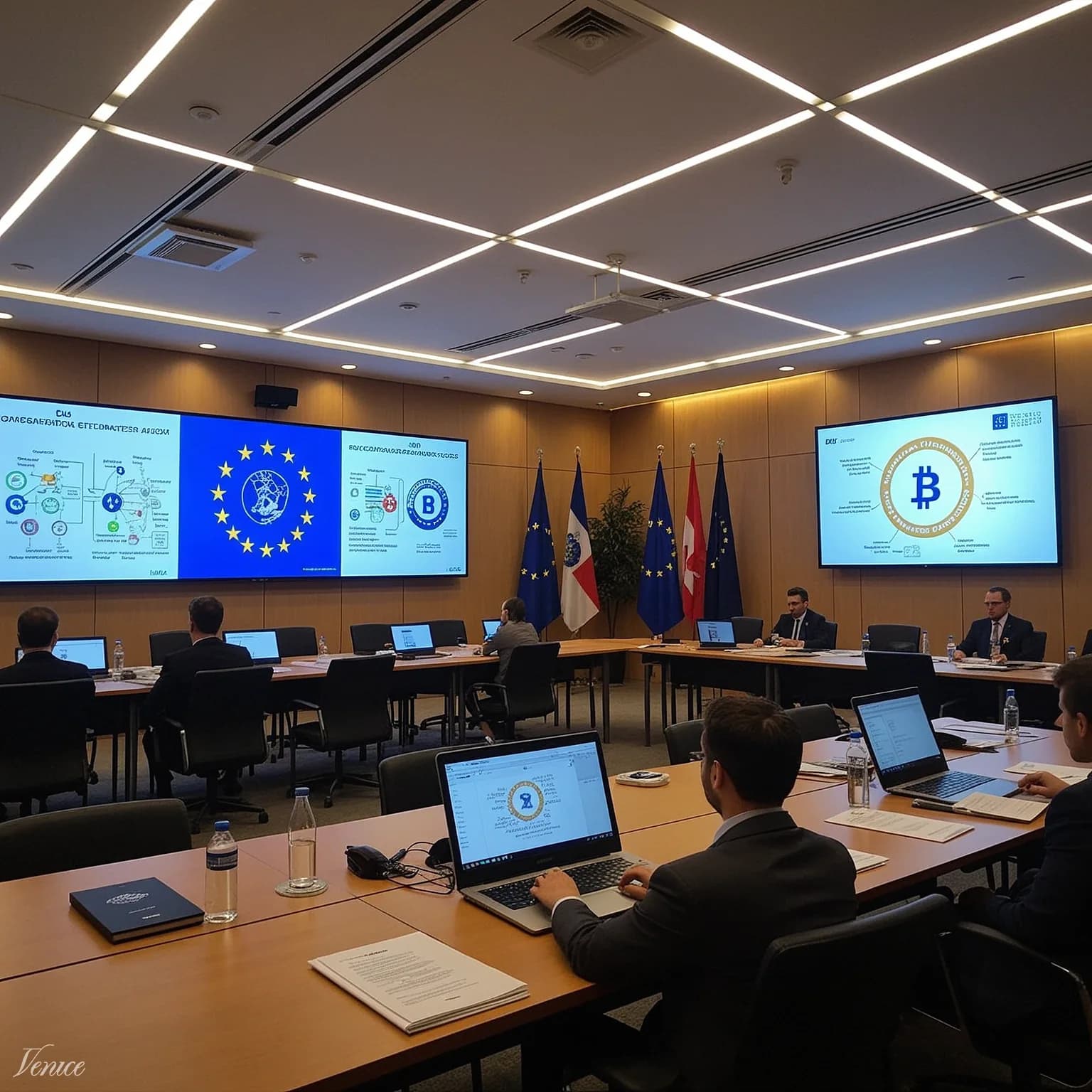
The European Commission is reviewing its crypto regulations under MiCA and wants public input by August 31. This could lead to updates affecting how crypto is used and regulated in Europe.

The European Commission is asking for public input on whether its crypto regulations, known as MiCA, still work as markets and global policies change. This review could lead to updates affecting how crypto is used and regulated in the EU.

Zerohash Europe is the first company to obtain both a MiCA license and full EMI status, allowing it to offer stablecoin and brokerage services across the EU. This milestone could set a precedent for other crypto firms operating in Europe.

Poland has passed a crypto bill to comply with the EU's MiCA regulations, while a fraud investigation involving a major exchange is deepening political divisions. This move aims to clarify crypto regulations and protect investors, but the scandal could slow adoption.

B2C2 has obtained a MiCA license in Luxembourg, allowing it to offer over-the-counter (OTC) spot trading services across all EU member states and three EEA countries. This marks a significant step in the institutional adoption of crypto in Europe.

Paybis has become the first company in Latvia to hold both a MiCA crypto license and a PSD2 payment institution license simultaneously. This dual licensing positions the exchange for broader EU market access.