Polymarket Hack Losses Rise to $3.1M as Refunds Promised
Polymarket has updated its hack losses to $3.1 million. The platform is also facing investigations over potential false or deceptive marketing practices. Users are awaiting promised refunds.
41 stories about Hack from across the crypto press, curated and summarized daily. Most recent: Sep 7, 2026.

Polymarket has updated its hack losses to $3.1 million. The platform is also facing investigations over potential false or deceptive marketing practices. Users are awaiting promised refunds.

Polymarket will reimburse users after hackers stole millions through a compromised third-party vendor. The platform is working to enhance security measures to prevent future attacks.

SecondFi suffered a $2.4 million loss due to three attacks exploiting a flaw in its wallet software. The team managed to secure 129 million ADA before further damage could occur.

A notorious crypto trading bot known for front-running was tricked and drained of $7.5 million. The bot, named 'JaredFromSubway,' was exploited by an unknown attacker who manipulated the bot's trading logic. This incident highlights the vulnerabilities in automated trading systems and the importance of security in crypto transactions.

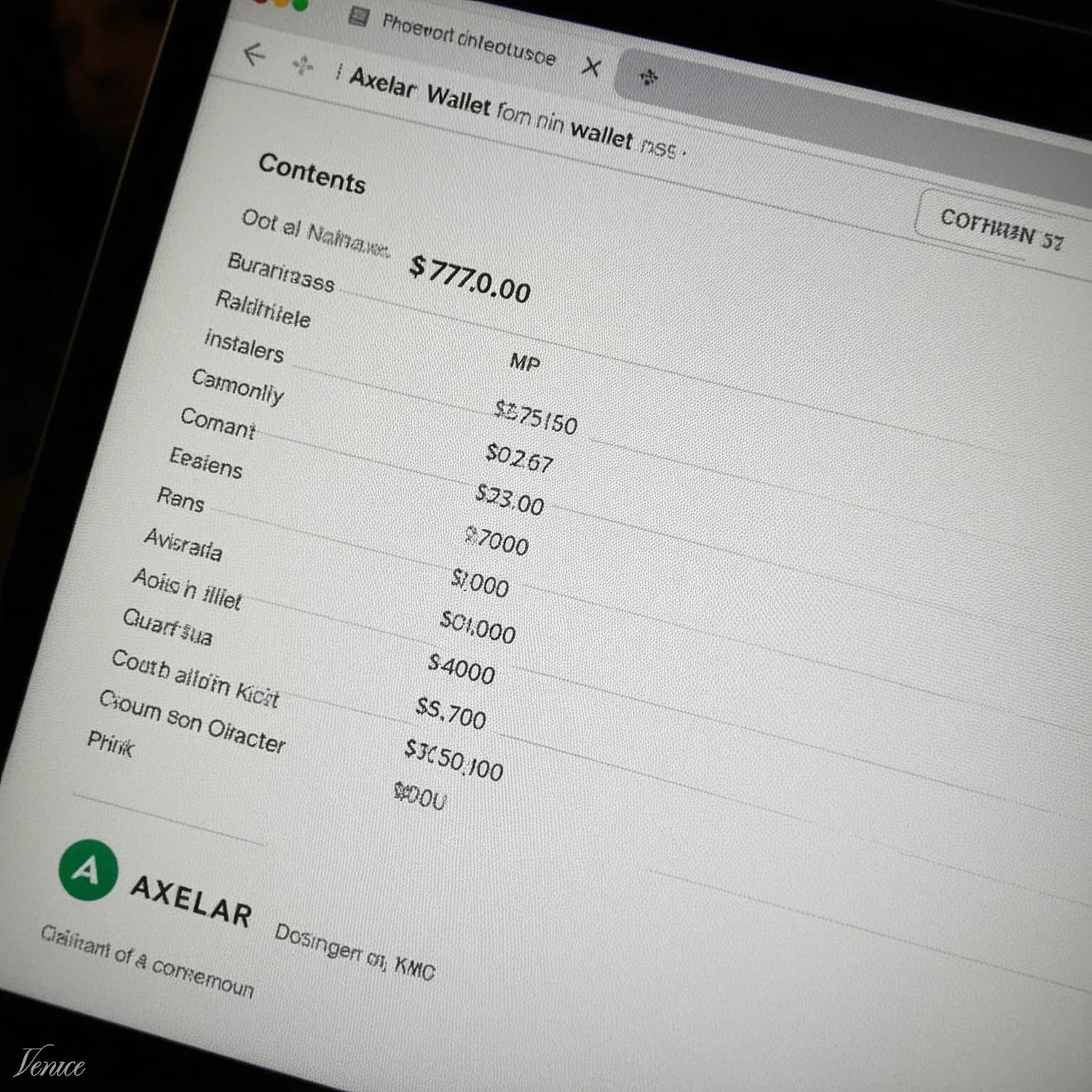
Secret Network lost $4.67 million in an infinite-mint exploit on the Axelar bridge, which went undetected for seven days. The attacker still holds about $770,000 in an Axelar wallet, which Axelar declined to freeze.

A $36 million hack on Humanity Protocol may involve North Korean hackers, according to security firm Quantstamp. The attack used a fake Bithumb email to execute the theft.

Humanity Protocol suffered a $36 million hack after an employee's laptop was compromised, allowing attackers to seize control of bridges and mint tokens at will. The protocol's token (HMT) crashed 73% following the breach.
Radiant Capital is shutting down after failing to recover funds from a roughly $50 million hack in 2024. The company couldn't raise new capital or recover a meaningful amount of the stolen assets.

The Kelp DAO hacker has laundered nearly all of the remaining stolen funds, making recovery unlikely. Only $71 million, frozen by Arbitrum’s Security Council, remains from the original $293 million exploit.

An attacker drained $5.4 million from the Cosmos-based Gravity Bridge, stealing USDC, ether, tether, and PAYG tokens. The funds were partially laundered through ChangeNow and Binance, according to researchers.

StablR has frozen its USDR and EURR stablecoins after an attacker exploited a security flaw to create $13.5 million in unbacked tokens, stealing $2.8 million. The breach was linked to a weakness in a 1-of-3 multisig wallet.

DeFi platform HawkFi.ag suffered a $3.2 million exploit. The team has promised full transparency and is working on a recovery plan. This is the latest in a series of high-profile DeFi hacks this year.

A hacker who exploited the Verus bridge returned 75% of the stolen funds, totaling $8.5 million, after the protocol offered a bounty. This recovery deal highlights how some hackers negotiate with projects to return stolen assets.

THORChain, a decentralized exchange, suffered a major exploit affecting Bitcoin, Ethereum, and Binance Smart Chain. Hackers stole over $10 million, highlighting security vulnerabilities in cross-chain transactions.

The KelpDAO hack, totaling $293 million, highlights a shift in DeFi security challenges from coding bugs to managing complexity. This incident underscores the need for more robust security measures as DeFi protocols mature.

A judge has permitted Aave to move $71 million in ETH stolen by North Korean hackers, but the funds remain legally frozen. This case highlights the challenges of recovering crypto stolen by state-sponsored actors.

A hacker exploited a security flaw to drain $116,500 worth of crypto, triggering a massive liquidity crisis. This event highlights the risks of complex crypto systems and how quickly things can go wrong.