DePIN and crypto gaming led a surprising end-of-year rebound
BTC finished the week up 1.6%, while L2s, RWAs and the treasury trade continued to grind lower. DePIN and crypto gaming sectors showed strong rebounds.
Wallets, DAOs, identity, gaming, and the broader decentralized-web stack. 63 stories curated by CryptoCatalyst.

BTC finished the week up 1.6%, while L2s, RWAs and the treasury trade continued to grind lower. DePIN and crypto gaming sectors showed strong rebounds.

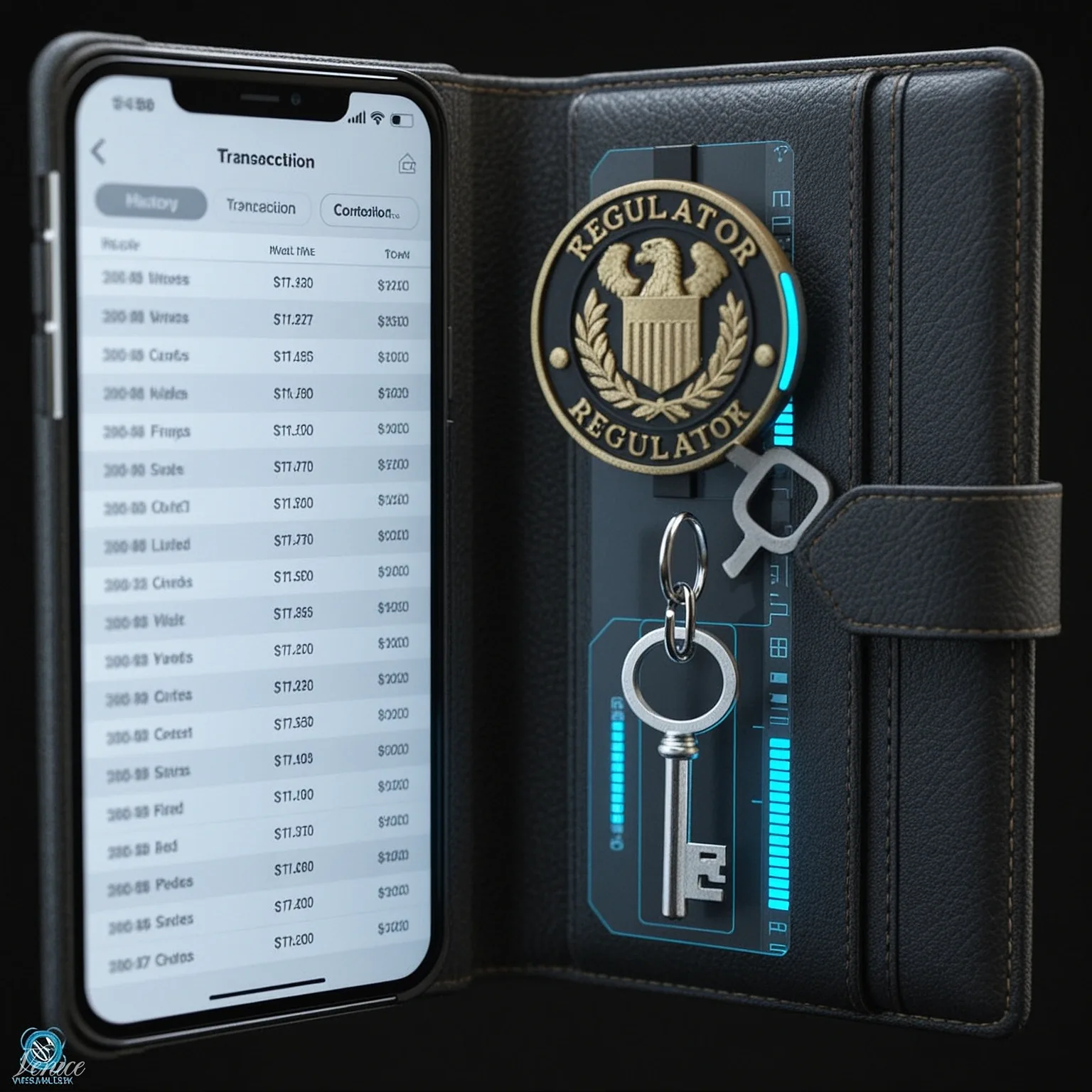
Starknet has introduced STRK20, a privacy feature for ERC20 tokens that allows users to hide their balances and transfers. The system includes tools for regulators to access information when needed, balancing privacy with compliance.

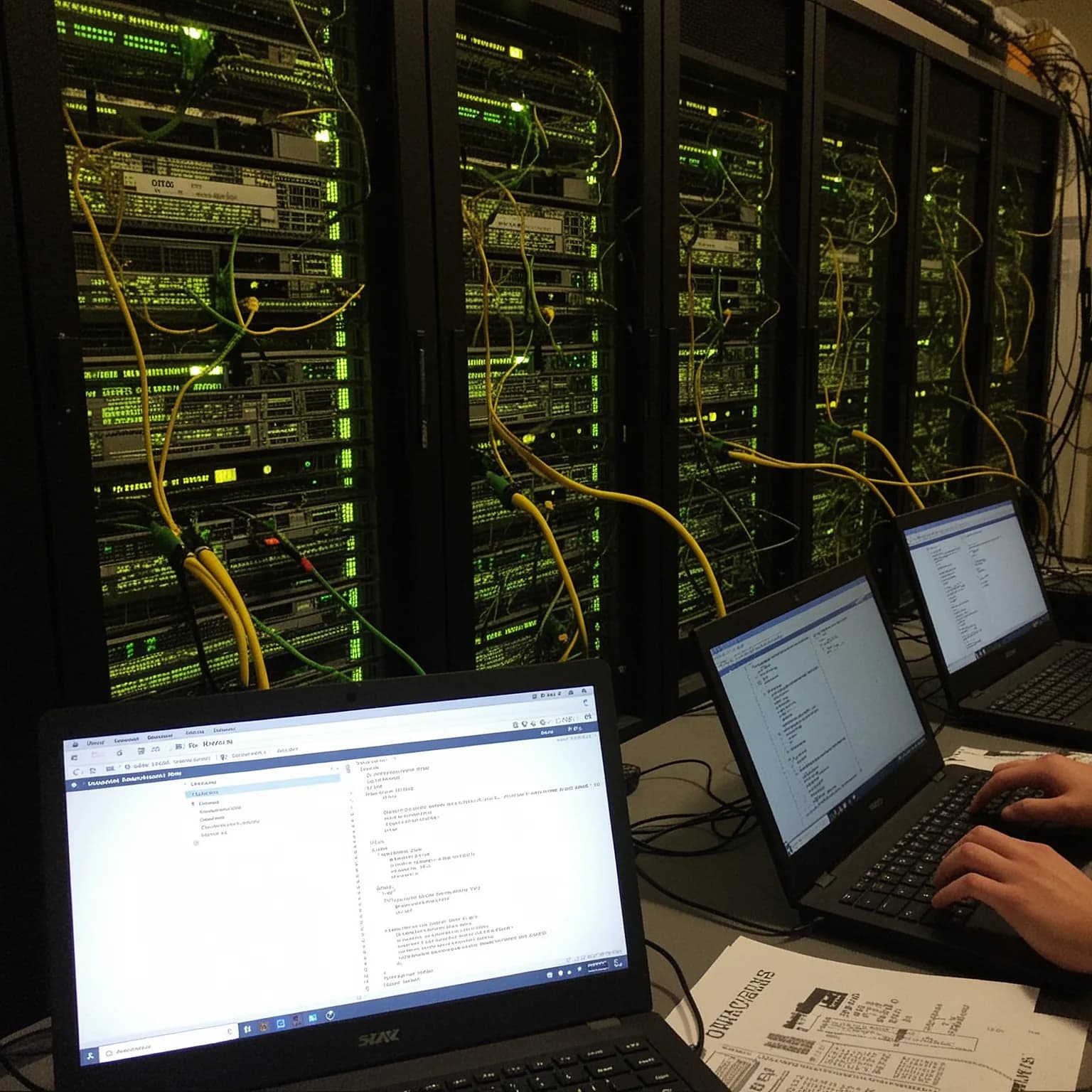
Humanity Protocol suffered a $36 million hack after an employee's laptop was compromised, allowing attackers to seize control of bridges and mint tokens at will. The protocol's token (HMT) crashed 73% following the breach.

Consensys-backed MetaMask is rolling out a non-custodial wallet for AI agents for general availability this summer.

MetaMask has introduced a new self-custodial wallet designed for AI agents to trade across DeFi while keeping users in full control of their funds and approvals. This innovation aims to make decentralized finance more accessible and secure.

Base, a blockchain platform, has introduced new tools to make it easier for developers to build and deploy applications. This move aims to attract more creators to its ecosystem by simplifying the development process.

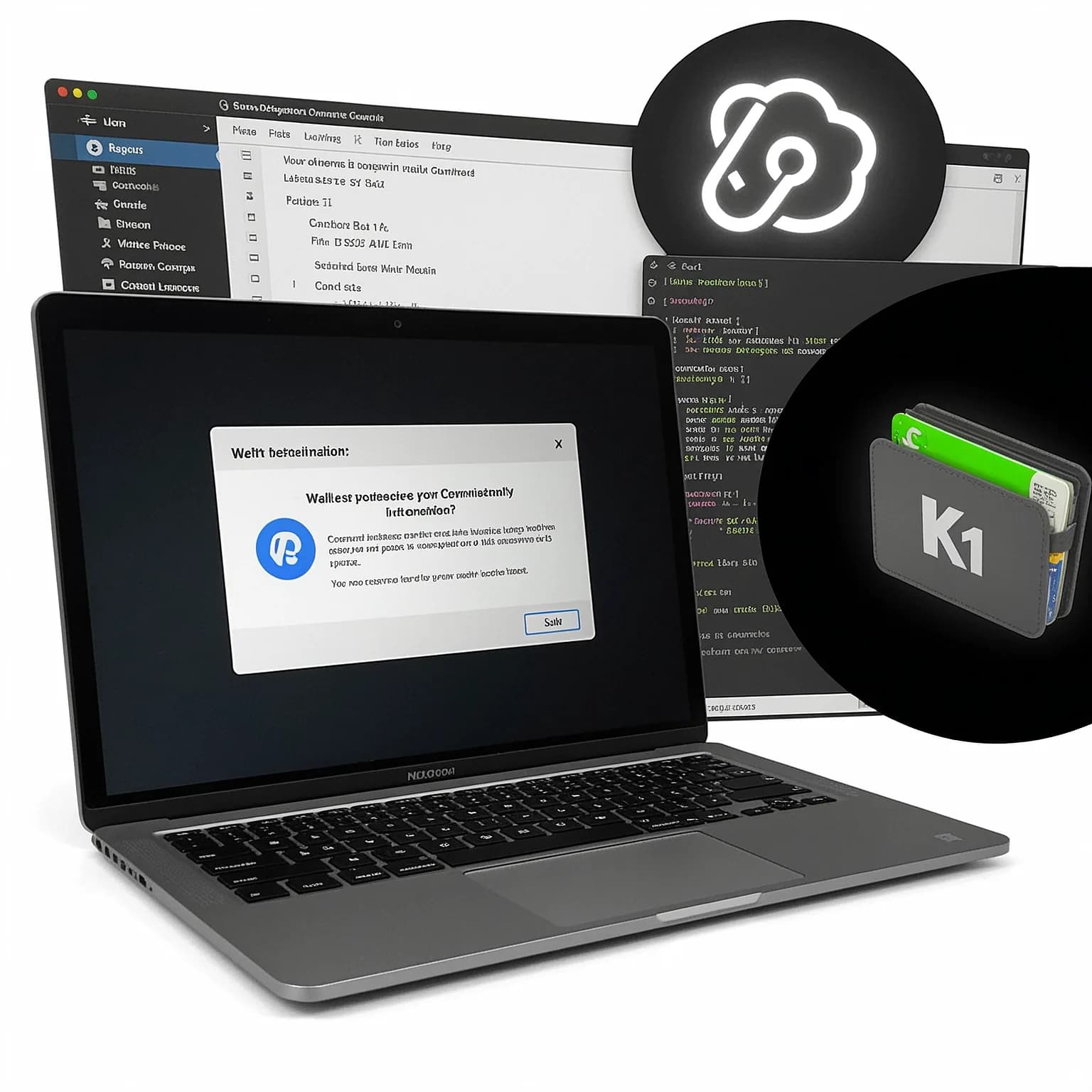
A new malware campaign is stealing crypto wallet data, developer credentials, and browser information from developers. The attack uses fake software packages to target users of Solana, Sui, and Aptos ecosystems. Developers are being urged to verify the authenticity of their tools to protect their assets.

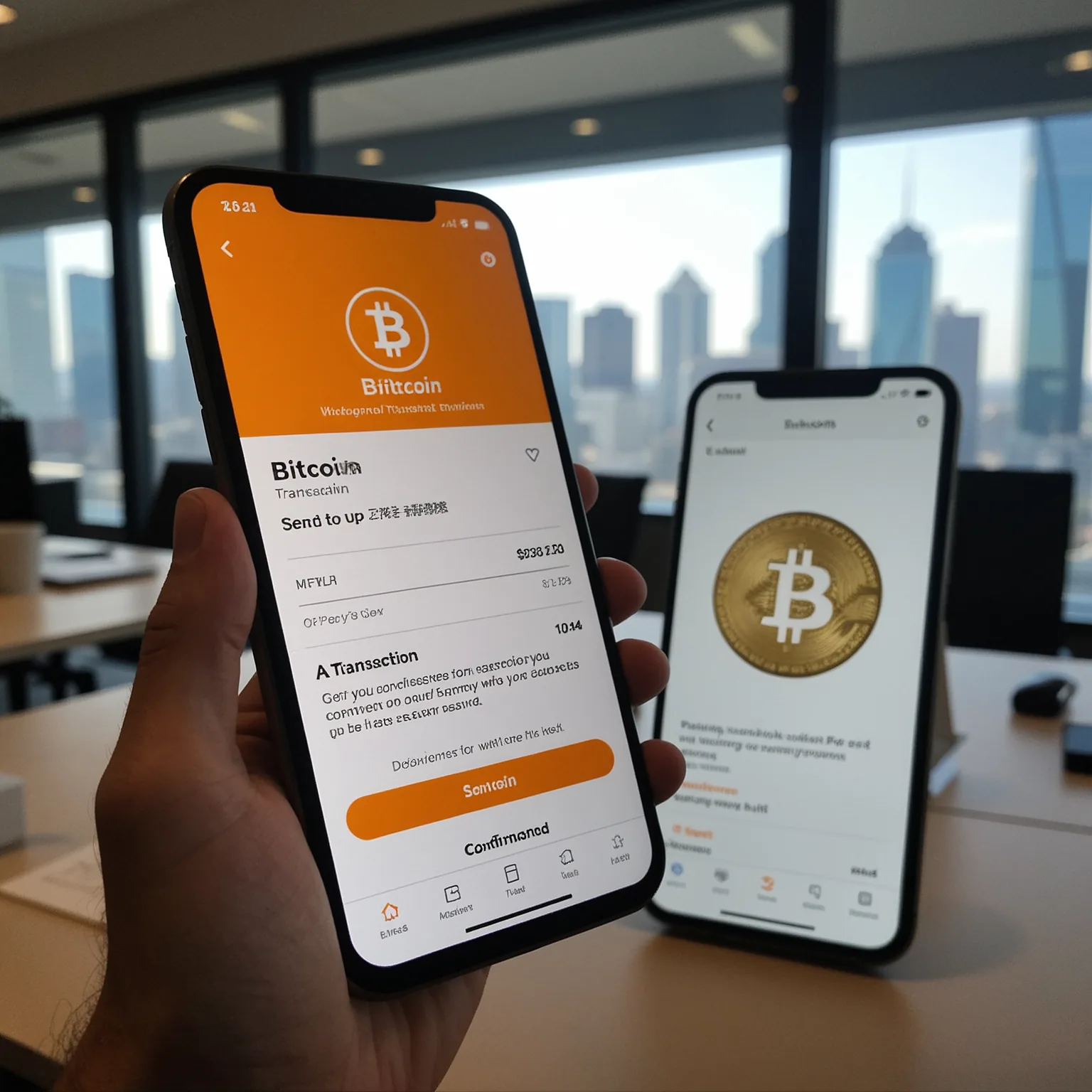
The Ethereum Name Service (ENS) now supports Bitcoin addresses, allowing users to send and receive BTC using human-readable names. This integration bridges the gap between Ethereum and Bitcoin networks, making crypto transactions more user-friendly.

Theta and XYO have teamed up to create a blockchain-based system that verifies AI agent tasks. This partnership aims to ensure transparency and reliability in AI operations using cryptographic proofs.

A new malware campaign, TrapDoor, is stealing cryptocurrency from wallets across different blockchains. Users are advised to update their security measures and monitor their accounts for suspicious activity.

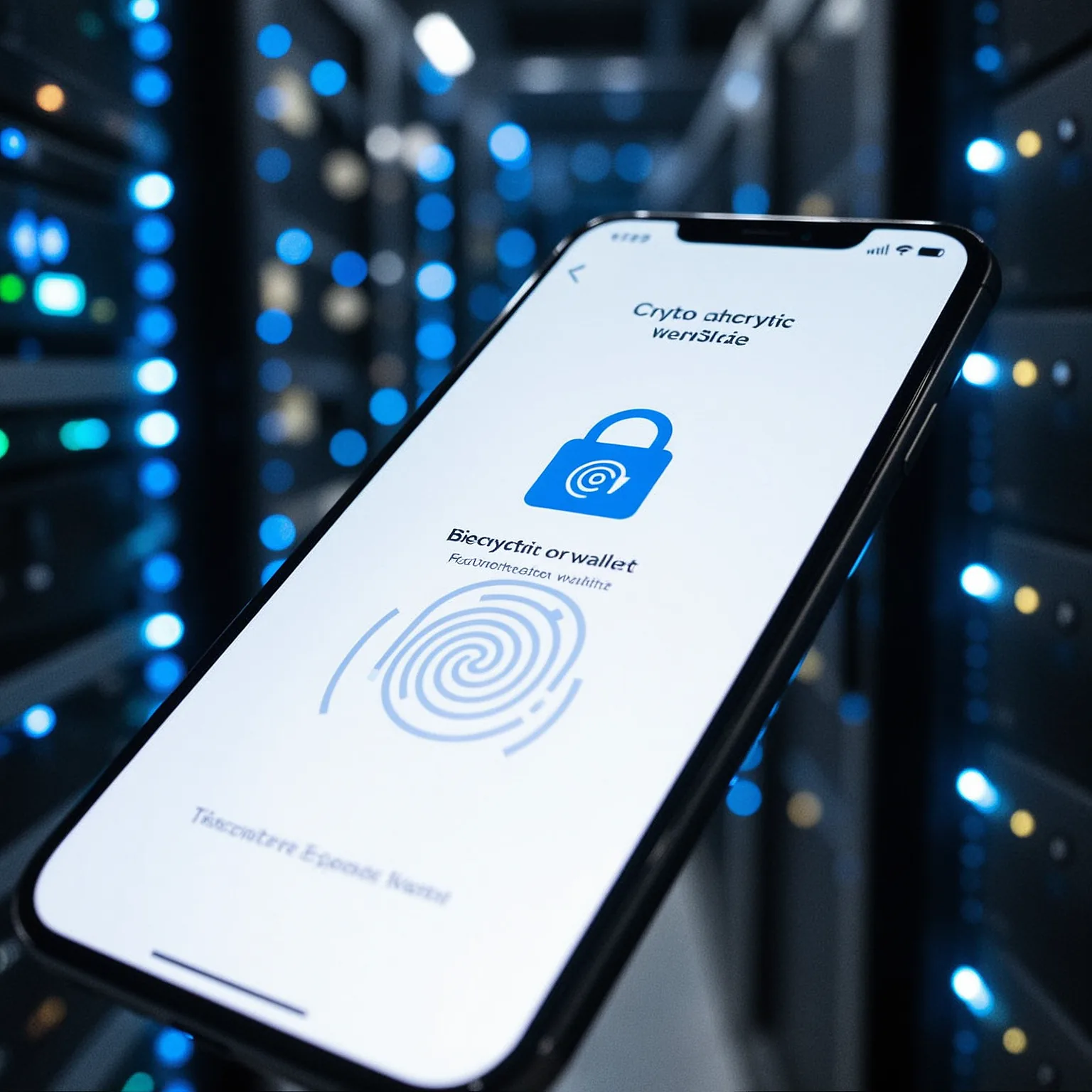
Blocmates has introduced a new crypto wallet designed for ease of use and strong security. The wallet includes multi-signature support and biometric authentication, aiming to protect users' assets more effectively.

Influence360 has launched a new platform for Web3 influencer marketing, focusing on trust, data, and global execution. The platform aims to provide real attribution for influencer campaigns, addressing a key challenge in the industry.

$VVV isn't just a token investment. It's a bet on the future of private AI compute infrastructure. This could change how we use AI in a decentralized way.

A popular cryptocurrency exchange has introduced a new wallet designed for beginners. This could make managing digital assets much simpler for new users.

Amazon has introduced a new AI wallet that allows AI agents to make payments for services. This could simplify transactions for everyday users and pave the way for more automated financial interactions in the future.