
defi
BitGo Joins Crypto's AI Layoff Wave, Slashing Staff by 15%
BitGo, a newly public crypto custodian, is slashing nearly 15% of its workforce as it pivots to focus on stablecoins and AI infrastructure.
via Decrypt#crypto#layoffs#stablecoins
Decentralized finance: lending, DEXs, stablecoins, yield, and liquidity. 353 stories curated by CryptoCatalyst.
BitGo, a newly public crypto custodian, is slashing nearly 15% of its workforce as it pivots to focus on stablecoins and AI infrastructure.

Kraken is considering a significant investment in Aave, valuing the decentralized finance (DeFi) platform at $385 million. This move highlights the growing interest of major crypto exchanges in DeFi projects.

Tether is allowing holders of its gold-backed token (XAUT) to borrow against their bullion without selling it, mirroring bitcoin-backed lending. The stablecoin issuer is leveraging its $23 billion gold reserve to extend its tokenized gold strategy, providing liquidity to investors while keeping their gold intact.

Aave and Solana ecosystem tokens are driving a crypto market rebound, with Bitcoin holding steady near $60,000. Aave's founder hinted at potential token buybacks under a new framework, adding to the positive momentum.
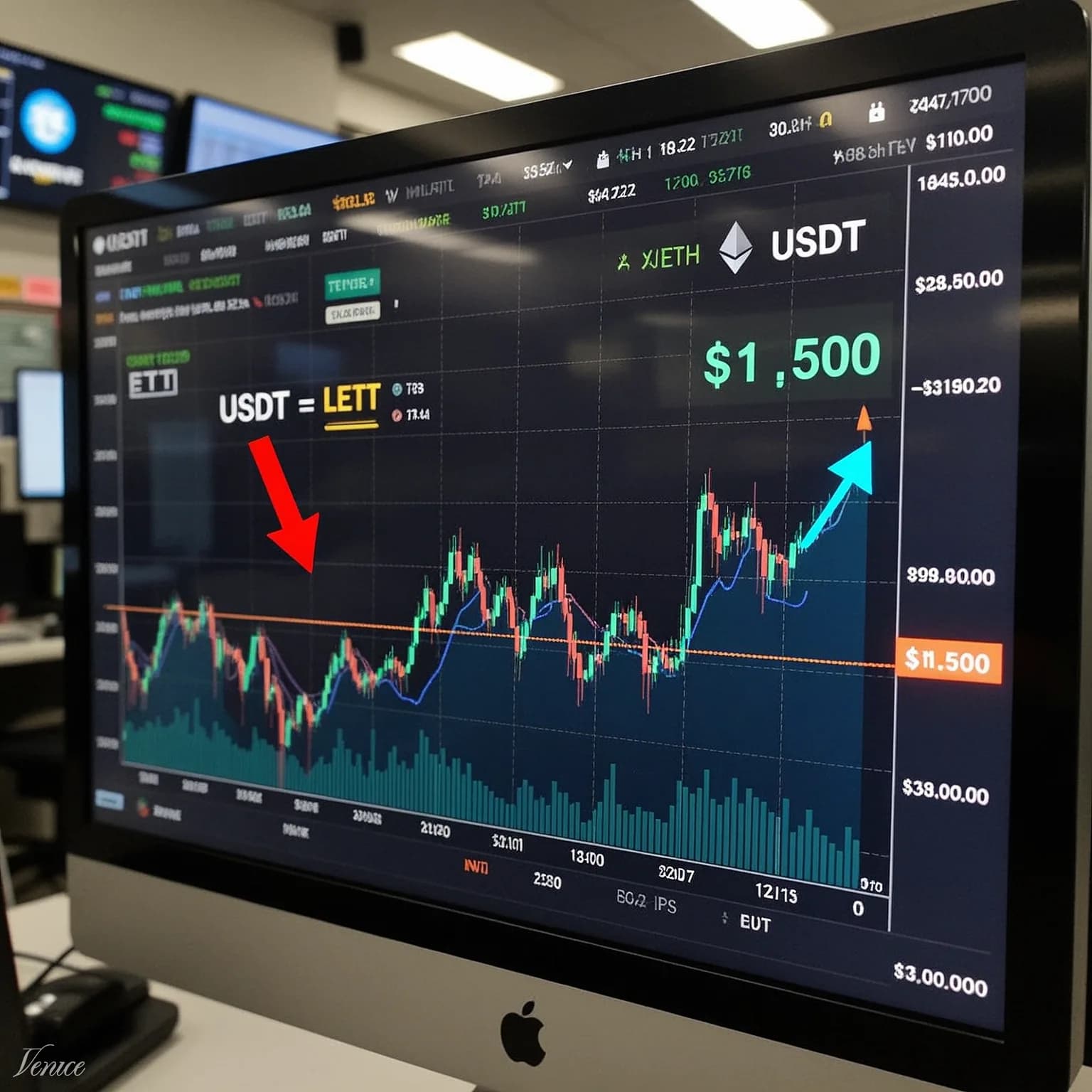
Tether's market cap has surpassed Ether's for the first time, as ETH prices fall to $1,500. This shift highlights growing stability concerns in the crypto market. For context, the last time ETH was at this level was in October 2023 and April 2025.

Multiple AscendEX users have reported delayed withdrawals after crypto investigator ZachXBT raised potential liquidity issues and urged the exchange to explain its reserves.

Polymarket will reimburse users after hackers stole millions through a compromised third-party vendor. The platform is working to enhance security measures to prevent future attacks.
Kraken and Maple have introduced a new onchain warehouse facility for institutional crypto-backed loans, bringing traditional finance models to blockchain. This partnership allows Kraken to expand its lending services using structured credit on the blockchain.

Crypto exchange Kraken is reportedly in talks to buy a 15% stake in DeFi lender Aave, valuing the company at $385 million. This deal comes as Aave recovers from a significant deposit exodus following the KelpDAO exploit in April, despite Aave itself not being hacked.

Invesco, a $2.5 trillion asset manager, has filed for a tokenized fund focused on the stablecoin reserve market. This move follows its takeover of Superstate's tokenized money market fund earlier this year.

The stablecoin giant and the Japanese financial corporation plan to deploy cross-border foreign exchange settlements as early as next year.

Uniswap and Spark are building shared liquidity and trading infrastructure for a future with hundreds of competing digital currencies on blockchain rails, as traditional banks and fintechs increasingly enter the stablecoin space.

Standard Chartered forecasts Aave (AAVE) could reach $3,500 by the end of 2030, representing a 50x gain. The bank describes this as 'generational wealth' and bases its prediction on DeFi asset growth and Aave's recovery post-KelpDAO.

The total value locked in DeFi has fallen by 39% this year, wiping out $45 billion in value. This decline is driven by a broader market downturn and major exploits, including the Kelp DAO hack.

Standard Chartered analyst Geoff Kendrick predicts Aave's token could rise to $3,500 by 2030, citing the platform's recovery from an April cyberattack and its positioning to benefit from growth in tokenized assets and the broader DeFi revival.

DeFi Dev Corp has launched a new tool to automatically audit smart contracts for vulnerabilities. The tool is currently in beta and has already identified critical bugs in several popular DeFi projects.
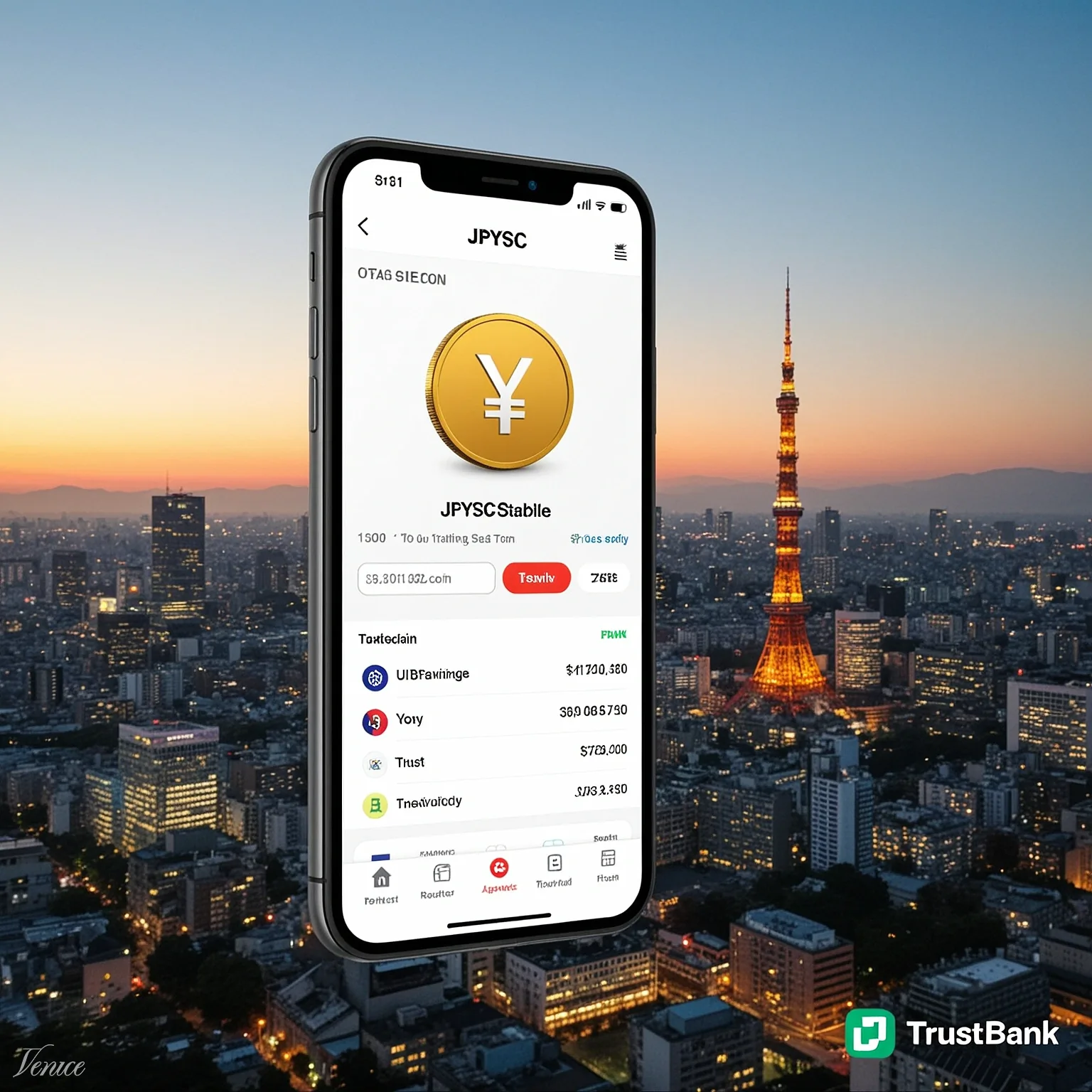
SBI Group has introduced JPYSC, Japan’s first stablecoin backed by a trust bank. For now, it’s only available to SBI VC Trade account holders while regulators clarify its status.

Black Lake and Nuva Labs have successfully tokenized $25 million in mortgage loans on the Provenance Blockchain, marking a significant step in the real-world asset (RWA) space. This move aims to bring traditional financial instruments onto the blockchain for greater transparency and liquidity.

The CBOE is reportedly exploring the conversion of its Bitcoin and Ethereum continuous futures into perpetual futures, following regulatory changes and competitors' moves. The shift could make crypto trading more accessible and flexible for traders, though the exchange has not made a final decision.

Chainlink is working with 47 banks from South Korea and Europe on Project Pangea, an initiative to use stablecoins for near-instant settlement of multimillion-dollar currency trades between the two regions.

The Bank of England has replaced individual holding caps with a £40 billion per-coin issuance limit for stablecoins. This change allows issuers to hold more reserves in government debt, potentially boosting stablecoin adoption in the UK.
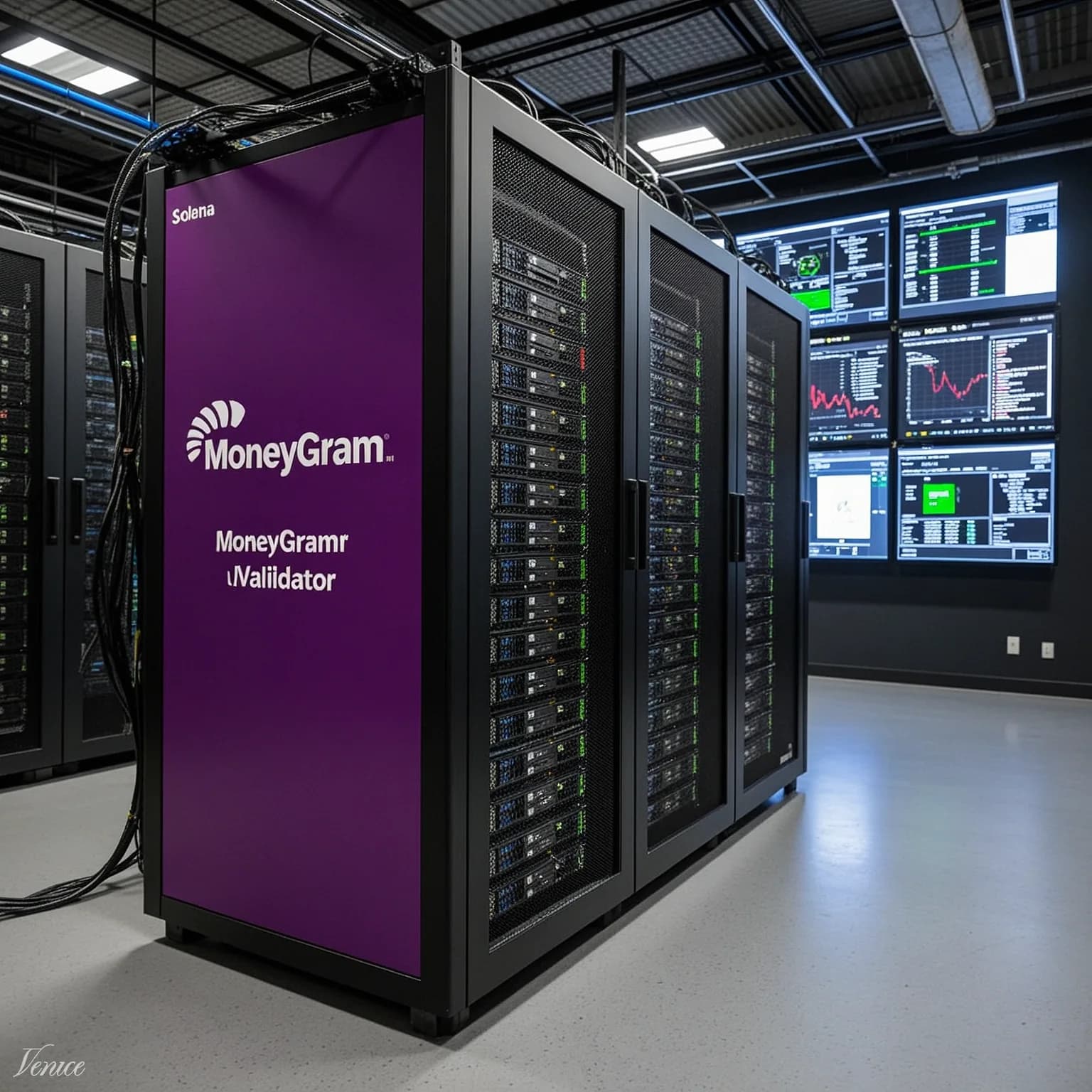
MoneyGram has become a validator on the Solana blockchain, helping process and secure transactions as it expands its stablecoin payment services. The move aims to make cross-border payments faster and cheaper for users.

The Bank of England has abandoned strict limits on retail stablecoin holdings, instead setting a £40 billion ($50 billion) aggregate issuance cap. The move aims to boost the U.K.'s digital asset market ahead of a 2027 launch.

Argos has developed a system to label every transaction on Ethereum, helping users understand the purpose of DeFi activities. The system classifies transactions such as arbitrage, swaps, and other common DeFi actions, and is detailed in a post on their official blog.