What Is Shiba Inu? A Beginner's Guide to How It Works
Shiba Inu (SHIB) is a meme token launched in 2020 by an anonymous creator called Ryoshi. It lives on Ethereum, started with one quadrillion tokens, and has grown an ecosystem that includes the ShibaSwap exchange and the Shibarium layer-two network. Here is how it works, how it differs from Dogecoin, and what the risks are.
Key takeaways
- Shiba Inu (SHIB) is a meme token launched in August 2020 by a pseudonymous creator known as Ryoshi.
- SHIB is an ERC-20 token on Ethereum, not a coin with its own original blockchain.
- The token started with one quadrillion units, all created at launch, with no mining.
- Half of the supply was sent to Ethereum co-founder Vitalik Buterin, who burned most of it in 2021.
- The ecosystem now includes the ShibaSwap exchange, the LEASH and BONE tokens, and the Shibarium layer-two network.
- Meme coins are highly volatile and driven by hype, so beginners should understand the risks first.
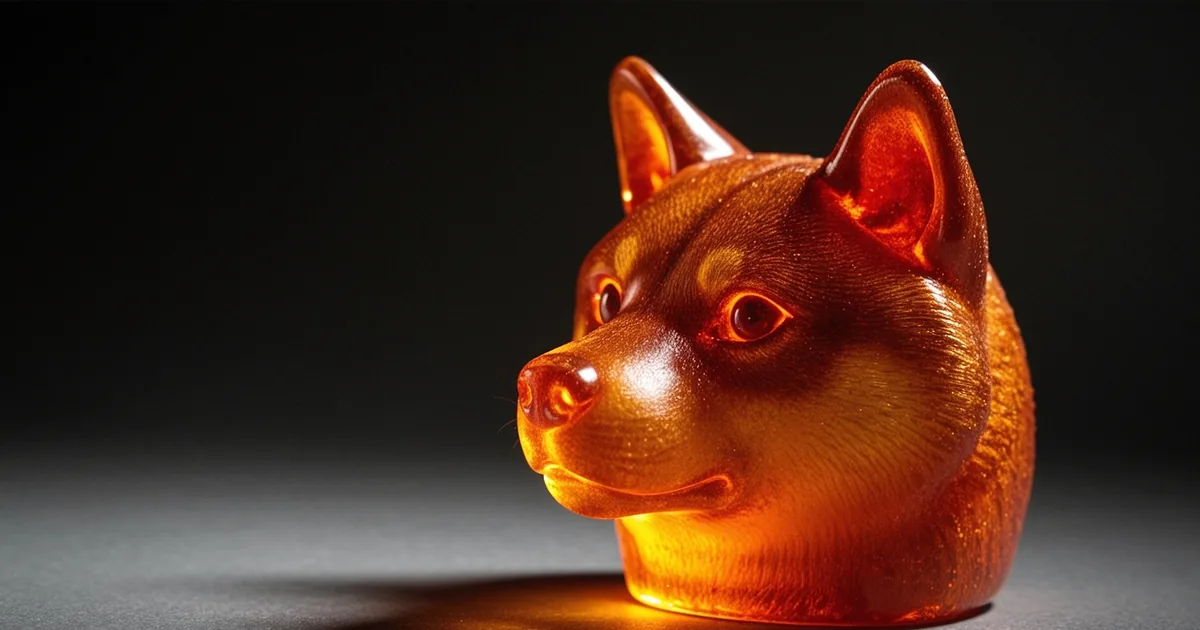
Shiba Inu (SHIB) is a meme token launched in 2020 that runs on the Ethereum blockchain and is named after the same Japanese dog breed as Dogecoin. It began as a community experiment with no product at all, and has since grown an ecosystem that includes a decentralized exchange, two sister tokens and its own layer-two network.
This guide is part of CryptoCatalyst's "What Is" series, which explains one major cryptocurrency each day in plain English.
The Problem Shiba Inu Set Out to Solve
Most cryptocurrencies launch with a technical problem in mind, such as faster payments or programmable money. Shiba Inu took a different path. Its creator described it as an experiment in decentralized community building.
The idea was straightforward:
- Create a token so plentiful that almost anyone could own millions of them.
- Let the community, not a company, decide what to build next.
- Use the popularity of dog-themed memes to attract attention.
Over time, that community did add real tools, which is a big part of why Shiba Inu is more than just a name today.
Origins: Ryoshi and the Dogecoin Killer
Shiba Inu was launched in August 2020 by a person or group using the pseudonym Ryoshi. Much like Bitcoin's Satoshi Nakamoto, Ryoshi chose to stay anonymous, and their real identity has never been publicly confirmed.
Ryoshi pitched SHIB as a playful rival to Dogecoin, and early marketing even nicknamed it the Dogecoin killer. Ryoshi later stepped back from the project, leaving its direction largely in the hands of the community and its developers. You can read the project's own description on the official Shiba Inu website.
How It Works: A Token on Ethereum
Shiba Inu does not have its own original blockchain. SHIB is an ERC-20 token, which means it follows a common token standard on Ethereum.
A useful analogy: think of Ethereum as a giant shared computer, and SHIB as one application running on it. Because it uses the ERC-20 standard, most Ethereum wallets and many apps support it automatically.
When you send SHIB on Ethereum:
- Ethereum's validators confirm the transfer, the same way they confirm any other Ethereum transaction.
- The network fee is paid in ether (ETH), not in SHIB.
- The transfer is recorded permanently on Ethereum's public ledger.
The Supply: One Quadrillion Tokens
Shiba Inu started with one quadrillion tokens, a one followed by fifteen zeros. All of them were created at launch. There is no mining and no new issuance built into the token.
According to the project, half of the supply was locked into a trading pool on a decentralized exchange, and the other half was sent to Ethereum co-founder Vitalik Buterin. Because the supply is so large, people often hold SHIB in the millions, which is part of its appeal to people who like owning tokens in big round numbers.
The Famous Burn
In 2021, Vitalik Buterin did something unusual with the tokens he had been given. He burned most of them, sending them to an address that nobody controls so they can never move again. He donated much of the remainder to a COVID relief fund in India.
That single burn removed a very large share of the total supply in one move. Since then, community members have continued burning smaller amounts of SHIB, but these burns are voluntary. Nothing in the token's code forces the supply to shrink.
The Ecosystem: ShibaSwap, LEASH, BONE and Shibarium
The community has built several pieces around the original token:
- ShibaSwap, launched in 2021, is a decentralized exchange where people swap tokens directly from their own wallets, without a middleman.
- LEASH and BONE are sister tokens used within the ecosystem. BONE also plays a role in governance.
- Shibarium, launched in 2023, is a layer-two network that sits on top of Ethereum. It aims to make transactions faster and cheaper, and it uses BONE to pay fees.
This ecosystem is what separates Shiba Inu from many meme coins that never move beyond a token and a logo.
How to Hold and Use SHIB
To hold Shiba Inu yourself, you need a wallet that supports Ethereum tokens. The wallet gives you a recovery phrase, a list of words that acts as the master key. Whoever has those words controls the tokens, so never share them with anyone.
You can also keep SHIB on an exchange, but then the exchange holds the keys on your behalf. A few practical tips:
- Check the network before sending. SHIB exists on Ethereum and on Shibarium, and sending on the wrong network can mean losing access to your tokens.
- Keep some ETH in your wallet to pay fees for transfers on Ethereum.
- Only use the official contract address, because scammers create look-alike tokens.
Shiba Inu vs Dogecoin
Shiba Inu is most often compared to Dogecoin, since both are meme coins with the same dog breed as a mascot. Under the hood, they are very different:
- Dogecoin runs its own blockchain secured by miners using proof of work, and new coins are created continuously with no cap.
- Shiba Inu is a token on Ethereum with a fixed starting supply and no mining.
- Shiba Inu has smart contract tools such as ShibaSwap and Shibarium, which Dogecoin does not offer natively.
Why People Value Shiba Inu
The main reason people care about Shiba Inu is community. The token built a loud and loyal following online, sometimes called the Shib Army. Many holders enjoy owning millions of tokens with a small amount of money.
Over the years, many large exchanges listed SHIB, and some businesses began accepting it as a payment option. The ecosystem also gives holders things to do beyond holding, like trading on ShibaSwap or using apps on Shibarium.
The Risks
Shiba Inu carries significant risks that beginners should understand:
- Hype-driven value. Meme coins depend heavily on social media sentiment and have seen extreme price swings.
- Anonymous founder. Ryoshi is unknown and no longer leads the project.
- Concentrated holdings. Large holders can move the market.
- Scams. Fake SHIB tokens and fake giveaways are common, so always verify the official contract address.
- Regulation. Regulators in some countries are still deciding how to treat tokens like this.
None of this is financial advice.
Shiba Inu in Short
Shiba Inu is a meme token launched in 2020 by the anonymous Ryoshi. It lives on Ethereum as an ERC-20 token and started with one quadrillion units. A famous burn by Vitalik Buterin destroyed a large share of that supply, and the community has since built ShibaSwap and the Shibarium network around it.
The next guide in CryptoCatalyst's "What Is" series explains Hedera.
Frequently asked questions
Who created Shiba Inu?
Shiba Inu was launched in August 2020 by a person or group using the pseudonym Ryoshi. Their real identity has never been publicly confirmed, and Ryoshi later stepped back from the project.
Does Shiba Inu have its own blockchain?
SHIB itself is an ERC-20 token on Ethereum. In 2023 the project launched Shibarium, a layer-two network built on top of Ethereum that aims to make transactions faster and cheaper, with fees paid in BONE.
What is the difference between Shiba Inu and Dogecoin?
Dogecoin runs its own proof-of-work blockchain and creates new coins continuously with no cap. Shiba Inu is a token on Ethereum with a fixed starting supply, no mining, and an ecosystem of smart contract tools like ShibaSwap.
What does it mean to burn SHIB?
Burning means sending tokens to an address that nobody controls, so they can never be used again. The largest burn came in 2021, when Vitalik Buterin burned most of the SHIB he had been sent. Community burns since then have been smaller and voluntary.
Is Shiba Inu a good investment?
Shiba Inu is a meme token whose value depends heavily on hype and community sentiment, and meme coins have seen extreme price swings. It has an anonymous founder, large holders who can move the market, and many scam tokens that copy its name. This guide is educational and not investment advice.