OpenAI Launches ChatGPT Wallet for AI Shopping With Existing Cards
OpenAI has launched ChatGPT Wallet, a limited U.S. feature that lets its AI assistants complete online purchases using tokenized American Express, Mastercard or Visa details after the user approves each transaction. Unlike Coinbase and Circle’s agent payment tools, it uses ordinary cards rather than crypto—and merchants still handle delivery, returns and billing disputes.
Key takeaways
- ChatGPT Wallet is rolling out to U.S. ChatGPT Pro subscribers aged 18 or older with eligible U.S.-issued cards.
- The wallet supports American Express, Mastercard and Visa and does not store cryptocurrency or a cash balance.
- Users must approve every purchase in the current rollout, using a security check such as Face ID or a fingerprint.
- OpenAI plans to add purchases under spending limits or category restrictions but has not announced a launch date.
- Merchants remain responsible for delivery and returns, while users generally contact their card issuer about billing disputes.
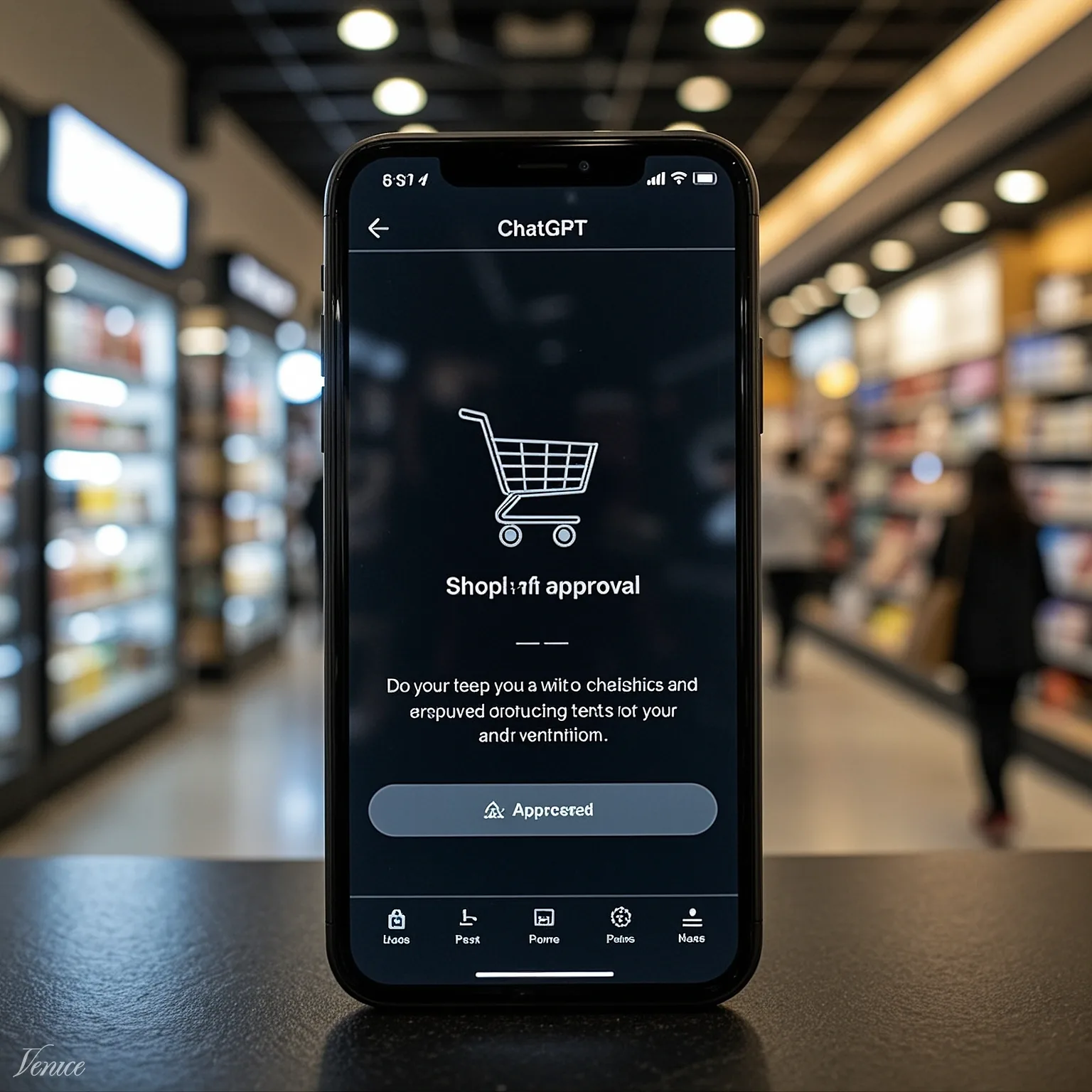
OpenAI’s ChatGPT Wallet lets its AI assistants, called dots, shop at online stores using a customer’s saved American Express, Mastercard or Visa card. It is rolling out to ChatGPT Pro subscribers aged 18 or older in the U.S. with eligible U.S.-issued cards, and it does not hold cryptocurrency or a cash balance.
Before a purchase goes through, the customer reviews the order and approves it with a security check such as a fingerprint or Face ID. The card network then creates substitute card details for the payment, so the agent does not use the customer’s actual card number. For now, every purchase needs approval.
How does ChatGPT Wallet compare with crypto payment tools?
ChatGPT Wallet uses familiar card networks and existing merchant checkout pages. That differs from Coinbase’s Agentic Wallets and x402 protocol, which can let software spend USDC—a dollar-pegged stablecoin—to pay for digital services, sometimes without a person approving each small payment. Circle’s Agent Stack also supports agent payments in USDC, including amounts as small as $0.000001.
The distinction is practical: OpenAI’s wallet is designed for consumer shopping with card protections and rewards, while crypto tools are aimed more at automated payments between software services. A Coinbase agent-payment tool and Circle’s USDC payment tools show how those crypto-based approaches are developing alongside card-based checkout.
The potential market is attracting big technology and payments firms. Google is pursuing shopping-agent connections through its Universal Commerce Protocol, while OpenAI introduced merchant business profiles just three days before the Wallet launch. OpenAI’s earlier Instant Checkout, introduced with Stripe in September 2025, let users buy from participating merchants inside ChatGPT; Wallet instead aims to work with ordinary online checkout forms, without requiring each store to build a special integration.
What should shoppers know before using it?
The approval step is important: despite the idea of autonomous shopping, the current version does not let an agent spend freely or make purchases without the user’s confirmation. OpenAI says it plans to add future purchases authorized within spending limits or categories, but has not given a release date.
Tokenized card details also do not change who is responsible after an order is placed. OpenAI’s terms say merchants remain responsible for delivery and returns, and customers generally need to contact their card issuer about billing disputes. OpenAI warns that some merchant websites may block shopping agents or flag valid Wallet payments as possible fraud.
For shoppers, the contrast with crypto is less about which system is universally better and more about what kind of payment is being automated. If you want an assistant to buy from a normal online store, this rollout keeps the payment on your existing card; crypto agent tools instead target programmable payments for online services. The next concrete change to watch is whether OpenAI actually launches its planned spending limits—and whether merchants accept agent-driven checkouts.
Frequently asked questions
Does ChatGPT Wallet use cryptocurrency?
No. ChatGPT Wallet uses tokenized details from eligible American Express, Mastercard and Visa cards. It does not hold crypto or a cash balance.
Can ChatGPT buy things without my approval?
Not in the current rollout. Users must review and approve each purchase, typically with a security check such as a fingerprint or Face ID.
Who can use OpenAI’s ChatGPT Wallet?
The limited rollout is for ChatGPT Pro subscribers aged 18 or older in the United States with eligible U.S.-issued cards.
Who handles returns or a disputed ChatGPT Wallet charge?
OpenAI’s terms say merchants are responsible for delivery and returns. Users generally need to contact their card issuer about billing disputes.