Trezor Warns CryptoBilis Buyers After Suspected Safe 5 Hardware Implant
Trezor is urging people who bought a Safe 5 through reseller CryptoBilis to move their crypto after receiving a credible report of a suspected hardware implant inside one device. Trezor has not yet examined the reported device, so the warning is precautionary rather than confirmation that other units were compromised.
Key takeaways
- Trezor received a credible report of a suspected hardware implant inside a Safe 5 sold by CryptoBilis.
- Trezor urged CryptoBilis buyers to move their crypto to a wallet they trust.
- Trezor has not yet examined the reported device, so the implant remains unconfirmed.
- Ledger previously found an LTE chip in CryptoBilis devices that captured recovery phrases.
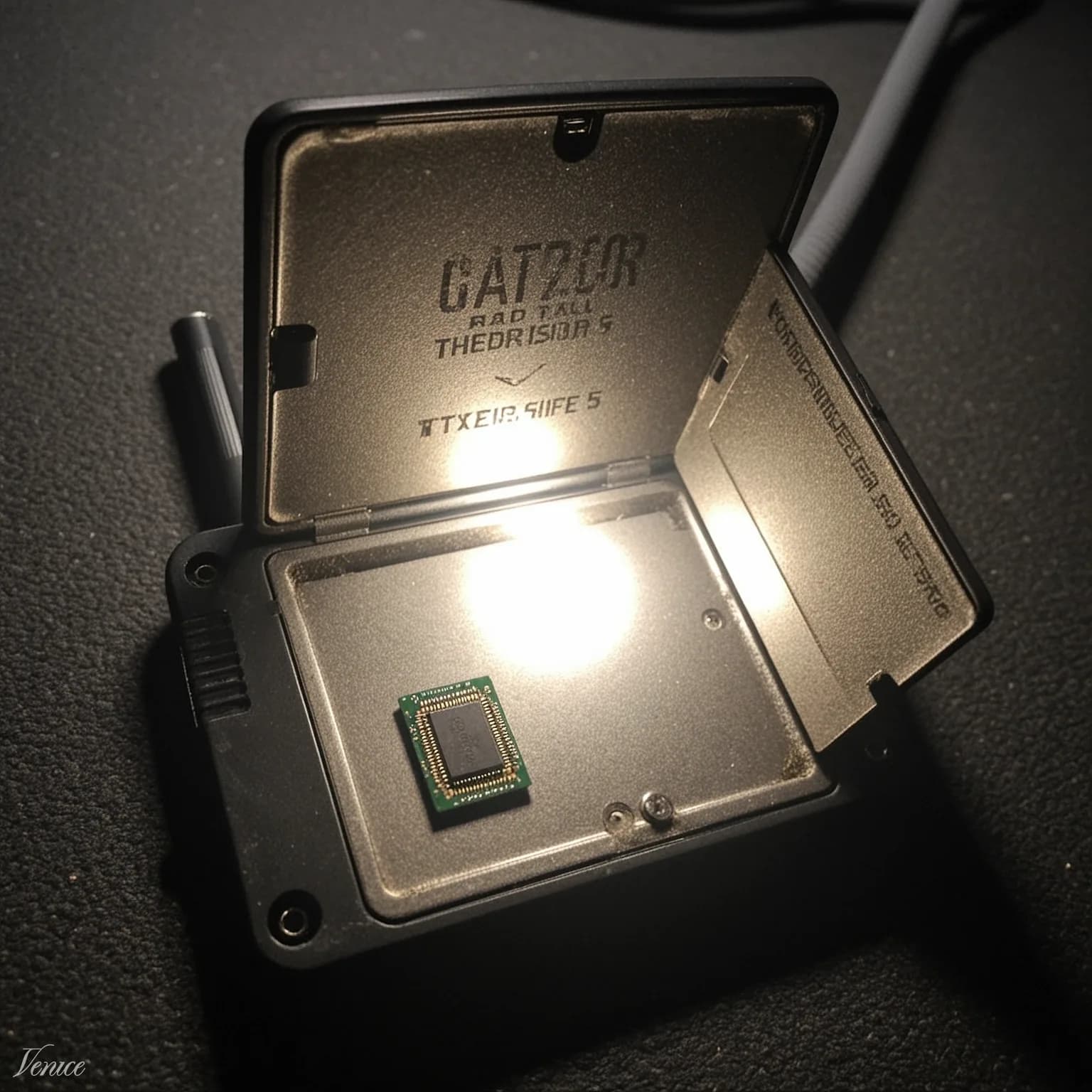
Trezor has urged CryptoBilis customers to transfer their crypto after receiving what it described as a credible report of a suspected hardware implant in a Safe 5 device. A hardware wallet is meant to keep the secret recovery information that controls crypto offline, so an implant raises concern that a device could expose funds even when used as intended.
The report concerns a device sold by CryptoBilis, a reseller. Trezor has not yet examined the device, so the suspected implant has not been confirmed.
What should CryptoBilis buyers do?
Trezor’s advice is to move funds held using a device bought from CryptoBilis to a wallet they trust. This is a precaution: the reported device has not yet been inspected, and the available information does not establish how many units, if any, may be affected.
If you bought a Safe 5 through the reseller, treat the warning as a reason to secure your funds using a device or wallet whose origin you trust. Do not enter your recovery phrase into a website or share it with anyone claiming to help; that phrase can grant control of your crypto.
Why does this raise wider concerns about CryptoBilis?
The warning follows an earlier investigation by Ledger that found tampered devices sold by CryptoBilis contained a hidden LTE chip that captured users' 24-word recovery phrases during wallet setup. Ledger also investigated suspected thefts exceeding $86 million linked to the reseller and asked it to stop sales. The Trezor report is a separate device concern, but the shared reseller makes the provenance of hardware a practical issue for customers of both brands.
For buyers, a brand name alone may not answer whether a particular device is safe: who sold it and whether it was tampered with also matter. The next concrete step is for Trezor to inspect the reported Safe 5 and clarify whether its findings point to a broader risk.
Frequently asked questions
What did Trezor warn CryptoBilis customers about?
Trezor received a credible report of a suspected hardware implant in a Safe 5 sold by CryptoBilis and urged buyers to move their funds to a wallet they trust.
Has Trezor confirmed that the Safe 5 was implanted?
No. Trezor has not yet examined the reported device, so the suspected implant has not been confirmed.
What should I do if I bought a Trezor Safe 5 from CryptoBilis?
Follow Trezor’s advice to transfer funds to a wallet you trust. Never share your recovery phrase or enter it into a website or message from someone offering assistance.