JPMorgan, Coca-Cola and Dell Object to OKX-ICE Tokenized Stock Plan
JPMorgan, Coca-Cola and Dell have objected to plans for their shares to trade on a blockchain-based venue being developed by OKX and Intercontinental Exchange. Nearly half of the companies on the venture’s original roster have now pushed back, raising questions about whether tokenized stock trading can proceed without issuers’ support.
Key takeaways
- JPMorgan, Coca-Cola and Dell objected to plans to trade their shares on the OKX-ICE venue.
- Nearly half of the venture’s original roster of companies have now objected.
- The report does not detail the firms’ reasons or the planned tokens’ legal structure.
- A token linked to a stock may not provide the same ownership rights as the underlying share.
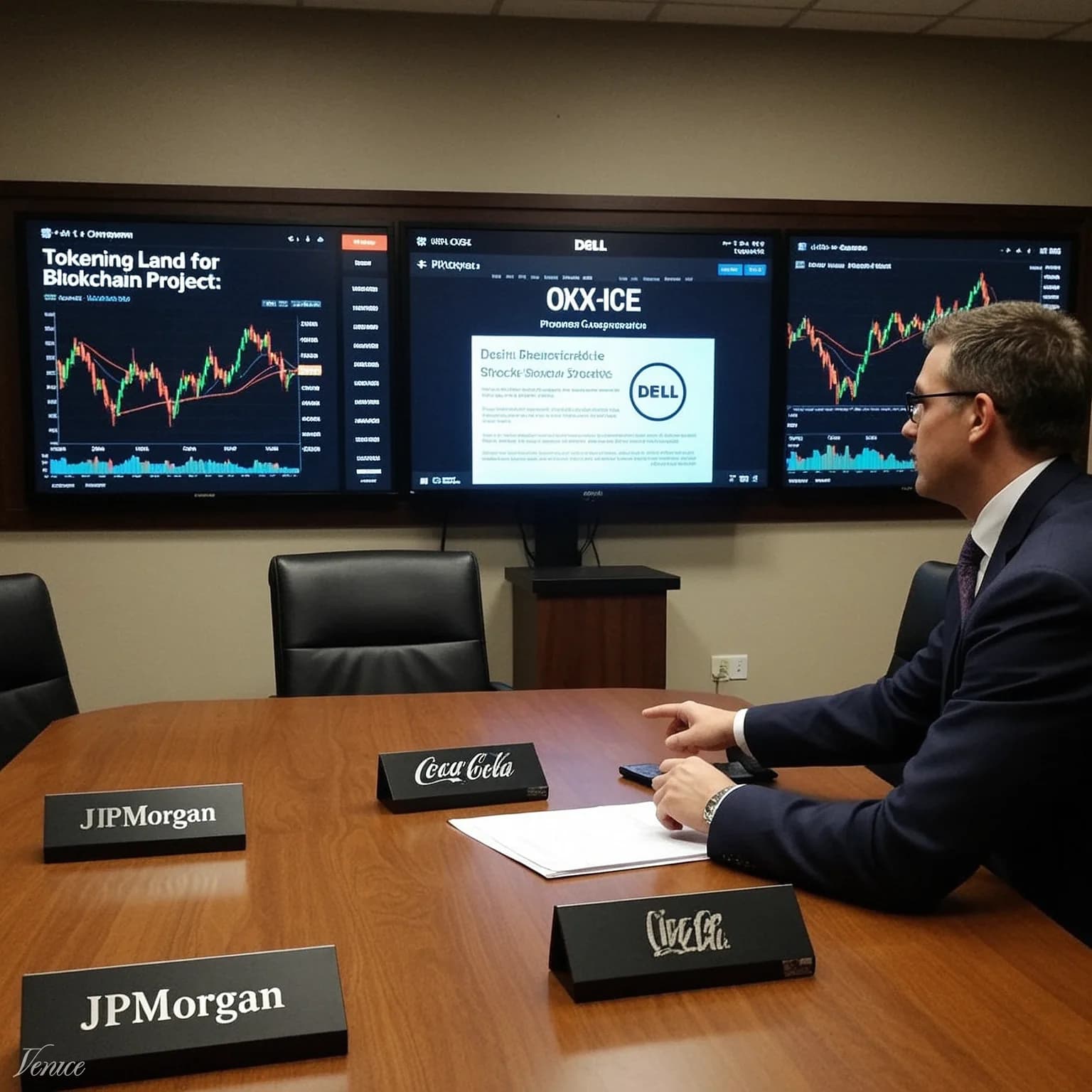
JPMorgan, Coca-Cola and Dell have objected to plans for their shares to be offered on a planned blockchain-based trading venue from crypto exchange OKX and Intercontinental Exchange (ICE). The companies’ objections add to a growing list of firms that do not want their shares included in the project.
Nearly half of the companies on the venture’s original roster have now objected, according to the report. The description does not specify how the objections were communicated or whether the firms have taken legal action.
Why are companies objecting to the OKX-ICE plan?
The objections put a basic question at the center of the proposal: can a venue offer blockchain-based exposure to a company’s shares when that company does not want to participate? The report identifies the companies’ opposition, but does not provide their individual reasons or explain the legal structure of the planned products.
That distinction matters to users. A token linked to a stock may provide price exposure, but the details determine whether it represents actual ownership, carries shareholder rights, or is instead a separate product designed to track the share price. The available information does not establish which structure OKX and ICE intended to use.
What does this mean for people interested in tokenized stocks?
The pushback highlights a tension in tokenized equities: blockchain venues can aim to make trading available around the clock, but access to well-known company shares may depend on issuer consent, the product’s legal design and market rules. A tokenized-stock offering is not automatically the same as holding the underlying share through a conventional brokerage.
That is a different hurdle from simply building a trading platform. Robinhood’s separate blockchain project, for example, has promoted 24/7 tokenized stock trading; the OKX-ICE report instead centers on companies objecting to the inclusion of their shares. For prospective users, the practical next step is to look for the final asset list and the precise rights attached to each token before treating one as a substitute for a stock.
Frequently asked questions
Which companies objected to the OKX-ICE tokenized stock plan?
JPMorgan, Coca-Cola and Dell are among the companies that objected to plans for their shares to trade on the proposed venue.
How many companies oppose the OKX-ICE plan?
Nearly half of the companies on the venture’s original roster have now objected, according to the report.
Does a tokenized stock give you ownership of the company?
Not necessarily. The rights depend on the product’s legal structure. The report does not say whether the proposed OKX-ICE tokens would represent actual shares or provide shareholder rights.