U.S. Drops Proposed $10,000 Crypto Reporting Rule for Private Wallets
The U.S. Treasury has withdrawn two proposals that would have required reporting for crypto transactions to private wallets and designated mixers as primary money laundering concerns. This move ends years of uncertainty for self-custody users and mixer services.
Key takeaways
- FinCEN withdrew a 2020 proposal requiring reporting for crypto transactions over $10,000 to self-custodial wallets.
- FinCEN also scrapped a 2023 proposal to designate crypto mixers as primary money laundering concerns.
- The withdrawals end years of regulatory uncertainty for self-custody users and mixer services.
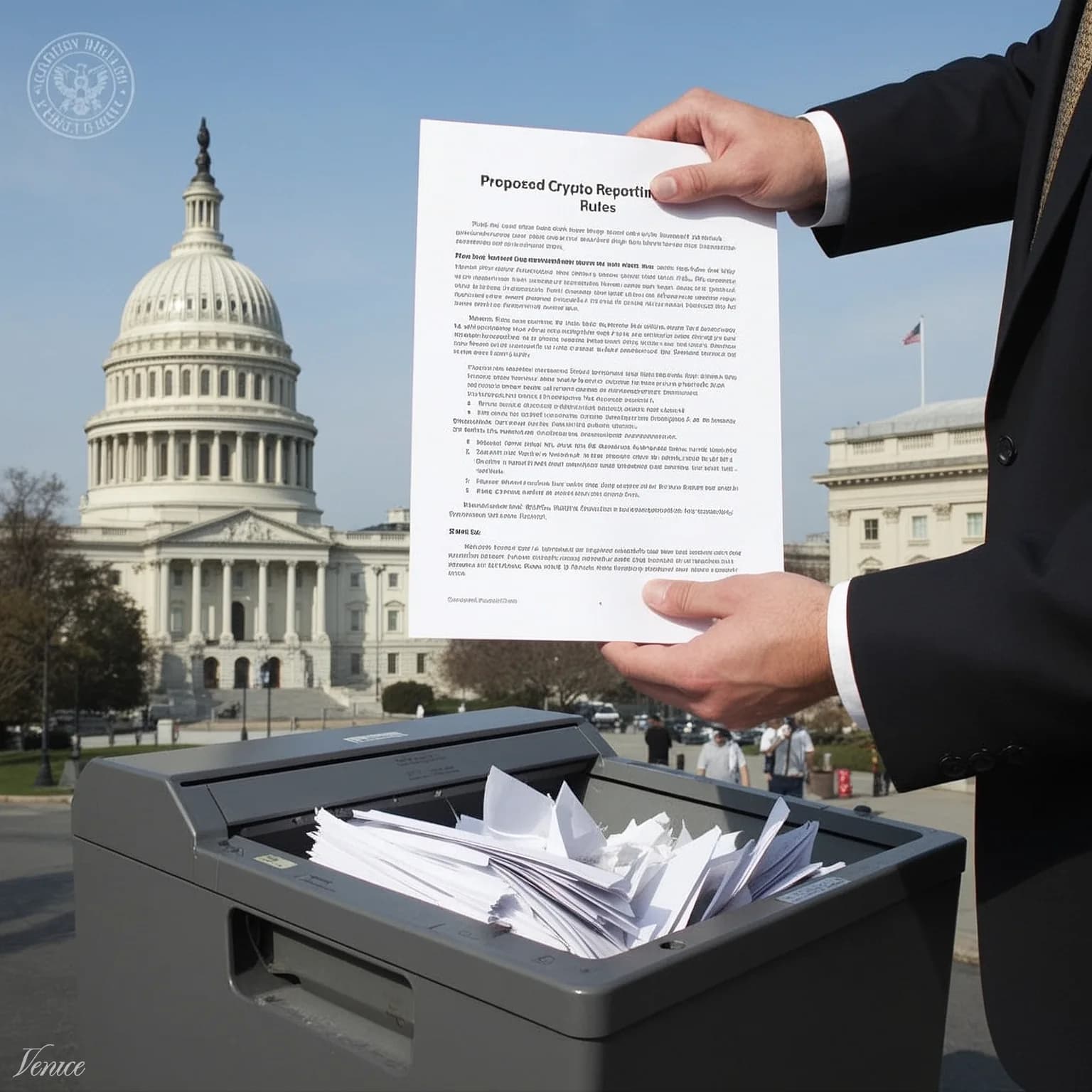
The U.S. Treasury's Financial Crimes Enforcement Network (FinCEN) has withdrawn two controversial proposals that had loomed over the crypto industry for years. The first, proposed in 2020, would have required financial institutions to report crypto transactions to self-custodial wallets exceeding $10,000. The second, from 2023, aimed to designate crypto mixers as primary money laundering concerns. Both proposals have now been scrapped.
What This Means for Self-Custody Users
The withdrawal of the 2020 proposal is a significant win for privacy advocates and self-custody users. The rule would have required exchanges and other financial institutions to report transactions to unhosted wallets, raising concerns about surveillance and privacy. With the proposal now withdrawn, users can continue to transfer crypto to private wallets without additional reporting requirements.
The Impact on Crypto Mixers
The 2023 proposal targeted crypto mixers, services that obfuscate the trail of crypto transactions to enhance privacy. Designating mixers as primary money laundering concerns would have subjected them to heightened scrutiny and potential legal action. The withdrawal of this proposal means mixers can continue to operate without the added regulatory burden.
Why the Timing Matters
The withdrawal of these proposals comes amid ongoing debates about crypto regulation and privacy. It follows recent moves by other countries, such as Thailand and Brazil, to impose stricter rules on self-custody wallets. The U.S. decision contrasts with these trends, signaling a more lenient approach to crypto privacy. For more on global crypto regulations, see our coverage of Thailand's enforcement of the crypto travel rule and Brazil's 24-hour wait rule for crypto transfers.
Frequently asked questions
What was the 2020 proposal about crypto transactions to private wallets?
The 2020 proposal would have required financial institutions to report crypto transactions to self-custodial wallets exceeding $10,000, raising privacy concerns.
Why were crypto mixers targeted in the 2023 proposal?
The 2023 proposal aimed to designate crypto mixers as primary money laundering concerns, subjecting them to heightened regulatory scrutiny.
How does this decision affect self-custody users?
Self-custody users can continue to transfer crypto to private wallets without additional reporting requirements, preserving their privacy.