Near Intents Blocks $50M in Bitget Hacker Swaps, but Most Funds Move Elsewhere
Near Intents identified and blocked over $50 million in attempted transfers from the Bitget hack. However, most of the rejected funds were later moved through other swap services. This highlights the challenges of tracking and freezing stolen crypto assets.
Key takeaways
- Near Intents blocked $50 million in attempted transfers from the Bitget hack.
- Most of the rejected funds were later moved through other swap providers.
- The incident highlights the challenges of tracking and freezing stolen crypto assets.
- Decentralized monitoring systems like Near Intents are crucial for detecting suspicious transactions.
- Collaboration among crypto platforms is necessary to enhance security and prevent the movement of stolen funds.
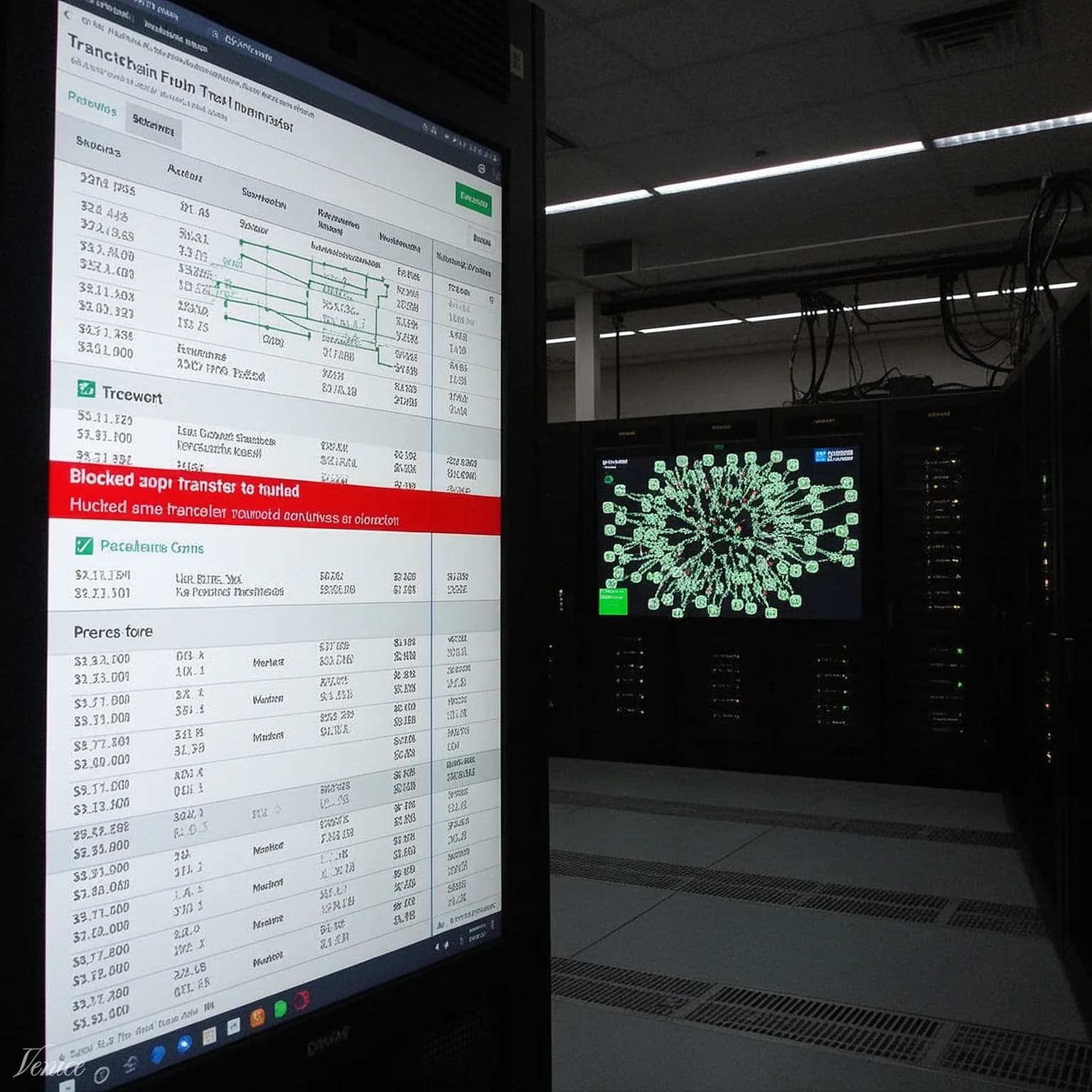
Near Intents, a decentralized swap service, identified and blocked over $50 million in attempted transfers from the recent Bitget hack. However, most of the rejected funds were later moved through other swap providers, highlighting the persistent challenges of tracking and freezing stolen crypto assets.
How Near Intents Blocked the Swaps
Near Intents uses a permissionless system to monitor and block suspicious transactions. The service detected the $50 million in attempted transfers and successfully prevented them from being processed. This is a significant step in the ongoing effort to secure crypto assets and prevent hackers from moving stolen funds.
Why Most Funds Still Moved
Despite Near Intents' efforts, most of the rejected funds were subsequently moved through other swap services. This underscores the limitations of decentralized monitoring systems and the need for broader collaboration among crypto platforms to track and freeze stolen assets. The hackers' ability to move funds through alternative channels demonstrates the ongoing challenges in securing the crypto ecosystem.
What This Means for Crypto Security
The incident highlights the importance of decentralized monitoring systems like Near Intents in detecting and blocking suspicious transactions. However, it also shows that no single service can fully prevent the movement of stolen funds. Collaboration among different platforms and the development of more robust security measures are crucial for enhancing crypto security.
For those affected by the Bitget hack, it's essential to stay informed about the movement of stolen funds and the efforts being made to recover them. Keep an eye on updates from Near Intents and other security services for the latest developments.
Frequently asked questions
What is Near Intents?
Near Intents is a decentralized swap service that monitors and blocks suspicious transactions on the NEAR blockchain.
How much money was blocked by Near Intents?
Near Intents blocked over $50 million in attempted transfers from the Bitget hack.
Why were the blocked funds still moved elsewhere?
The hackers used other swap services to move the funds, highlighting the limitations of decentralized monitoring systems.
What can be done to improve crypto security?
Enhanced collaboration among crypto platforms and the development of more robust security measures are crucial for improving crypto security.