Senate Rejects Trump-Backed Clarity Act, Leaving Crypto Regulations in Limbo
The Senate has rejected the Clarity Act, a crypto bill backed by former President Donald Trump. The bill aimed to provide regulatory clarity for the crypto industry, but its defeat leaves the future of crypto regulations uncertain. Critics argue that the failure to pass the bill benefits banks and offshore crypto hubs.
Key takeaways
- Senate rejected the Trump-backed Clarity Act on September 15, 2026.
- Critics say banks and offshore hubs like Dubai benefit from the defeat.
- The bill aimed to regulate stablecoin yields and crypto market structure.
- U.S. crypto firms face continued regulatory uncertainty without federal clarity.
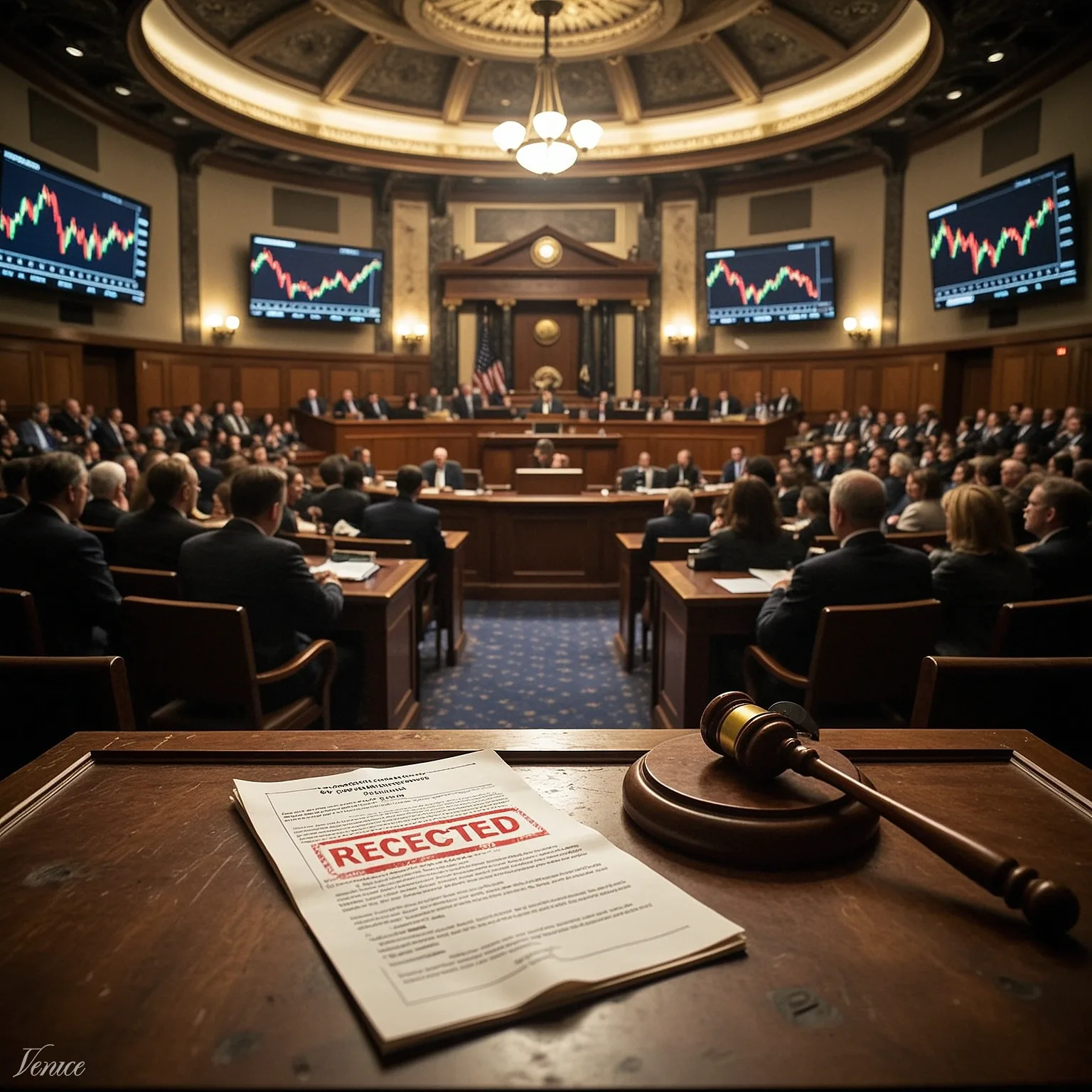
The Senate has rejected the Clarity Act, a crypto bill backed by former President Donald Trump. The bill aimed to establish a clear regulatory framework for cryptocurrencies, addressing issues such as stablecoin yields and market structure. Its defeat means the crypto industry will continue operating under a patchwork of regulations, creating uncertainty for businesses and investors.
Why Banks and Offshore Hubs Win
According to CoinDesk, one expert believes the bill's failure is a win for banks that staunchly oppose stablecoin yields, while a global crypto lawyer argues that overseas jurisdictions like Dubai benefit most. Without federal clarity, crypto firms may relocate to friendlier regulatory environments abroad, and traditional banks avoid competition from yield-bearing stablecoins.
What's Next for Crypto Regulations
The defeat does not end the push for crypto rules. Lawmakers are likely to continue debating new bills to address the regulatory challenges facing the industry. In the meantime, businesses and investors should stay informed about the latest developments and be prepared to adapt to changing regulations.
For more on recent crypto legislation, see our coverage of the US Senate passing a bill banning Fed CBDC until 2030.
Frequently asked questions
What was the Clarity Act?
A bill backed by former President Donald Trump that aimed to create a federal regulatory framework for crypto, including rules on stablecoin yields and market structure.
Why did the Senate reject the Clarity Act?
Deep divisions within the Senate on crypto policy, with critics arguing the bill favored banks and could push crypto firms offshore.
Who benefits from the Clarity Act's defeat?
Banks that oppose stablecoin yields and offshore crypto hubs like Dubai, as crypto firms may relocate to friendlier regulatory environments.
What happens next for U.S. crypto regulation?
Lawmakers will continue debating new bills, but the industry faces a patchwork of state rules and uncertainty in the near term.