Deutsche Bank To Debut Bitcoin Custody for Institutional Clients
Deutsche Bank is preparing to offer Bitcoin custody services for institutional clients, marking another major financial institution's entry into crypto. The bank is awaiting regulatory approval to expand into tokenized assets, following a trend of traditional banks embracing digital assets.
Key takeaways
- Deutsche Bank is launching Bitcoin custody services for institutional clients.
- The bank is awaiting regulatory approval to expand into tokenized assets.
- Deutsche Bank plans to support Bitcoin, Ether, and select stablecoins initially.
- This move reflects the increasing mainstream acceptance of cryptocurrencies.
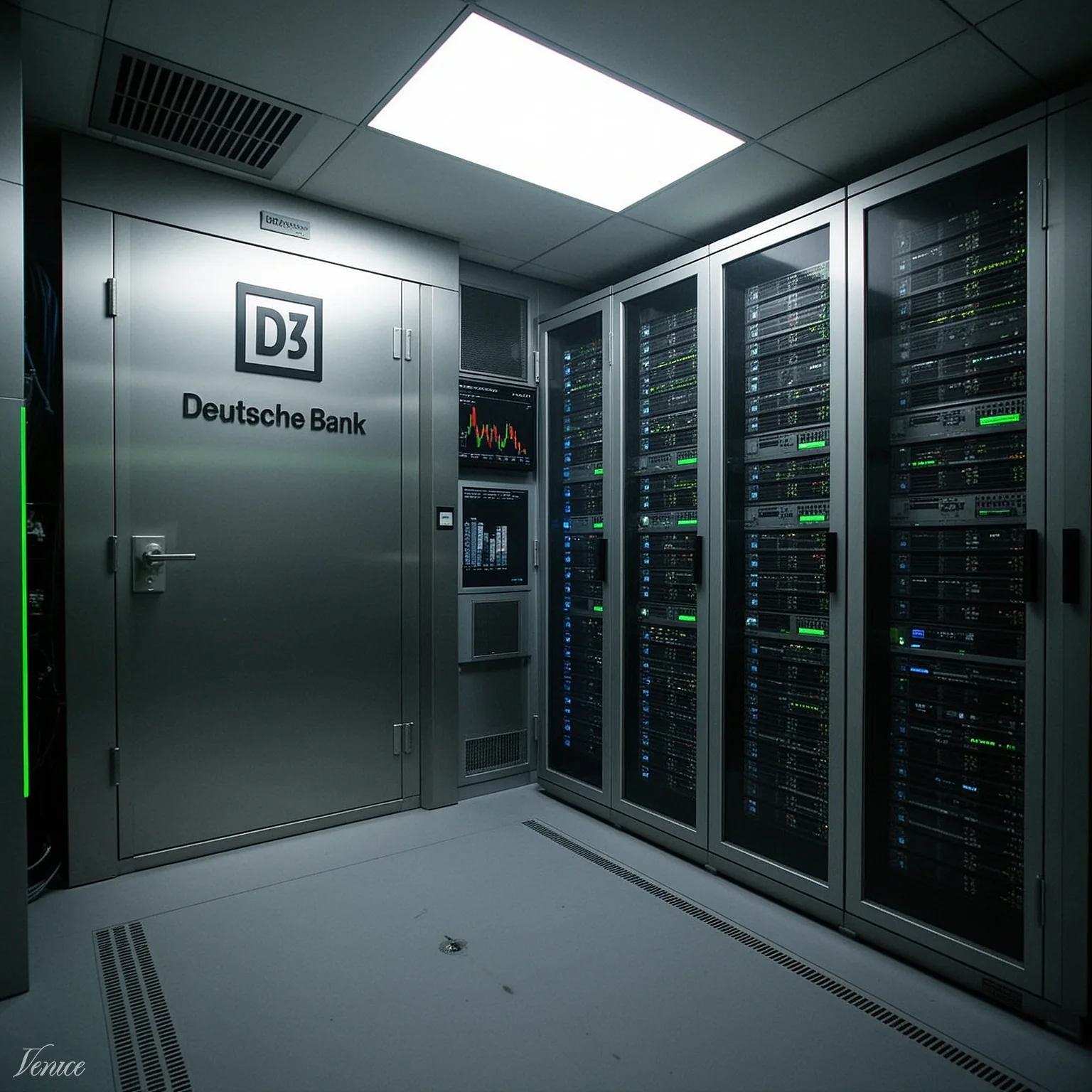
Deutsche Bank Enters Bitcoin Custody Space
Deutsche Bank, Germany's largest lender, is set to debut Bitcoin custody services for institutional clients. This move positions the bank as the latest major financial institution to offer crypto custody solutions, catering to the growing demand from institutional investors. The bank is awaiting regulatory approval to launch its institutional crypto custody solutions, which will initially cover Bitcoin, Ether, and select stablecoins before expanding into tokenized assets, according to CoinTelegraph.
Why This Matters
Deutsche Bank's entry into Bitcoin custody is significant as it reflects the increasing mainstream acceptance of cryptocurrencies. Institutional investors often require secure custody solutions to manage their digital assets, and the bank's involvement could attract more traditional investors to the crypto space. This follows a trend seen with other major banks and financial institutions, such as Morgan Stanley and Israel’s Bank Leumi, which have also expanded their crypto services.
What It Means for Institutional Investors
For institutional investors, Deutsche Bank's Bitcoin custody service provides a trusted and secure option for managing their Bitcoin holdings. This could lead to increased adoption and investment in Bitcoin, as well as other digital assets. The bank's plans to expand into tokenized assets indicate a broader strategy to integrate various crypto-related services, potentially offering a more comprehensive suite of digital asset management solutions.
Regulatory Approval and Future Expansion
Deutsche Bank is currently awaiting regulatory approval to launch its institutional crypto custody solutions. Once approved, the bank plans to extend its services to include Bitcoin, Ether, and select stablecoins. The expansion into tokenized assets is part of the bank's long-term strategy to become a key player in the digital asset space. This move aligns with the broader trend of traditional financial institutions embracing crypto, as seen with BitGo's introduction of quantum-resistant security for Bitcoin custody and Onramp's $12.5M raise to expand institutional Bitcoin custody.
What to Watch Next
Investors and crypto enthusiasts should keep an eye on regulatory developments and Deutsche Bank's official launch of its custody services. The bank's entry into the crypto space could influence other major financial institutions to follow suit, further legitimizing digital assets in the traditional financial sector. Additionally, the expansion into tokenized assets could open new avenues for investment and innovation in the crypto market. For more insights on institutional crypto custody, check out our Bitcoin coverage.
Frequently asked questions
What is Bitcoin custody?
Bitcoin custody refers to the secure storage and management of Bitcoin on behalf of investors. It involves safeguarding private keys and ensuring the safety of digital assets.
Why is Deutsche Bank entering the Bitcoin custody space?
Deutsche Bank is entering the Bitcoin custody space to cater to the growing demand from institutional investors for secure and trusted custody solutions.
What other digital assets will Deutsche Bank support?
Deutsche Bank plans to support Bitcoin, Ether, and select stablecoins initially, with plans to expand into tokenized assets upon regulatory approval.
How does this affect institutional investors?
This move provides institutional investors with a trusted option for managing their Bitcoin holdings, potentially increasing adoption and investment in digital assets.