Revolut Exposes Bitcoin Activity and Passport Data in Fake Government Request
Revolut accidentally shared Bitcoin transaction histories, passports, and other personal data after treating a fraudulent government request as legitimate. The breach affected a limited number of users, but no customer funds were lost. This incident highlights the risks of phishing and the importance of verifying official requests.
Key takeaways
- Revolut accidentally shared Bitcoin transaction histories and passport data after falling for a fake government request.
- The breach affected a limited number of users, but no customer funds were lost.
- The fraudulent request was sent from an email domain that appeared to belong to a legitimate government agency.
- This incident highlights the growing risks of phishing and the need for robust verification processes.
- Users should monitor their account activity and consider using additional security measures.
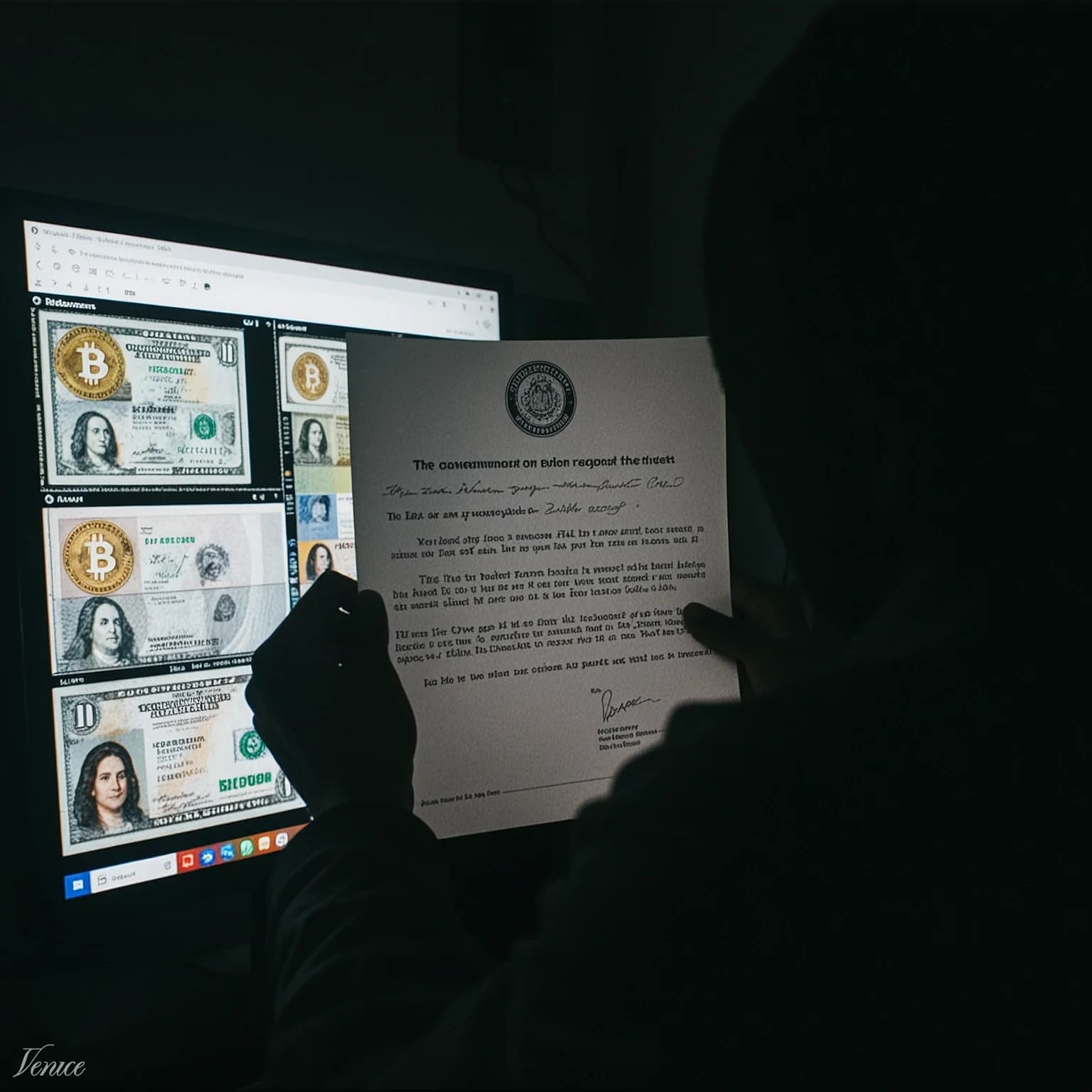
Revolut Falls for Fake Government Request, Leaks Bitcoin Activity and Passports
Revolut, a popular digital bank, accidentally shared sensitive user data, including Bitcoin transaction histories and passport information, after falling for a fake government request. The breach affected a limited number of users, but no customer funds were lost. This incident underscores the growing risks of phishing and the need for robust verification processes.
How the Breach Happened
The fraudulent request was sent from an email domain that appeared to belong to a legitimate government agency. Revolut treated the request as genuine and provided the requested information, which included passports, selfies, home addresses, and full Bitcoin transaction histories. The incident was reported by both CoinDesk and Decrypt.
Why the Timing Matters
This breach comes at a time when digital banks and financial institutions are increasingly targeted by sophisticated phishing attacks. The use of Bitcoin and other cryptocurrencies adds an extra layer of complexity, as transaction histories can reveal sensitive financial information. Revolut's failure to verify the authenticity of the request highlights the need for stricter security measures in the financial sector.
What It Means for You
If you are a Revolut user, this incident serves as a reminder to regularly monitor your account activity and be cautious of any unusual requests for information. While no funds were lost in this breach, the exposure of personal data can lead to identity theft and other forms of fraud. Users should consider using additional security measures, such as two-factor authentication, to protect their accounts.
What to Do Next
Revolut has not yet provided a detailed statement on the steps it is taking to prevent similar incidents in the future. Users affected by the breach should contact Revolut's customer support for further assistance. Additionally, it may be wise to review your Bitcoin transaction history and ensure that no unauthorized transactions have occurred. For more information on Bitcoin security, check out our Bitcoin coverage.
Related Incidents
This is not the first time a financial institution has fallen victim to a phishing attack. Earlier this year, the XRP Bridge was drained after a software flaw treated fake deposits as real. These incidents highlight the need for robust security measures in the financial sector. For more on the risks of quantum computing to Bitcoin, see our article on 25.3% of Bitcoin exposed to quantum computing risks.
Frequently asked questions
What data was exposed in the Revolut breach?
The breach exposed Bitcoin transaction histories, passports, selfies, and home addresses of a limited number of users.
Were any customer funds lost in the Revolut breach?
No, no customer funds were lost in the breach, but sensitive personal data was exposed.
What should Revolut users do to protect their accounts?
Users should monitor their account activity, use two-factor authentication, and contact Revolut's customer support for further assistance.
How can financial institutions prevent similar breaches?
Financial institutions should implement stricter verification processes and robust security measures to prevent phishing attacks.