Maharashtra Explores Tokenizing State Assets for Infrastructure Funding
Maharashtra, India's wealthiest state, is drafting a policy to tokenize state assets, including electricity transmission infrastructure, to fund new projects. This move could set a precedent for other regions looking to leverage blockchain technology for infrastructure development.
Key takeaways
- Maharashtra is drafting a policy to tokenize state assets, including electricity infrastructure, to fund new projects.
- Tokenization aims to attract global investors and create liquidity for critical infrastructure development.
- The move could set a precedent for other Indian states and countries exploring blockchain-based funding solutions.
- Regulatory clarity and addressing concerns about transparency and security are crucial for the success of this initiative.
- This initiative aligns with a global trend of leveraging tokenization to unlock the value of illiquid assets.
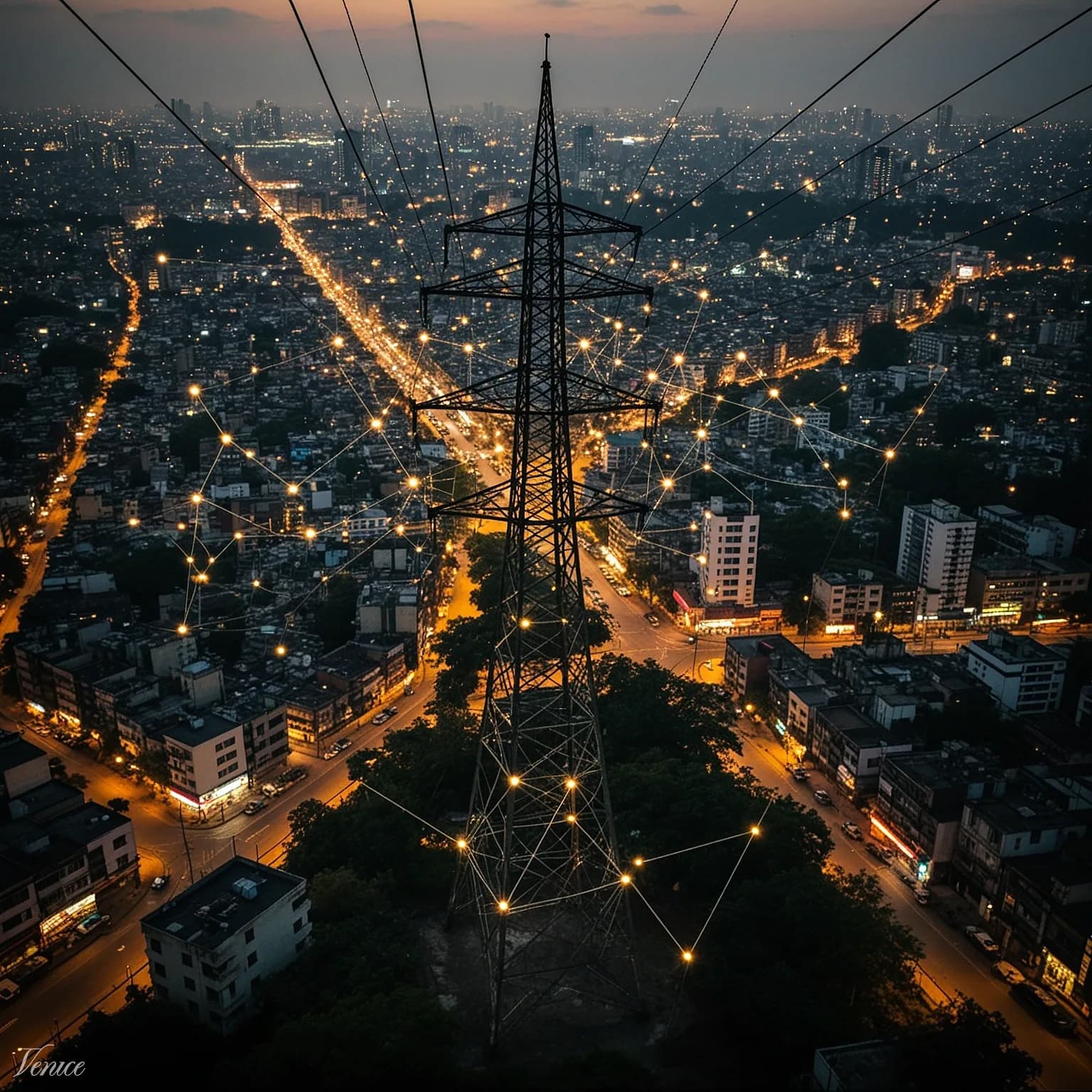
Maharashtra Drafts Policy to Tokenize State Assets
Maharashtra, India's richest state, is drafting a policy to tokenize its assets, including electricity transmission infrastructure, to fund new projects. This initiative aims to leverage blockchain technology to create liquidity and attract investment for critical infrastructure development. The move comes as part of a broader trend in India to explore innovative financial solutions for public infrastructure.
Why Tokenize State Assets?
Tokenization involves converting physical or financial assets into digital tokens on a blockchain, making them easier to trade and invest in. Maharashtra's electricity transmission infrastructure is a prime candidate for this process, as it can attract global investors looking for stable, income-generating assets. By tokenizing these assets, the state can raise funds without taking on additional debt, potentially speeding up infrastructure projects.
What This Means for Investors and Residents
For investors, this move opens up new opportunities to invest in Maharashtra's infrastructure projects. Tokenized assets can offer higher liquidity and potentially better returns compared to traditional investment vehicles. For residents, this could mean faster development of critical infrastructure, such as roads, hospitals, and schools, improving the overall quality of life.
Potential Challenges and Next Steps
While the tokenization of state assets presents significant opportunities, it also comes with challenges. Regulatory clarity is crucial, and Maharashtra will need to work closely with the Indian government to ensure compliance with existing financial laws. Additionally, the state will need to address concerns about transparency, security, and the potential for market manipulation. The next steps involve finalizing the policy and identifying the first set of assets to be tokenized, which could serve as a pilot for future projects.
Broader Implications for India and Beyond
Maharashtra's move could set a precedent for other Indian states and countries looking to leverage blockchain technology for infrastructure funding. It aligns with a global trend where governments and institutions are exploring tokenization as a means to unlock the value of illiquid assets. As more regions adopt this approach, it could lead to a more interconnected and efficient global financial system.
For more on how tokenization is being used in infrastructure projects, see our coverage on South Korea's plans to classify cryptocurrencies as national assets and Lombard Finance's move of Bitcoin assets from LayerZero to Chainlink.
Frequently asked questions
What is tokenization of assets?
Tokenization is the process of converting physical or financial assets into digital tokens on a blockchain, making them easier to trade and invest in.
Why is Maharashtra tokenizing its assets?
Maharashtra is tokenizing its assets to attract investment for infrastructure projects and create liquidity without taking on additional debt.
What are the potential benefits of tokenizing state assets?
Benefits include higher liquidity, better returns for investors, and faster development of critical infrastructure for residents.
What challenges does Maharashtra face in tokenizing its assets?
Challenges include ensuring regulatory compliance, addressing concerns about transparency, security, and potential market manipulation.