Solana Fees Hit Record as Validators Double Pace of Inflation Cuts
Solana's transaction fees have reached an all-time high while validators are cutting the supply of new SOL tokens twice as fast. This means less SOL will be available in the market, potentially increasing scarcity and value.
Key takeaways
- Solana transaction fees hit an all-time high.
- Validators doubled the pace of inflation cuts, reducing new SOL supply.
- Less new SOL entering the market could increase scarcity.
- High fees indicate strong demand for Solana's network services.
- Validators will earn less for the same work due to lower inflation.
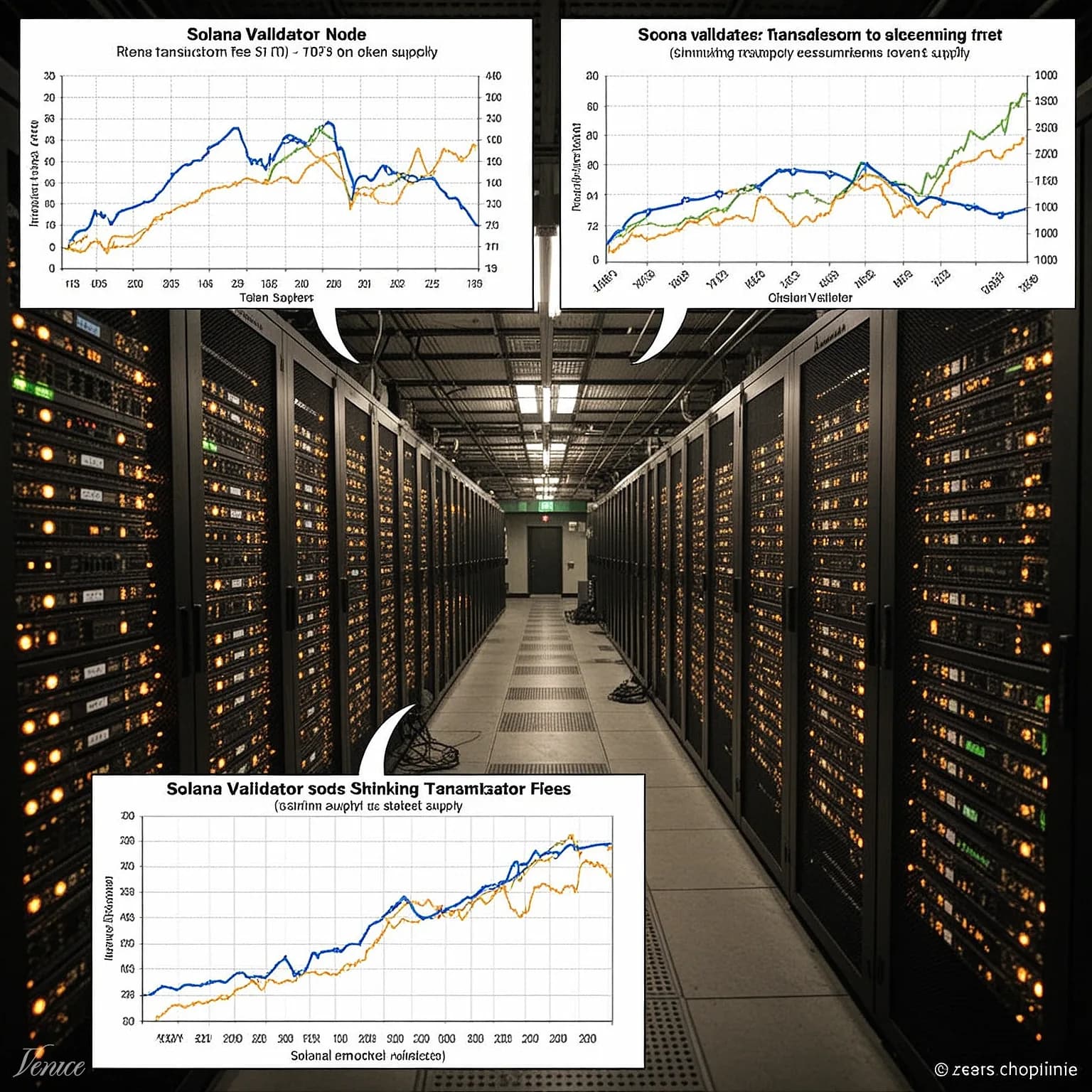
Solana's network has seen a significant surge in transaction fees, hitting a record high. At the same time, validators have accelerated the reduction of new SOL token supply, cutting inflation at double the previous pace. This dual development could have profound implications for the Solana ecosystem and its stakeholders.
Less New SOL, Higher Scarcity
The reduction in new SOL supply is a direct result of validators speeding up the inflation cuts. Validators are the nodes that maintain the Solana network and are rewarded with newly minted SOL tokens for their work. By cutting the inflation rate, less new SOL will enter the market each year. This reduction in supply could potentially increase the scarcity of SOL, which might drive up its value if demand remains steady or grows.
Why the Timing Matters
The timing of these changes is crucial. With transaction fees at an all-time high, it indicates a high demand for Solana's network services. This increased demand, coupled with a reduced supply of new SOL, could create a bullish scenario for the token's price. However, it also means that validators will earn less for the same amount of work, which could impact their incentives to maintain the network.
What It Means for You
If you hold SOL or are considering investing in it, this news could be significant. The reduced supply of new SOL, combined with high transaction fees, suggests a potential increase in the token's value. However, it's important to monitor the network's health and validator participation. If validators become less incentivized, it could affect the network's stability and performance. Keep an eye on Solana's developer updates and community discussions for more insights.
Additionally, this development fits into a wider pattern in the crypto space where networks are increasingly focusing on sustainability and long-term value. Other blockchains have also implemented similar measures to control inflation and increase scarcity, which has often led to positive price movements.
What to Watch Next
- Validator Participation: Monitor the number of active validators and their earnings. A drop in participation could signal potential issues.
- Transaction Fees: Keep an eye on transaction fee trends. A sustained high fee environment could indicate continued demand.
- Network Upgrades: Stay updated on any upcoming network upgrades or changes that could affect SOL's supply or demand.
Frequently asked questions
What are Solana validators?
Validators are nodes that maintain the Solana network by processing transactions and securing the blockchain. They are rewarded with newly minted SOL tokens for their work.
How does reducing SOL's inflation rate affect its price?
Reducing the inflation rate decreases the supply of new SOL tokens, which can increase scarcity and potentially drive up the token's value if demand remains steady or grows.
What should SOL holders watch for next?
SOL holders should monitor validator participation, transaction fee trends, and any upcoming network upgrades that could affect SOL's supply or demand.
Live on-chain data from our sister sites: