Tokenized Stock Holders More Than Double as Monthly Volume Surges 179%
Tokenized equities reached 1.31 million holders over the past month, as monthly transfer volume surged 179% to $23.13 billion and distributed value rose 5.9% to $2.38 billion.
Key takeaways
- Tokenized equities reached 1.31 million holders, more than doubling from the prior month.
- Monthly transfer volume surged 179% to $23.13 billion.
- Distributed value of tokenized equities rose 5.9% to $2.38 billion.
- Tokenized stocks offer 24/7 trading, fractional ownership, and global accessibility.
- Regulatory developments and institutional adoption will shape the sector's future.
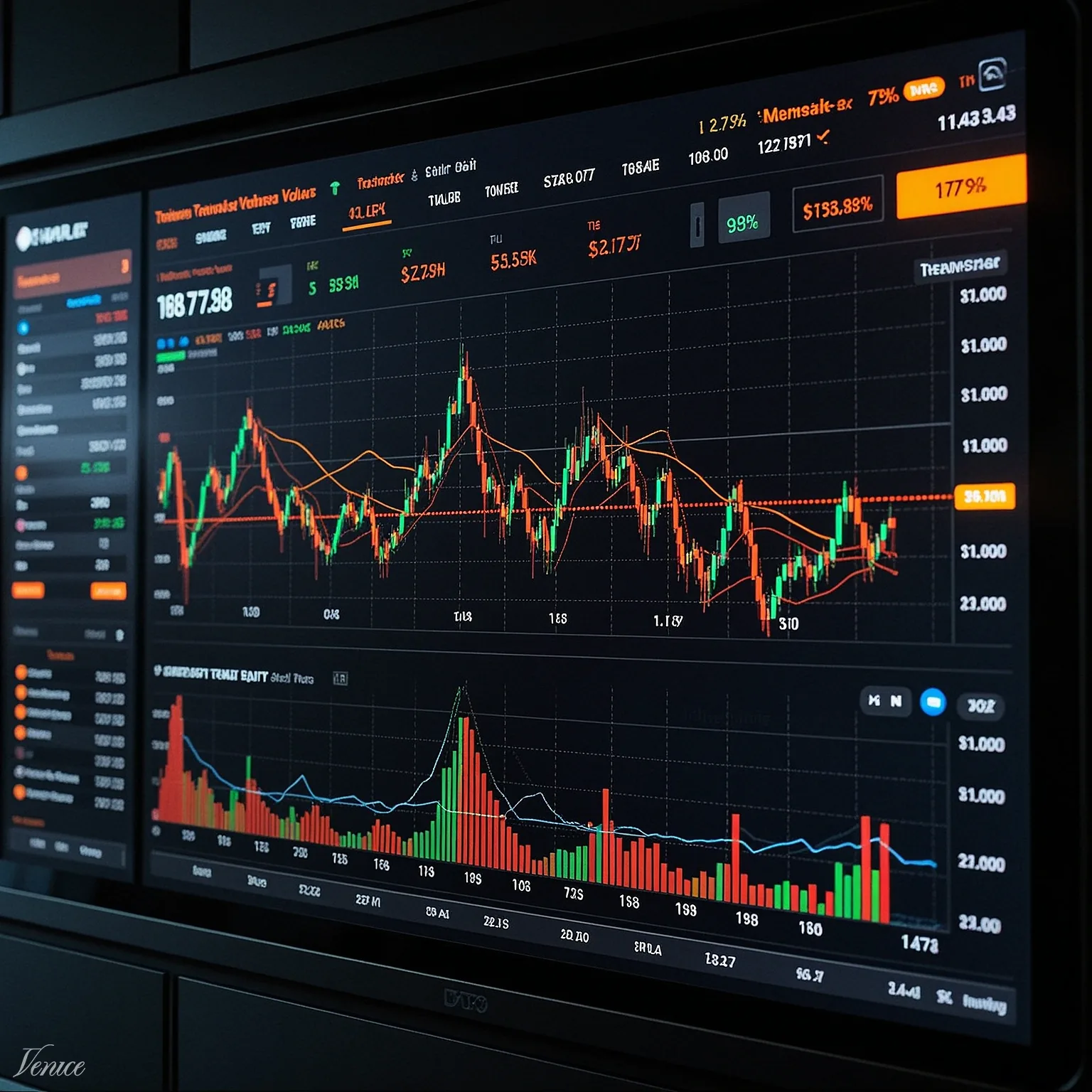
Tokenized stocks have seen a remarkable surge in popularity, with the number of holders more than doubling to 1.31 million over the past month. Monthly transfer volume skyrocketed by 179%, reaching $23.13 billion, while the distributed value of these tokenized equities rose by 5.9% to $2.38 billion. This growth underscores the growing appeal of blockchain-based equity trading, offering investors new ways to access and trade traditional stocks.
Why the Timing Matters
The surge in tokenized stock activity comes as traditional financial markets face increased volatility and regulatory scrutiny. The ability to trade tokenized equities on blockchain platforms offers several advantages, including 24/7 trading, fractional ownership, and global accessibility. These features are particularly appealing to investors looking for more flexible and inclusive investment options.
What It Means for Everyday Investors
For everyday investors, the growth of tokenized stocks means greater access to a wider range of assets. Tokenized equities allow investors to buy and sell fractions of stocks, making it easier to diversify their portfolios without needing large sums of capital. Additionally, the blockchain technology behind these assets ensures transparency and security, reducing the risk of fraud and manipulation.
What to Watch Next
Investors should keep an eye on regulatory developments, as governments around the world are still figuring out how to oversee tokenized assets. The Securities and Exchange Commission (SEC) and other regulatory bodies are likely to issue more guidelines in the coming months, which could impact the market. Additionally, the continued adoption of tokenized stocks by major financial institutions will be a key indicator of the sector's long-term viability.
Broader Context
This surge in tokenized stock activity fits into a wider pattern of increasing interest in blockchain-based financial products. Over the past year, we've seen a significant rise in the tokenization of real-world assets, including real estate, commodities, and even art. This trend is part of a broader shift towards decentralized finance (DeFi), which aims to make financial services more accessible and efficient.
Unlike traditional stocks, tokenized equities are not bound by the operating hours of traditional stock exchanges. This means investors can trade these assets at any time, providing greater flexibility and liquidity. Additionally, the use of smart contracts ensures that trades are executed automatically and securely, reducing the need for intermediaries and lowering transaction costs.
Frequently asked questions
What are tokenized stocks?
Tokenized stocks are digital representations of traditional stocks issued and traded on blockchain platforms. They offer fractional ownership, 24/7 trading, and global accessibility.
How do tokenized stocks differ from traditional stocks?
Tokenized stocks can be traded anytime, offer fractional ownership, and are secured by blockchain. Traditional stocks trade on specific exchanges during set hours and follow different regulatory frameworks.
What are the risks of tokenized stocks?
Risks include regulatory uncertainty, market volatility, and potential technical issues with blockchain platforms. Investors should conduct thorough research before investing.
How can I invest in tokenized stocks?
You need a platform that supports tokenized equities, such as Binance or FTX. Ensure the platform is reputable and compliant with relevant regulations.