El Salvador’s Bitcoin Experiment at 5 Years: Mixed Results for Citizens, Big Boost for Crypto
Five years after El Salvador made Bitcoin legal tender, the experiment has fallen short of its original promises for locals, but it’s been great for Bitcoin’s global profile.
Key takeaways
- El Salvador’s Bitcoin experiment hasn’t significantly improved financial inclusion for locals.
- The country’s Bitcoin bonds raised $1.8 billion but haven’t fully delivered on promised projects.
- Bitcoin’s global profile has been boosted by El Salvador’s adoption.
- President Nayib Bukele remains committed to Bitcoin despite mixed results.
- The experiment serves as a case study in the challenges of national cryptocurrency adoption.
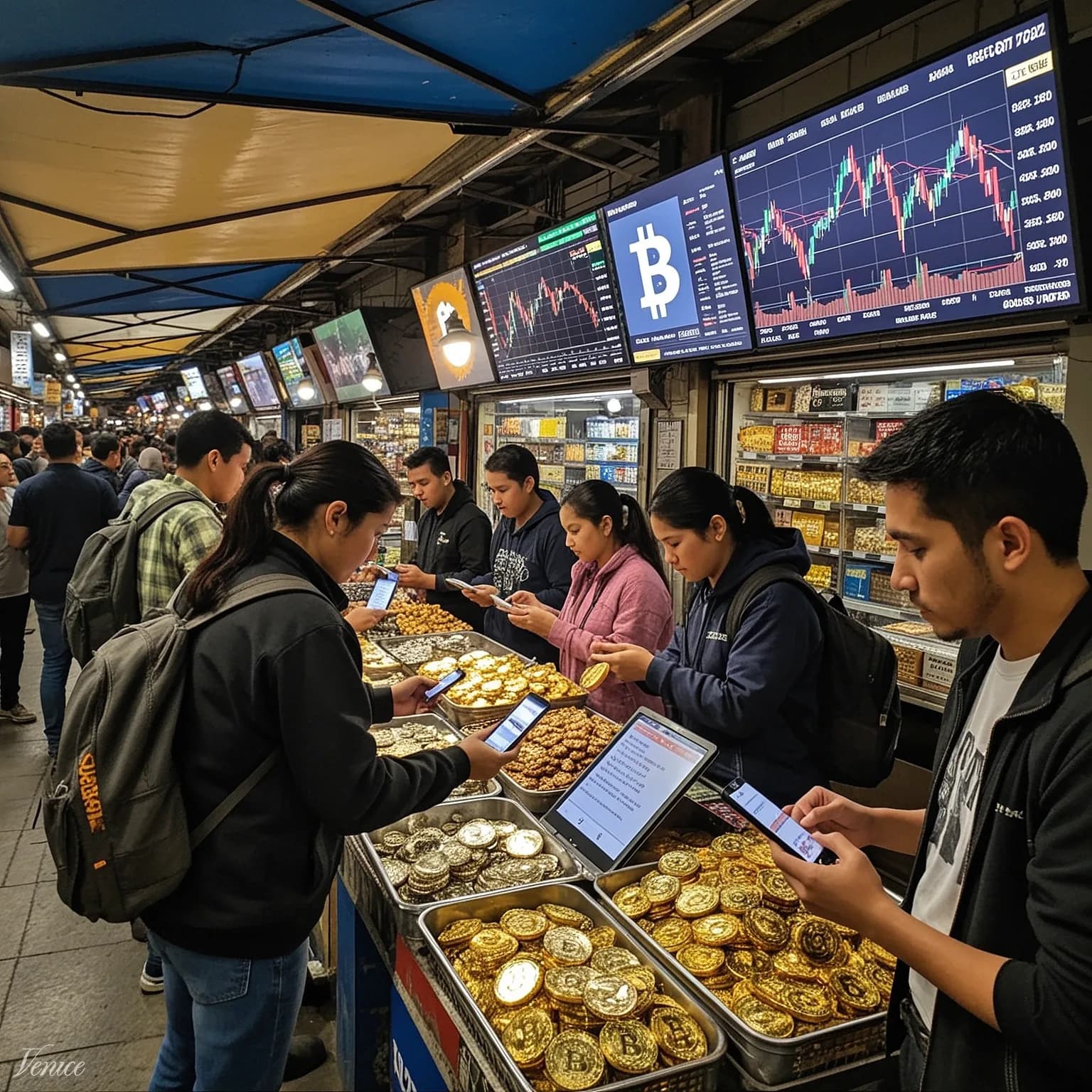
Five years after El Salvador made Bitcoin legal tender, the results are a mix of disappointment and unexpected benefits. While the experiment hasn’t dramatically improved financial inclusion for locals, it has significantly boosted Bitcoin’s global profile. The country’s Bitcoin bonds, introduced in 2024, have raised $1.8 billion, but many promised infrastructure projects remain unfinished.
What’s Worked for Bitcoin, Not Necessarily for Salvadorans
The experiment has been a double-edged sword. Bitcoin’s global recognition has surged, partly due to El Salvador’s bold move. However, for many Salvadorans, the practical benefits have been limited. President Nayib Bukele initially promised that Bitcoin adoption would reduce reliance on the U.S. dollar and create jobs, but these promises remain largely unfulfilled. The volatility of Bitcoin has also made it a risky choice for daily transactions, especially for those living paycheck to paycheck.
The Bitcoin Bonds: A Financial Lifeline or a Missed Opportunity?
El Salvador’s Bitcoin bonds, launched in 2024, were intended to fund infrastructure projects and attract foreign investment. The bonds raised $1.8 billion, but critics argue that the funds haven’t been used as effectively as promised. Some projects, like the planned Bitcoin City, remain on the drawing board. Meanwhile, the country’s debt has increased, raising concerns about the long-term financial health of the nation.
What’s Next for El Salvador and Bitcoin?
As El Salvador looks to the future, the focus seems to be on maintaining its status as a Bitcoin-friendly nation rather than delivering on initial promises. The country continues to hold a significant amount of Bitcoin, and President Bukele has indicated that he remains committed to the experiment. For crypto enthusiasts, El Salvador’s journey serves as a case study in the challenges and opportunities of national-level cryptocurrency adoption. For Salvadorans, the hope is that future efforts will bring more tangible benefits.
One thing is clear: El Salvador’s Bitcoin experiment has changed the global conversation about cryptocurrency. Whether it will ultimately benefit the country’s citizens remains to be seen.
Frequently asked questions
What was the main goal of El Salvador’s Bitcoin experiment?
The main goal was to reduce reliance on the U.S. dollar, create jobs, and improve financial inclusion through Bitcoin adoption.
How much money did El Salvador raise through Bitcoin bonds?
El Salvador raised $1.8 billion through Bitcoin bonds launched in 2024.
What are the biggest criticisms of El Salvador’s Bitcoin experiment?
Critics argue that the experiment hasn’t delivered on promises of financial inclusion and infrastructure projects.
What is the status of Bitcoin City in El Salvador?
The planned Bitcoin City remains unfinished, despite funds raised through Bitcoin bonds.