Coldcard Exploit Could Boost Demand for Regulated Bitcoin Products, Analysts Say
A security flaw in the Coldcard hardware wallet has analysts at Cantor Fitzgerald and FRNT Financial predicting increased demand for regulated bitcoin products, potentially benefiting custody providers and bitcoin ETFs as investors seek safer alternatives.
Key takeaways
- Coldcard hardware wallet exploit allows attackers to bypass security and steal funds.
- Cantor Fitzgerald sees positive read-through for crypto custody providers.
- FRNT Financial says the breach could drive some investors toward bitcoin ETFs.
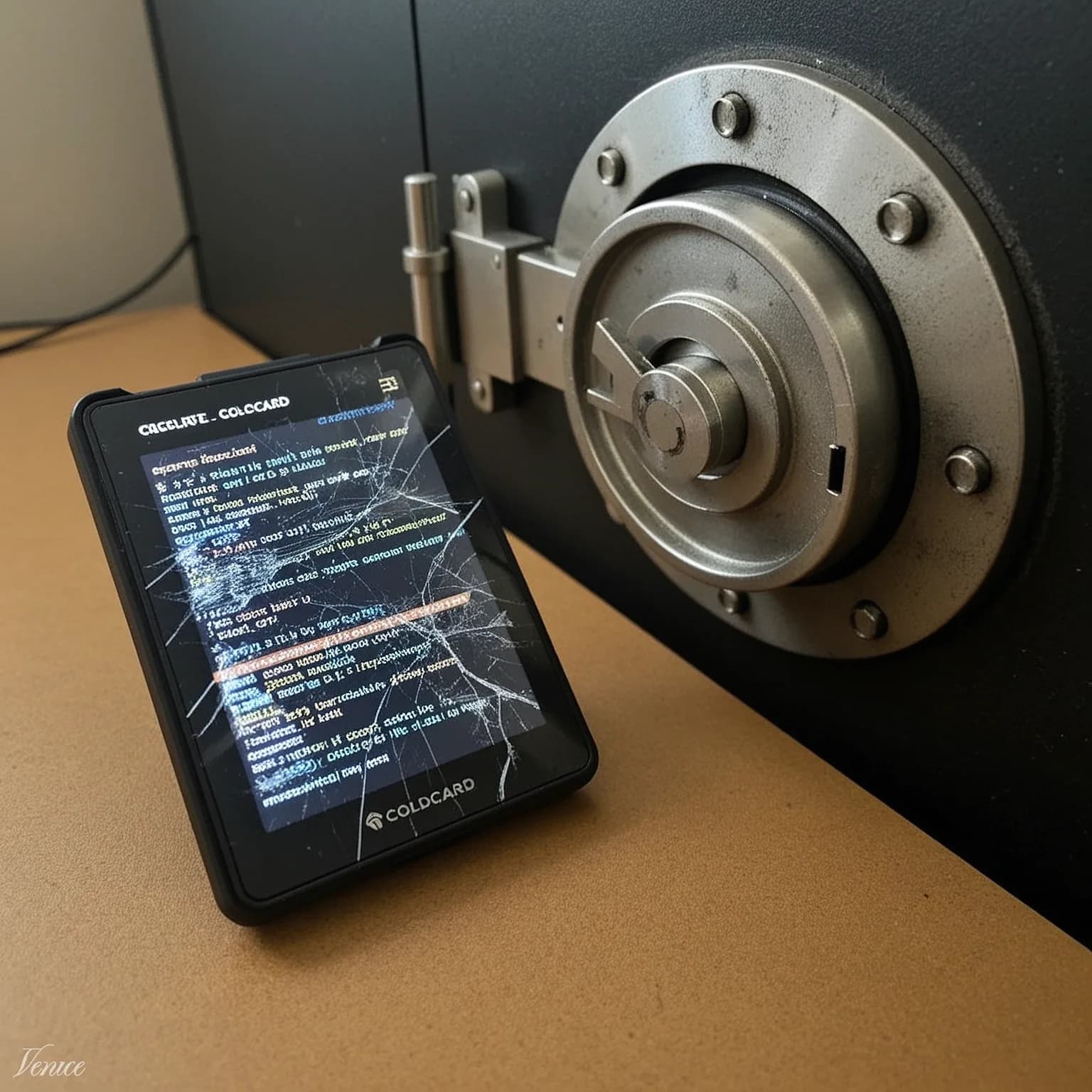
A recently discovered exploit in the Coldcard hardware wallet has sent ripples through the bitcoin community, with analysts suggesting it could drive demand for regulated bitcoin exposure. The vulnerability, which allows attackers to bypass security measures and steal funds, has raised concerns about the safety of self-custody solutions.
Why the Timing Matters
The exploit comes at a time when institutional interest in bitcoin is growing, and the demand for secure, regulated products is on the rise. Analysts at Cantor Fitzgerald and FRNT Financial have both noted that this incident could accelerate the shift toward custody services and bitcoin exchange-traded funds (ETFs).
Cantor Fitzgerald, in a recent report, highlighted that the breach could serve as a positive read-through for crypto custody providers. These services offer institutional-grade security and compliance, making them an attractive alternative for investors wary of self-custody risks. Similarly, FRNT Financial suggested that the exploit might push some investors toward bitcoin ETFs, which provide exposure to bitcoin without the need to manage private keys.
What It Means for Investors
For individual investors, this news underscores the importance of choosing reliable and secure storage solutions. While hardware wallets like Coldcard are generally considered secure, this exploit serves as a reminder that no solution is foolproof. Investors may want to consider diversifying their storage methods or opting for regulated custody services to mitigate risks.
For institutional investors, the exploit could reinforce the trend toward regulated products. Bitcoin ETFs, which have seen significant inflows in recent months, offer a way to gain exposure to bitcoin without the complexities of self-custody. This could lead to increased demand for these products as more investors seek safer alternatives.
What to Watch Next
- Regulated Custody Services: Keep an eye on the performance of crypto custody providers in the coming months. Increased demand could lead to new offerings and enhanced security measures.
- Bitcoin ETF Flows: Monitor the inflows into bitcoin ETFs. A surge in demand could indicate a broader shift toward regulated products.
- Hardware Wallet Updates: Watch for updates from Coldcard and other hardware wallet providers. Patches and security enhancements could restore confidence in self-custody solutions.
This exploit also fits into a wider pattern of security concerns in the crypto space. Recent high-profile hacks and exploits have highlighted the need for robust security measures and regulatory oversight. As the industry matures, investors are likely to prioritize safety and compliance over convenience.
Frequently asked questions
What is the Coldcard exploit?
The exploit allows attackers to bypass security measures on the Coldcard hardware wallet, potentially leading to the theft of funds.
How does this affect bitcoin ETFs?
The exploit could drive more investors toward bitcoin ETFs as they seek safer, regulated alternatives to self-custody.
What should investors do in response to this exploit?
Investors may want to consider diversifying their storage methods or opting for regulated custody services to mitigate risks.