Kenya Moves 30M Academic Records to Avalanche Blockchain
Kenya is using the Avalanche blockchain to store and verify 30 million academic credentials, aiming to combat forgery. This initiative allows employers and universities to instantly authenticate degrees and certificates onchain.
Key takeaways
- Kenya has moved 30 million academic credentials onto the Avalanche blockchain.
- The initiative aims to reduce forged academic certificates by enabling onchain verification.
- Employers and universities can instantly authenticate degrees and certificates onchain.
- This move highlights the growing trend of governments adopting blockchain for verification.
- Students and employers in Kenya will benefit from a more secure and efficient verification process.
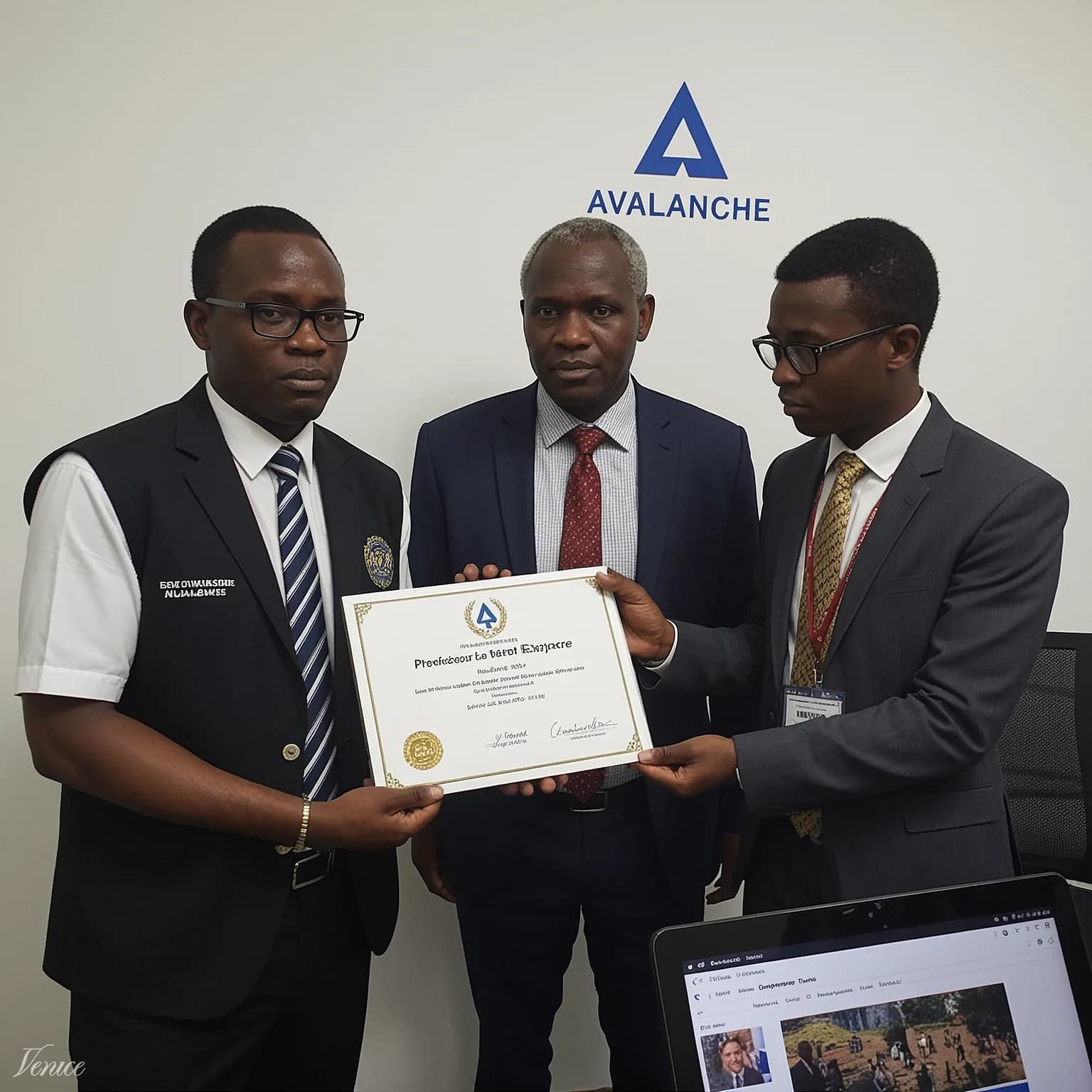
Kenya has launched a new digital verification platform that moves 30 million academic credentials onto the Avalanche blockchain. The initiative is designed to reduce the prevalence of forged academic certificates by enabling employers and universities to authenticate records onchain. This move marks a significant step in leveraging blockchain technology to enhance transparency and trust in academic verification.
How the Blockchain Verification Works
The platform allows academic institutions to upload verified credentials directly to the Avalanche blockchain. Once uploaded, these records are immutable and can be accessed by employers and other institutions to confirm the authenticity of degrees and certificates. This process eliminates the need for physical verification, reducing the time and resources required to validate academic records.
Why the Timing Matters
Kenya's decision to adopt blockchain technology for academic verification comes at a critical time. The country has faced significant challenges with forged academic certificates, which can undermine the integrity of its education system and job market. By moving these records onchain, Kenya aims to create a more secure and efficient verification process that benefits both students and employers.
What It Means for You
If you are a student, graduate, or employer in Kenya, this initiative could significantly impact how academic credentials are verified. Students can benefit from a more secure way to present their qualifications, while employers can quickly and accurately verify the credentials of job applicants. This could lead to a more trustworthy job market and improved opportunities for those with legitimate qualifications.
For those outside Kenya, this move highlights the growing trend of governments and institutions adopting blockchain technology to solve real-world problems. It serves as an example of how blockchain can be used to enhance transparency and security in critical sectors like education.
What to Watch Next
Watch for the rollout of similar initiatives in other countries. As blockchain technology continues to gain traction, more governments may follow Kenya's lead in using it to verify academic and professional credentials. Keep an eye on announcements from other African nations and beyond, as this could signal a broader shift toward blockchain-based verification systems.
Frequently asked questions
What is the purpose of moving academic credentials to the blockchain?
The purpose is to reduce the prevalence of forged academic certificates by enabling instant and secure verification of credentials onchain.
How does the blockchain verification process work?
Academic institutions upload verified credentials to the Avalanche blockchain, making them immutable and accessible for verification by employers and other institutions.
What are the benefits for students and employers?
Students benefit from a more secure way to present their qualifications, while employers can quickly and accurately verify the credentials of job applicants.
Are other countries likely to follow Kenya's lead?
As blockchain technology gains traction, more governments may adopt similar initiatives to verify academic and professional credentials.