US Treasury Sanctions Iranian Firms Taking Bitcoin for Hormuz Passage
OFAC sanctioned two Iranian firms including Hormuz Safe, which accepts payment in Bitcoin and other digital assets for passage through the Strait of Hormuz.
Key takeaways
- OFAC sanctioned two Iranian firms including Hormuz Safe for accepting Bitcoin.
- Hormuz Safe accepts crypto payments for passage through the Strait of Hormuz.
- The sanctions freeze US-based assets and prohibit transactions with the firms.
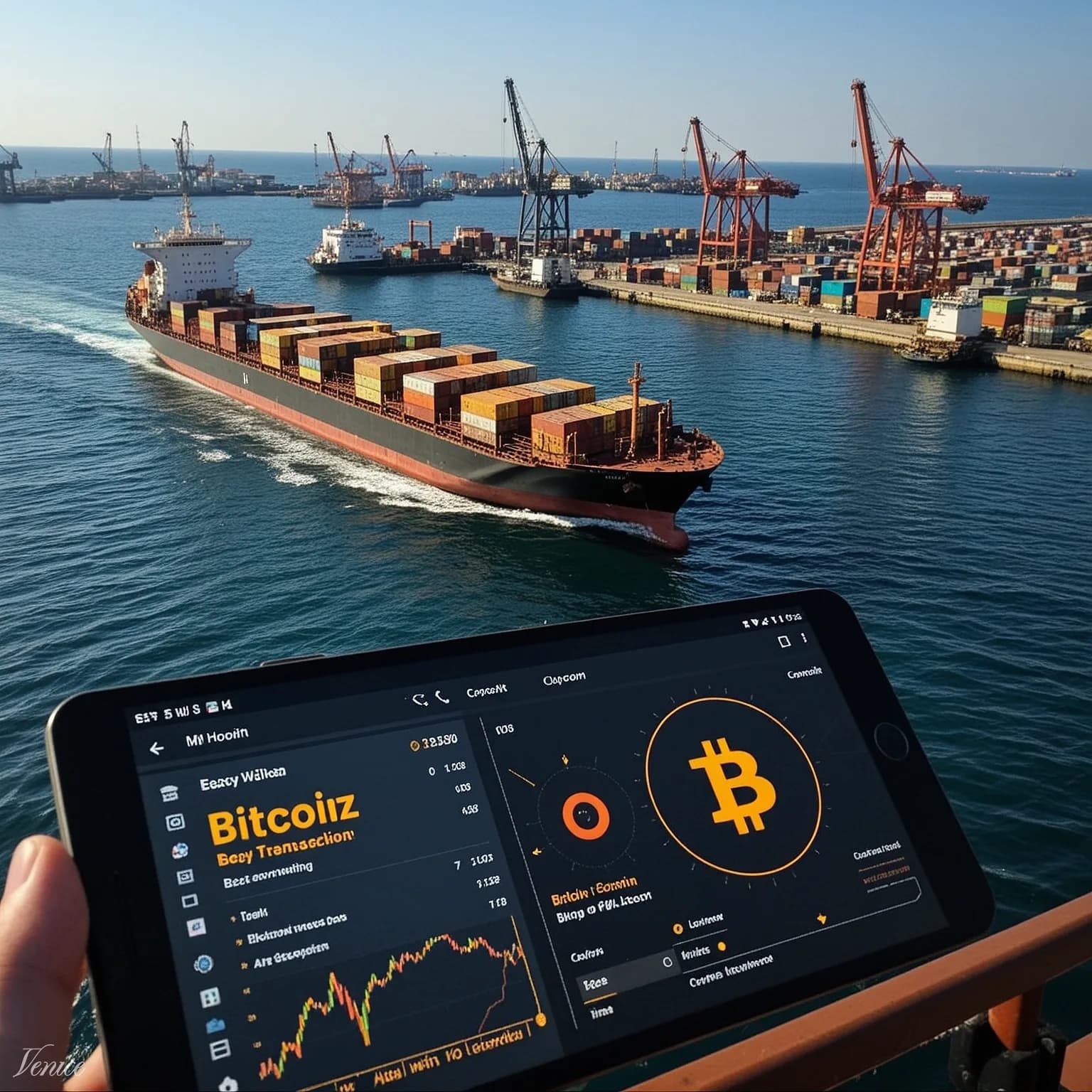
The US Treasury Department has imposed sanctions on two Iranian firms, Hormuz Safe and its parent company, for accepting Bitcoin and other digital assets. These sanctions are part of a broader effort to disrupt financial activities in the region, particularly those involving the Strait of Hormuz, a vital shipping lane for global oil supplies.
## What Happened? The Treasury's Office of Foreign Assets Control (OFAC) announced the sanctions on July 31, 2026. Hormuz Safe is accused of facilitating payments in cryptocurrencies for services related to the safe passage of vessels through the Strait of Hormuz. The sanctions freeze any US-based assets of the companies and prohibit US individuals and entities from engaging in transactions with them.
## Why the Timing Matters The Strait of Hormuz is a critical choke point for global oil shipments, with about 20% of the world's oil passing through it. The US Treasury's actions are likely aimed at curbing Iran's ability to circumvent traditional financial sanctions by using cryptocurrencies. This move comes amid heightened tensions in the region and ongoing efforts to control the flow of funds to sanctioned entities.
## What It Means for You If you hold or trade cryptocurrencies, it's essential to be aware of these sanctions. Engaging in transactions with sanctioned entities can result in severe legal consequences. The Treasury's actions highlight the increasing scrutiny of cryptocurrency transactions by regulatory bodies, emphasizing the need for due diligence in the crypto space.
## What to Watch Next The crypto community should monitor how these sanctions impact the broader use of digital assets in sanctioned regions. The Treasury's actions could set a precedent for future sanctions targeting cryptocurrency transactions. Additionally, exchanges and wallet providers may need to enhance their compliance measures to avoid facilitating transactions with sanctioned entities.
One notable aspect of this story is the broader pattern of governments using sanctions to target cryptocurrency activities. This follows a series of similar actions by the US and other countries, indicating a growing trend of regulatory oversight in the crypto space. For everyday users, this means being extra vigilant about who you transact with and ensuring compliance with international sanctions.
Frequently asked questions
What is the Strait of Hormuz?
The Strait of Hormuz is a critical maritime route through which about 20% of the world's oil passes. It connects the Persian Gulf to the open ocean.
Why did the US Treasury impose these sanctions?
The sanctions target companies facilitating payments in cryptocurrencies for services related to the safe passage of vessels through the Strait of Hormuz.
What should crypto users do to comply with these sanctions?
Crypto users should avoid engaging in transactions with sanctioned entities and ensure compliance with international sanctions to avoid legal consequences.