Tether Posts $1.5B Operating Profit in Q2 as Reserve Buffer Falls by Half
Tether, the company behind the USDT stablecoin, reported a $1.5 billion operating profit for Q2 2026. However, its reserve buffer fell by half, raising questions about its financial stability. The company added 14 metric tons of gold and 1,800 bitcoin to its reserves during the quarter.
Key takeaways
- Tether reported a $1.5 billion operating profit for Q2 2026.
- Tether's reserve buffer fell by half during the same period.
- The company added 14 metric tons of gold and 1,800 bitcoin to its reserves.
- Regulatory scrutiny of stablecoins is increasing in the US and Europe.
- USDT users should monitor Tether's reserve buffer and regulatory developments.
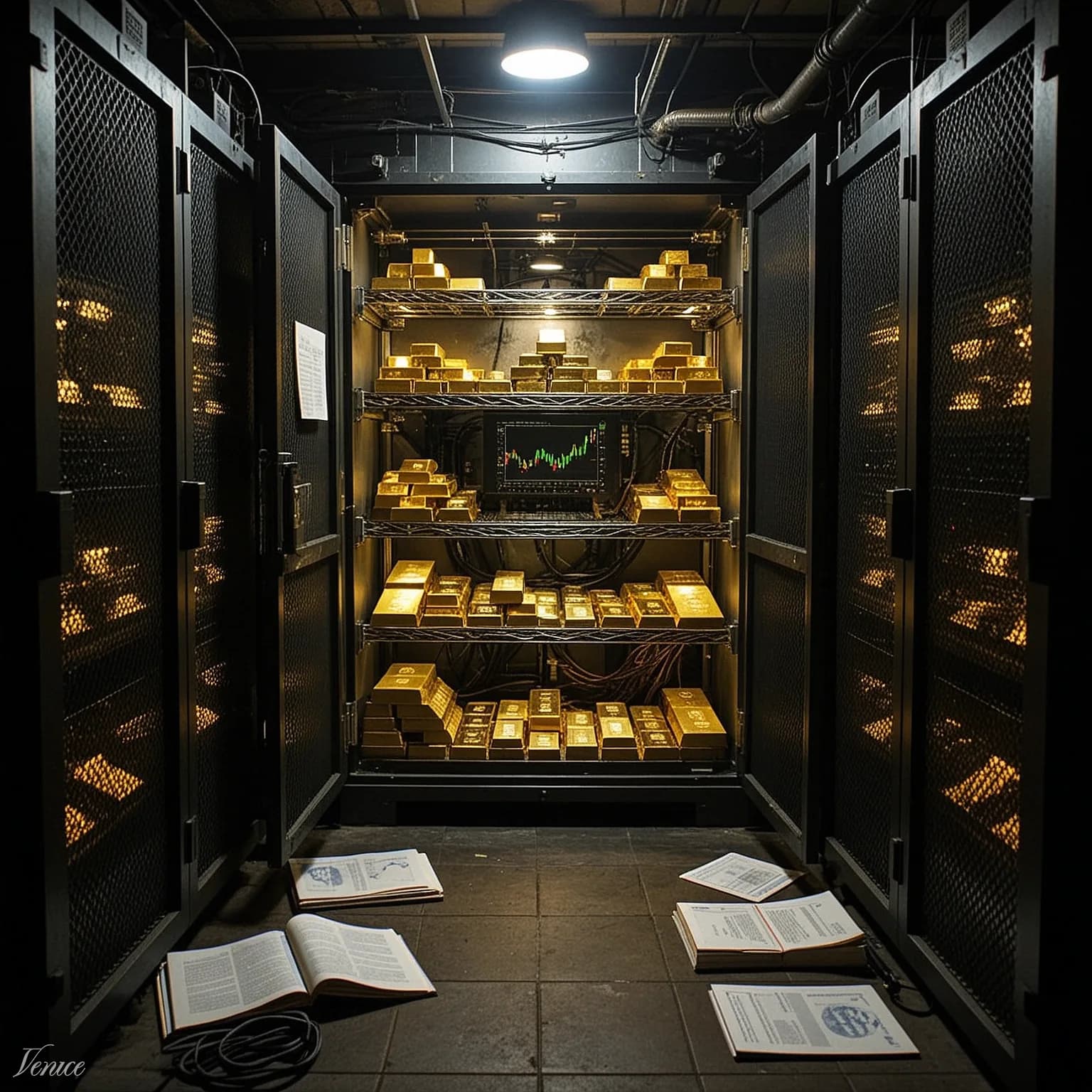
Tether, the issuer of the world's largest stablecoin USDT, reported a $1.5 billion operating profit for the second quarter of 2026. Despite this strong profit, the company's reserve buffer fell by half, sparking concerns about its financial stability. Tether also announced it had added 14 metric tons of gold and approximately 1,800 bitcoin to its reserves during the quarter.
## Reserve Buffer Decline Raises Stability Questions A reserve buffer is the excess amount of reserves a stablecoin issuer holds above the value of the stablecoins in circulation. This buffer is crucial for maintaining the stability of the stablecoin, as it provides a safety net in case of sudden redemptions or market downturns. Tether's reserve buffer has historically been a point of scrutiny, with critics arguing that it is not sufficient to cover all potential risks.
## Regulatory Scrutiny Intensifies Tether's reserve buffer decline comes at a time when the stablecoin market is facing increased regulatory scrutiny. In recent months, regulators in the United States and Europe have been looking more closely at stablecoin issuers, with some calling for stricter reserve requirements. The timing of Tether's announcement could be seen as an attempt to reassure investors and regulators about its financial health, despite the decline in its reserve buffer.
## Implications for USDT Users For users of Tether's USDT stablecoin, the news of a $1.5 billion profit might seem positive. However, the decline in the reserve buffer is a cause for concern. Stablecoins are designed to maintain a stable value, typically pegged to the US dollar. A decline in reserves could potentially lead to a depegging event, where the stablecoin's value deviates from its peg. This could result in losses for users who hold USDT.
## Key Factors to Monitor Investors and users should keep an eye on Tether's reserve buffer and any further announcements from the company. Regulatory developments will also be crucial to watch, as any new requirements could impact Tether's operations. Additionally, the performance of the assets Tether has added to its reserves, such as gold and bitcoin, will be important to monitor. If the value of these assets declines, it could further erode Tether's reserve buffer.
## Tether's History of Reserve Controversy This is not the first time Tether has faced scrutiny over its reserves. In 2023, the company settled with the New York Attorney General's office over allegations of misleading statements about its reserves. The company has since been more transparent about its reserve holdings, but questions about its financial stability continue to linger. The recent addition of gold and bitcoin to its reserves is part of a broader trend in the stablecoin industry, as issuers seek to diversify their holdings and reduce reliance on traditional cash reserves.
Frequently asked questions
What is a reserve buffer for a stablecoin?
A reserve buffer is the excess amount of reserves a stablecoin issuer holds above the value of the stablecoins in circulation. It acts as a safety net to maintain the stablecoin's peg during sudden redemptions or market downturns.
Why did Tether's reserve buffer decline in Q2 2026?
The source does not specify the exact reason for the decline. Possible factors include increased redemptions or changes in the value of reserve assets. The buffer fell by half during the quarter.
What assets did Tether add to its reserves in Q2 2026?
Tether added 14 metric tons of gold and approximately 1,800 bitcoin to its reserves during the second quarter of 2026.
How does regulatory scrutiny affect Tether?
Increased regulatory scrutiny in the US and Europe could lead to stricter reserve requirements for stablecoin issuers, which might impact Tether's operations and financial stability.