Circle Secures New York Trust Charter, Expanding Crypto Services
Circle, the company behind the USDC stablecoin, has received a trust charter from New York. This allows them to offer fiduciary and custody services, a significant step in the growing regulatory acceptance of crypto.
Key takeaways
- Circle received a trust charter from New York State, issued by NYDFS.
- The charter allows Circle to offer fiduciary and custody services.
- This approval enhances the regulatory framework for USDC transactions.
- The move signals growing acceptance of crypto within traditional finance.
- Circle is expected to expand services and attract institutional clients.
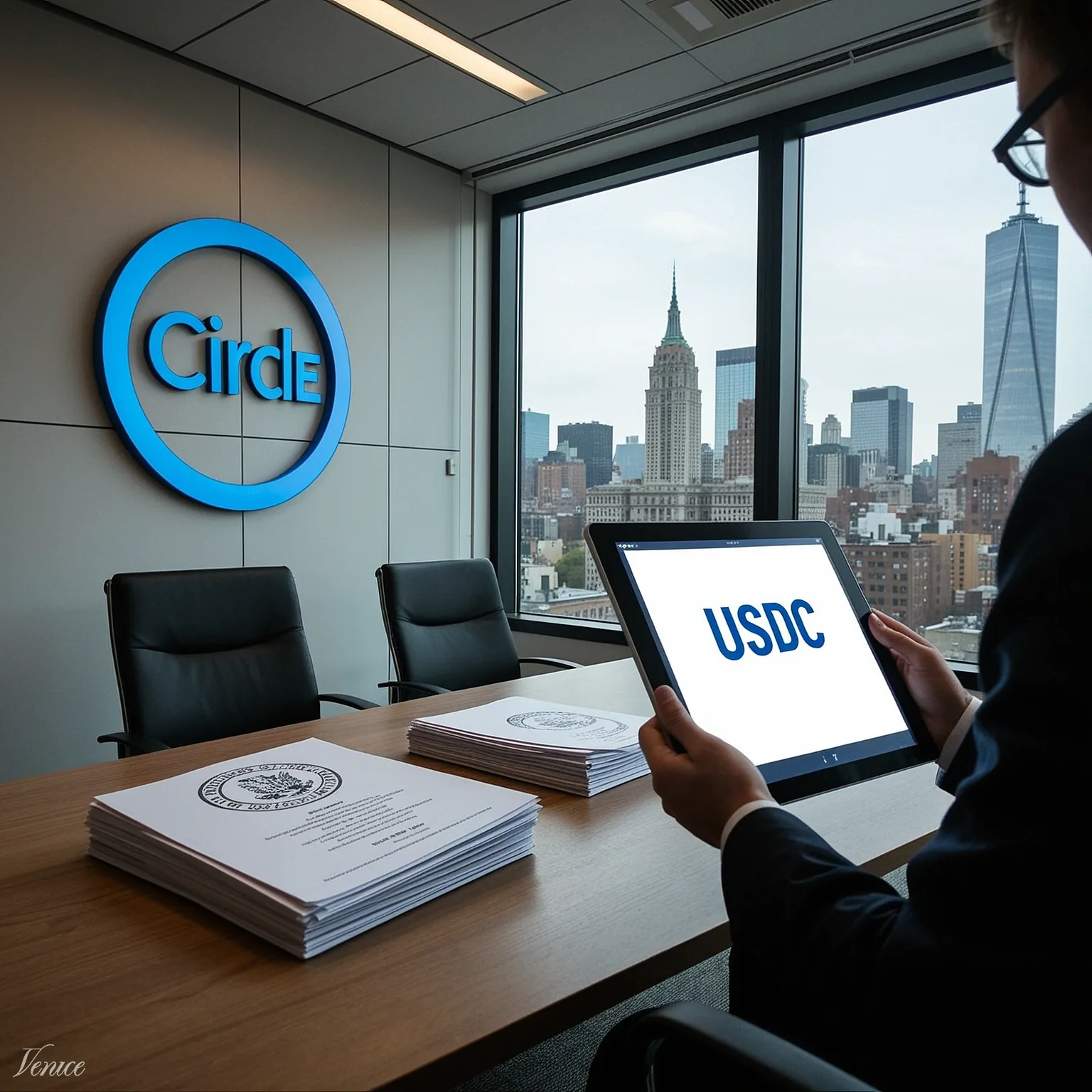
Circle, the issuer of the popular USDC stablecoin, has been granted a trust charter by New York State. This approval allows Circle to offer fiduciary and custody services under New York banking law, marking a significant milestone in the company's regulatory journey.
What does this charter allow Circle to do?
The trust charter enables Circle to provide a range of financial services, including acting as a fiduciary and offering custody services. This means Circle can now hold and manage assets on behalf of clients, providing a more secure and regulated environment for crypto transactions. The charter is issued by the New York State Department of Financial Services (NYDFS), which oversees financial institutions in the state.
Why does this matter for crypto regulation?
This approval comes at a time when regulatory clarity for crypto is accelerating. The NYDFS's decision to grant Circle a trust charter signals growing acceptance of crypto companies within traditional financial frameworks. It also sets a precedent for other crypto firms seeking similar approvals, potentially paving the way for more regulated and secure crypto services.
What does this mean for USDC users?
For users of USDC, this charter enhances the stability and security of the stablecoin. With Circle now operating under a trust charter, USDC transactions may become even more reliable and trustworthy. This could also attract more institutional investors to USDC, as the charter provides an additional layer of regulatory oversight.
Additionally, this move aligns with Circle's broader strategy to integrate more deeply with traditional financial systems. By offering fiduciary and custody services, Circle can cater to a wider range of clients, including institutions that require regulated custodial solutions.
What's next for Circle and USDC?
Circle is likely to leverage this charter to expand its service offerings and attract more institutional clients. The company may also seek similar approvals in other jurisdictions, further solidifying its position in the crypto market. For users, this means more secure and regulated options for managing their crypto assets.
How does this fit into the wider crypto news?
This development is part of a broader trend of increasing regulatory acceptance of crypto. Recent months have seen other major crypto firms receiving similar approvals, indicating a shift towards more regulated and secure crypto services. This trend is crucial for the long-term stability and growth of the crypto market, as it provides a more secure environment for both retail and institutional investors.
Frequently asked questions
What is a trust charter?
A trust charter is a regulatory approval that allows a company to act as a fiduciary and offer custody services, holding and managing assets on behalf of clients.
How does this charter affect USDC users?
The charter enhances the stability and security of USDC transactions, making them more reliable and trustworthy for users.
What does this mean for the broader crypto market?
This approval signals growing regulatory acceptance of crypto, potentially paving the way for more regulated and secure crypto services.
What services can Circle now offer with this charter?
Circle can now offer fiduciary and custody services, including holding and managing assets on behalf of clients.