Institutional Crypto Trading Hits Record 72% as Wall Street Tames Volatility
Institutions now account for 72% of crypto trading, reducing market volatility and driving growth in tokenized assets. This shift signals growing mainstream acceptance of digital assets as a stable investment class.
Key takeaways
- Institutions now account for 72% of crypto trading, reducing market volatility.
- Tokenized assets are seeing significant growth due to institutional demand.
- The shift signals growing mainstream acceptance of crypto as a stable investment class.
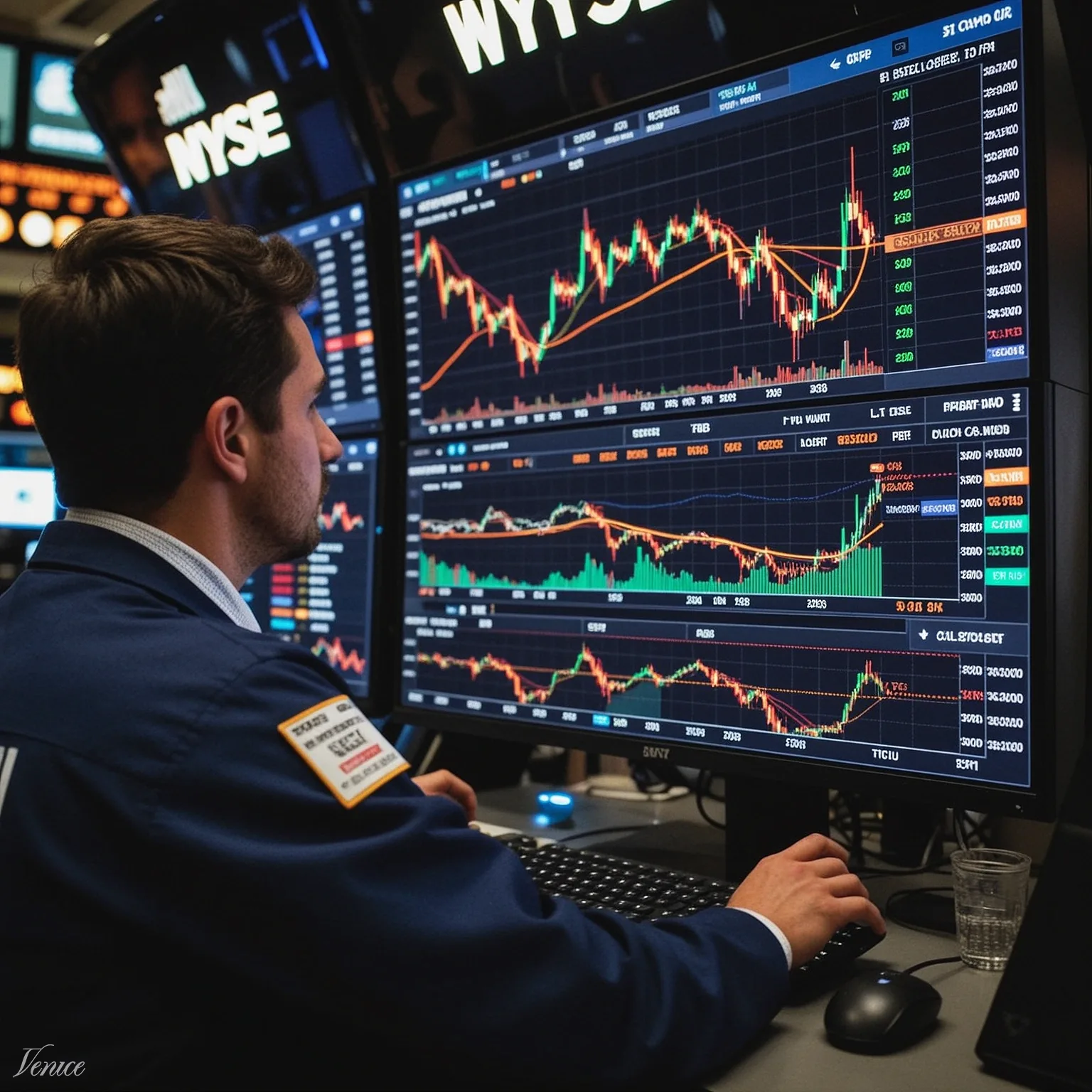
A new report from market maker Wintermute reveals that institutional investors now dominate crypto trading, making up 72% of all activity. This surge in institutional participation has led to lower market volatility and a more selective approach to altcoin investments, as well as significant growth in tokenized assets.
What Changed in the Market?
The report highlights that institutions are increasingly viewing crypto as a stable asset class rather than a speculative one. This shift is evident in the reduced volatility of major cryptocurrencies like Bitcoin and Ethereum, which have seen more predictable price movements in recent months. Institutions are also driving demand for tokenized assets, which represent real-world assets like stocks and commodities on the blockchain.
Why the Timing Matters
The timing of this shift is significant as it coincides with a broader acceptance of crypto by traditional financial institutions. Major banks and asset managers have been expanding their crypto offerings, providing more liquidity and stability to the market. This trend is likely to continue as regulatory clarity improves and more institutional players enter the space.
What It Means for Everyday Investors
For individual investors, the rise of institutional trading means a more stable and predictable market. While this may reduce the potential for extreme price swings, it also signals a more mature and reliable investment environment. Investors should watch for continued growth in tokenized assets and selective altcoin investments as institutions continue to shape the market.
One original element to note is that this trend mirrors the early days of institutional involvement in the stock market, where large players brought stability and long-term growth. This could be a sign that crypto is following a similar maturation path.
What to Watch Next
Investors should keep an eye on the following developments: - Regulatory Changes: As institutions become more involved, regulatory frameworks are likely to evolve, affecting market dynamics. - Tokenized Assets: The growth of tokenized assets is expected to accelerate, offering new investment opportunities. - Altcoin Selectivity: Institutions are likely to continue focusing on select altcoins, driving their prices and adoption.
Frequently asked questions
What is institutional crypto trading?
Institutional crypto trading refers to the buying and selling of cryptocurrencies by large financial entities like hedge funds, asset managers, and banks.
How does institutional trading affect market volatility?
Institutional trading typically brings more stability to the market due to larger order sizes and longer-term investment strategies.
What are tokenized assets?
Tokenized assets are real-world assets like stocks or commodities that are represented on a blockchain, making them easier to trade and manage.
Why is the rise of institutional trading important for individual investors?
It signals a more stable and mature market, offering better investment opportunities and reduced risk of extreme price swings.