Russia's Central Bank Drafts First Rules for 'Organized' Crypto Trading
The Bank of Russia drafted rules establishing organized trading, equity requirements, and digital depositories for digital asset markets.
Key takeaways
- The Bank of Russia drafted rules for organized crypto trading, including equity requirements and digital depositories.
- The rules establish criteria for organized trading platforms and digital depositories for asset safekeeping.
- This marks a shift from Russia's previously restrictive stance on digital assets.
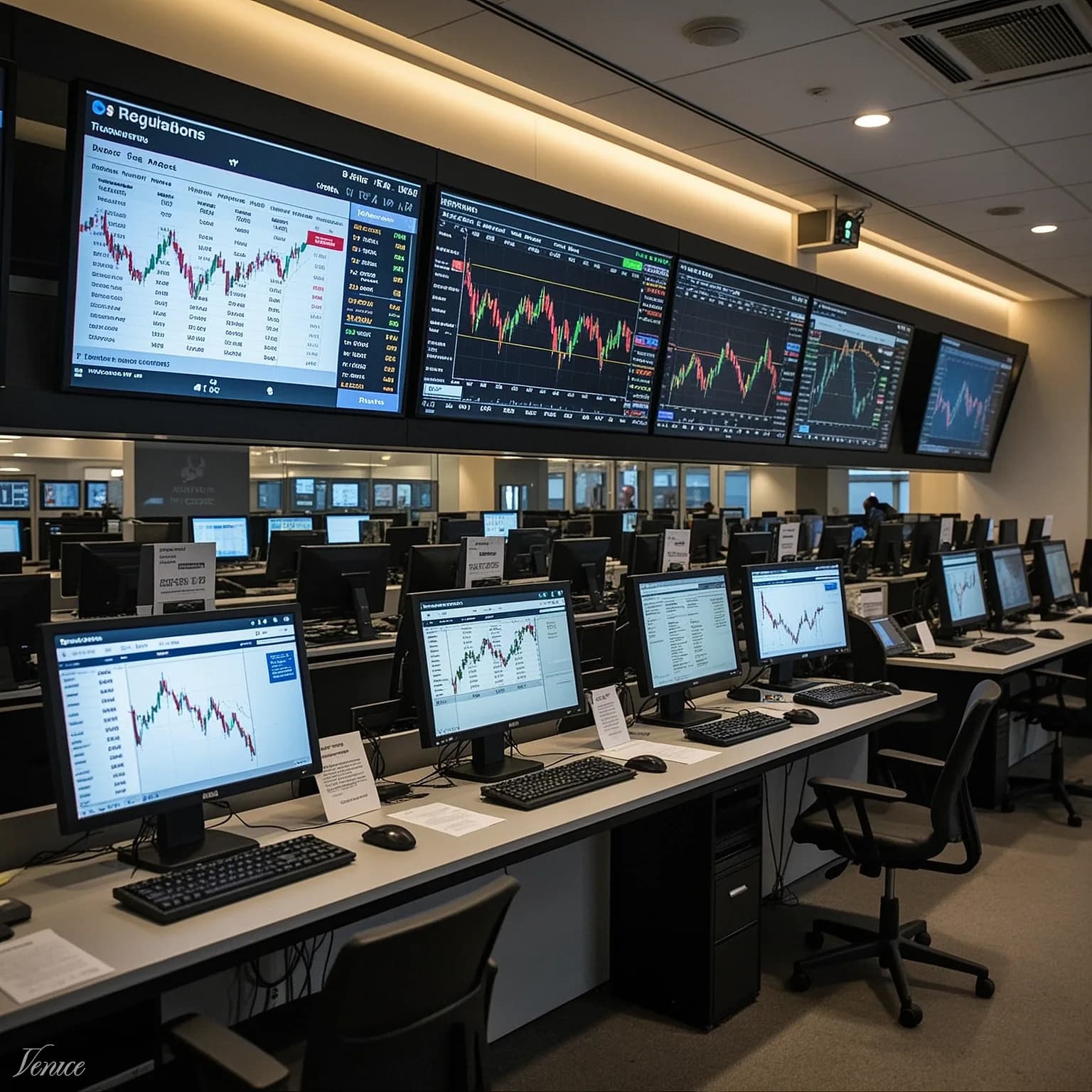
Russia's central bank has taken a major step toward regulating its crypto market by drafting rules for organized trading, equity requirements, and digital depositories. The move comes after years of restrictive policies, signaling a potential shift in the country's approach to digital assets.
Key Provisions of the Draft Rules
The draft rules outline several key provisions for the crypto market: - Organized Trading Platforms: The rules establish criteria for platforms to operate as organized trading venues, ensuring they meet certain standards and regulations. - Equity Requirements: Trading platforms will need to maintain specific equity levels to ensure financial stability and protect investors. - Digital Depositories: The rules also address the creation and operation of digital depositories, which will be responsible for the safekeeping of digital assets.
Why the Shift in Policy?
Russia has historically taken a cautious approach to cryptocurrencies, often viewing them as a threat to its financial system. However, the draft rules suggest a recognition of the growing importance of digital assets and the need for a regulated market. This shift could be driven by several factors: - Economic Pressures: The country may be looking to capitalize on the growing crypto market to attract investment and stimulate economic growth. - Global Trends: As other countries move toward regulating crypto markets, Russia may be seeking to align with international standards to avoid being left behind. - Technological Advancement: The development of digital depositories and organized trading platforms could also be seen as a way to leverage technological advancements in the financial sector.
What It Means for Investors and Traders
The draft rules could have significant implications for investors and traders in Russia: - Increased Legitimacy: A regulated market could increase the legitimacy of crypto trading in Russia, potentially attracting more investors. - Enhanced Protection: The equity requirements and organized trading platforms could provide better protection for investors, reducing the risk of fraud and market manipulation. - Potential for Growth: The establishment of digital depositories could also create new opportunities for the safe and secure storage of digital assets, further boosting the market.
For those currently involved in the crypto market, it will be important to stay updated on the finalized rules and any changes that may occur. Investors should also be prepared for potential adjustments in the market as the new regulations are implemented.
What to Watch Next
- Finalization of Rules: Keep an eye on when the central bank finalizes and enforces these rules. The timeline for implementation could significantly impact the market.
- Market Reaction: Monitor how the crypto market in Russia reacts to these proposed changes. Initial responses from investors and traders will be crucial indicators of the potential impact.
- International Comparisons: Compare these regulations with those in other countries to understand how Russia's approach aligns with or diverges from global standards.
Additional Context
This move by Russia's central bank is part of a broader trend of countries seeking to regulate the crypto market. For example, the European Union has been working on the Markets in Crypto-Assets (MiCA) regulation, which aims to create a comprehensive framework for crypto assets. Similarly, the United States has seen increased regulatory scrutiny, with agencies like the Securities and Exchange Commission (SEC) taking a more active role in overseeing the crypto market.
For everyday crypto users, this development highlights the importance of staying informed about regulatory changes. As more countries move toward regulated markets, understanding these changes can help investors make more informed decisions and navigate the evolving landscape of digital assets.
Frequently asked questions
What are the main provisions in Russia's draft rules for crypto trading?
The draft rules establish criteria for organized trading platforms, equity requirements for financial stability, and the creation of digital depositories for safekeeping digital assets.
Why is Russia changing its approach to crypto regulation?
Russia may be shifting its policy to capitalize on the growing crypto market, align with international standards, and leverage technological advancements in the financial sector.
How will these rules affect investors and traders in Russia?
The rules could increase the legitimacy of crypto trading, provide better investor protection, and create new opportunities for secure asset storage.
What should investors watch for next in Russia's crypto market?
Investors should monitor the finalization of the rules, market reactions, and comparisons with international regulations to understand the potential impact.