Wall Street Takes Cautious Approach to $90T Crypto Trading Product
Regulated perpetual futures are now available in the U.S., but big banks are waiting for better liquidity and clearer rules. Meanwhile, crypto exchanges and trading firms are moving quickly to meet high retail demand.
Key takeaways
- Perpetual futures are a popular crypto derivative with no expiration date.
- The U.S. SEC approved regulated perpetual futures, opening the door for institutions.
- Big banks are waiting for better liquidity and clearer rules before entering.
- Crypto exchanges and trading firms are racing to capture retail demand.
- This cautious approach mirrors the early days of Bitcoin adoption by banks.
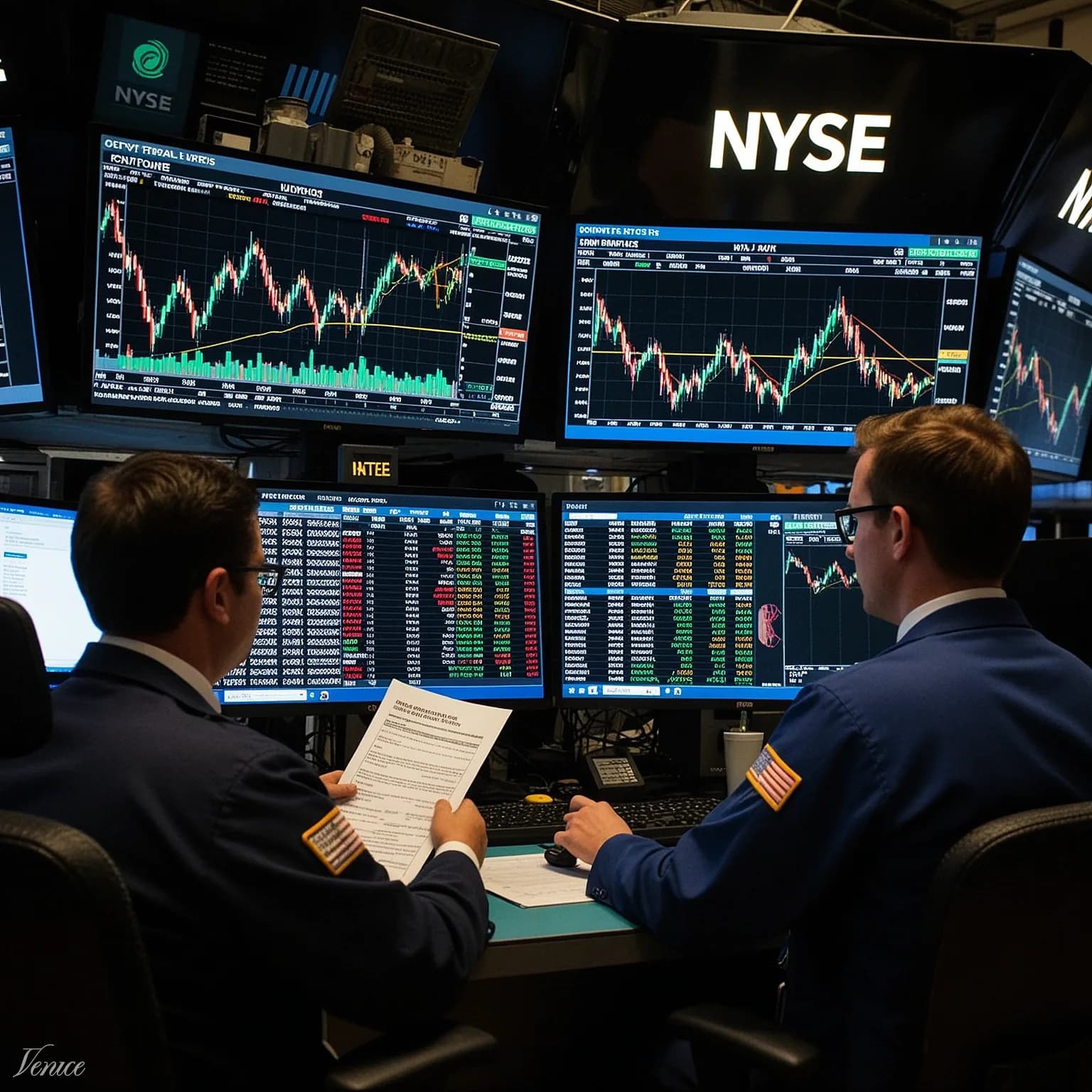
What Are Perpetual Futures?
Perpetual futures are a type of derivative that allows traders to bet on the future price of an asset without an expiration date. Unlike traditional futures, they don't require the buyer to settle the contract by a specific date. This makes them popular among crypto traders, who often hold positions for extended periods. The global market for these products is valued at around $90 trillion, according to CoinDesk.
Why the Timing Matters
The U.S. Securities and Exchange Commission (SEC) recently approved the trading of regulated perpetual futures, opening the door for more institutional participation. However, traditional Wall Street banks are taking a cautious approach. They are waiting for better liquidity, clearer regulatory frameworks, and more mature infrastructure before diving in. This is in stark contrast to crypto exchanges and agile trading firms, which are already racing to capture the massive retail demand for these products.
What It Means for Everyday Investors
For everyday investors, this development means more options and potentially lower fees as competition increases. However, it also means that the market might be more volatile in the short term as liquidity builds. If you're interested in trading perpetual futures, it might be worth keeping an eye on the developments from traditional banks. Their entry into the market could signal a more stable and mature trading environment.
What to Watch Next
- Regulatory Clarity: Keep an eye on any updates from the SEC regarding the rules and regulations surrounding perpetual futures. This could impact how quickly traditional banks enter the market.
- Liquidity Growth: Monitor the trading volumes on crypto exchanges and trading firms. Increased liquidity could attract more institutional investors.
- Bank Participation: Watch for announcements from major banks about their plans to enter the perpetual futures market. Their participation could be a game-changer.
Contrast with Earlier Events
This cautious approach from big banks mirrors the early days of Bitcoin and other cryptocurrencies. Initially, traditional financial institutions were hesitant to enter the space due to regulatory uncertainty and a lack of infrastructure. Over time, as the market matured, they gradually became more involved. The same pattern seems to be emerging with perpetual futures.
Practical Takeaway
If you're a retail investor, now might be a good time to educate yourself about perpetual futures and the risks involved. While the market is growing, it's still relatively new and can be volatile. Consider starting with smaller positions and gradually increasing your exposure as the market matures.
Frequently asked questions
What are perpetual futures?
Perpetual futures are derivatives that allow traders to bet on future asset prices without an expiration date, popular in crypto trading.
Why are big banks taking a slow approach to perpetual futures?
Big banks are waiting for better liquidity, clearer regulations, and more mature infrastructure before entering the market.
How can I start trading perpetual futures?
You can start by educating yourself about the risks and using crypto exchanges that already offer these products.
What should I watch for in the perpetual futures market?
Keep an eye on regulatory updates, liquidity growth, and announcements from major banks about their market entry.