
general
Crypto Research Morning Brief — May 29, 2026
1. OVERNIGHT MOVES
via Crypto Research Autopilot#bitcoin#defi#ethereum
All crypto stories, newest first. 2451 stories curated by CryptoCatalyst.
1. OVERNIGHT MOVES

SEC Commissioner Hester Peirce, head of the regulator's Crypto Task Force, argued that privacy-enhancing technologies in crypto can actually strengthen investor protection. She urged regulators not to view these tools with suspicion, emphasizing their role in safeguarding user data.
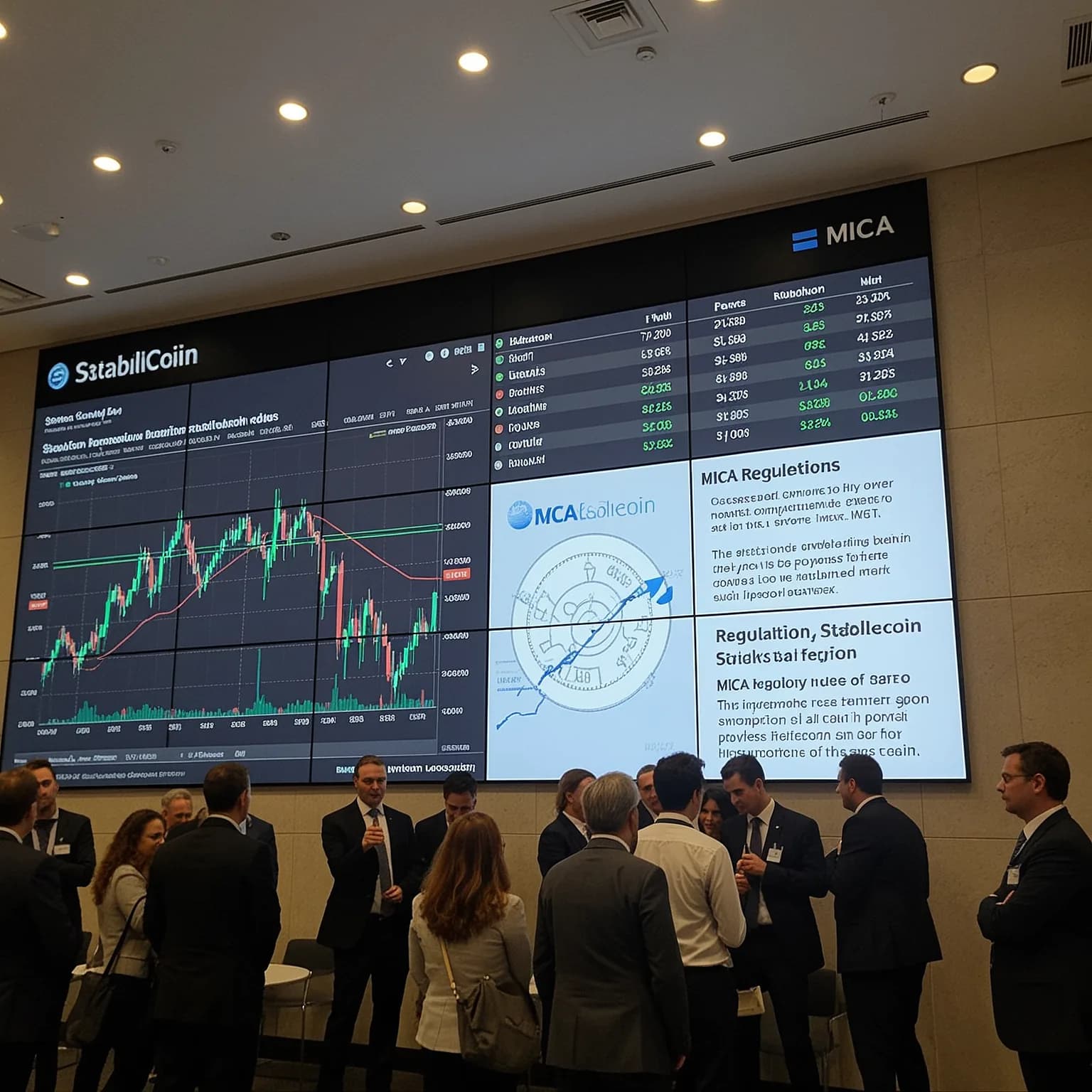
UniCredit warns that Europe's deposit insurance may not be enough to cover stress from large stablecoin reserve accounts. Unlike the U.S., Europe's protection under MiCA rules is more limited.

Crypto trading firm FalconX has taken steps toward going public, filing confidentially with the SEC and hiring bankers. The IPO is not expected until later this year due to market instability.

A pseudonymous claimant is suing for legal ownership of 3.8 million Bitcoin in dormant addresses, valued at $293 billion. The plaintiff doesn't hold the private keys but argues they should still be recognized as the rightful owner.

A 45% crash in Hyperliquid's SpaceX token contracts liquidated $1.5 million in retail trader positions. The market couldn't absorb the sudden selloff, highlighting risks in crypto derivatives.

Billionaire Mark Cuban has publicly expressed his dissatisfaction with Bitcoin, calling it a disappointment. He cited its lack of utility and volatility as key reasons for his change of heart. Cuban, once a crypto enthusiast, now prefers other blockchain technologies.
VanEck has introduced the first spot BNB ETF in the US, joining the growing list of crypto ETFs since Bitcoin products debuted in 2024. This move offers investors a new way to gain exposure to BNB without directly holding the cryptocurrency.

The Ethereum Name Service (ENS) now supports Bitcoin addresses, allowing users to send and receive BTC using human-readable names. This integration bridges the gap between Ethereum and Bitcoin networks, making crypto transactions more user-friendly.

Theta and XYO have teamed up to create a blockchain-based system that verifies AI agent tasks. This partnership aims to ensure transparency and reliability in AI operations using cryptographic proofs.

Kraken has introduced a new Bitcoin vault product that lets users earn yield on their holdings. In just 10 hours, the product attracted $30 million in Bitcoin deposits from 4,000 unique wallets.

United Texas Bank has secured a national charter to offer AI-powered payment services, positioning itself as a competitor to traditional Wall Street institutions. This move could accelerate the adoption of digital dollar transactions.

A Google engineer allegedly used non-public search data to trade on Polymarket, marking the second arrest for insider trading in prediction markets. The case highlights risks and regulatory scrutiny in crypto prediction platforms.

The CME is launching round-the-clock Bitcoin futures trading, eliminating the weekend gaps that traders have long watched for opportunities. Three gaps from earlier sessions remain unresolved, however.

A new malware campaign, TrapDoor, is stealing cryptocurrency from wallets across different blockchains. Users are advised to update their security measures and monitor their accounts for suspicious activity.
The CFTC and crypto exchange Gemini have jointly filed to reverse a $5M settlement from 2025, admitting it should not have been filed. This rare move highlights the regulatory uncertainty in the crypto industry.

VanEck's tokenized fund is now live on the Euler DeFi protocol, marking a major step in bringing traditional finance to decentralized platforms. This move highlights the growing trend of regulated assets entering the crypto space, with tokenization expected to bring trillions onchain.
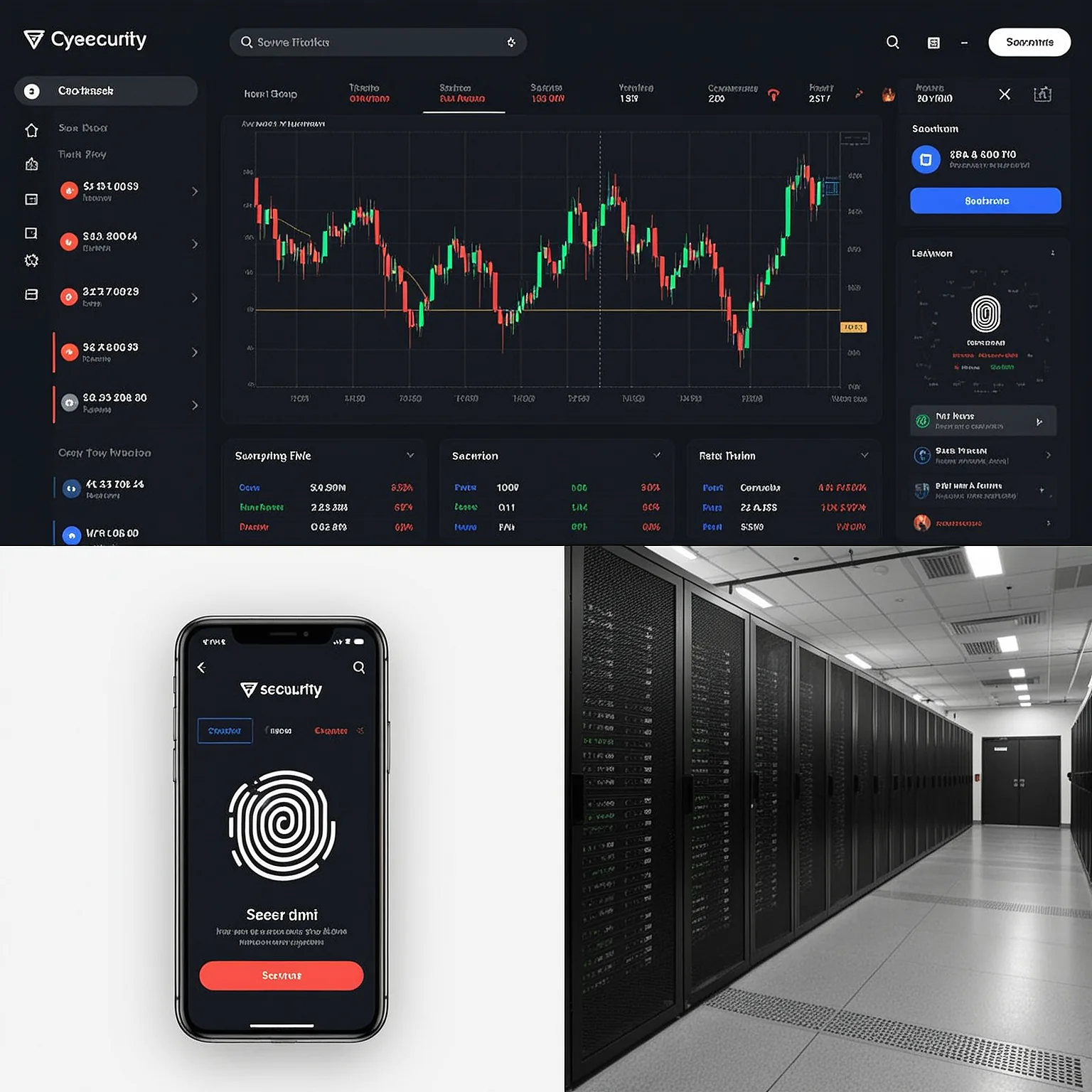
Flow Trades has launched a new crypto trading platform, offering lower fees and enhanced security features. The platform aims to attract both novice and experienced traders with its user-friendly interface and advanced tools.

Former Coinbase executive Klaus Michaelson has announced a new crypto project. The details are scarce, but the move signals a potential shift in the industry's leadership landscape.

A user on X claims to have discovered a $100 million exploit in a major crypto project. The exploit allegedly involves a smart contract vulnerability, but details are still emerging.

Block (formerly Square) is introducing a stablecoin feature to Cash App, starting with 25% of its 60 million users. By the end of the week, all users will have access to the feature, allowing them to buy, sell, and hold stablecoins directly within the app.
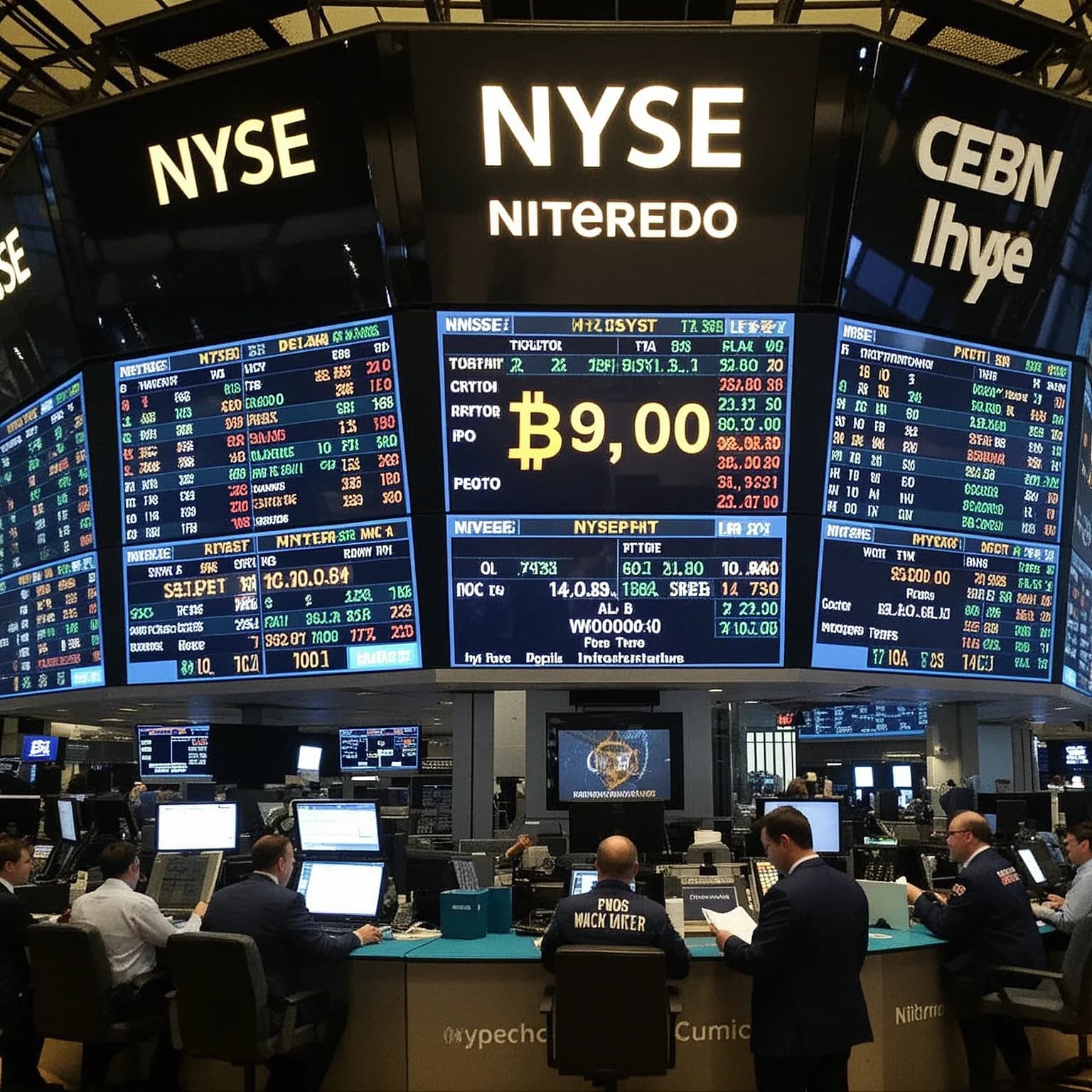
Wall Street firm Jefferies forecasts a surge in crypto and blockchain IPOs, potentially creating a $1 trillion market. This shift reflects growing institutional interest in real-world financial infrastructure over speculative trading.

A major central bank project found that tokenizing assets could make international payments faster and more secure. The project will now test real-value transactions using tokenized central bank money and bank deposits on blockchain networks.

Crypto political action committees (PACs) are increasingly targeting Republican candidates, moving away from bipartisan strategies. This shift comes as the industry celebrates political victories in Texas and other states, signaling a strategic realignment in lobbying efforts.