DePIN and crypto gaming led a surprising end-of-year rebound
BTC finished the week up 1.6%, while L2s, RWAs and the treasury trade continued to grind lower. DePIN and crypto gaming sectors showed strong rebounds.
All crypto stories, newest first. 2442 stories curated by CryptoCatalyst.

BTC finished the week up 1.6%, while L2s, RWAs and the treasury trade continued to grind lower. DePIN and crypto gaming sectors showed strong rebounds.

Mastercard's Agent Pay for Machines lets AI agents buy services and settle transactions using cards, bank accounts, and stablecoins. The system is backed by crypto giants like Coinbase and Ripple, aiming to streamline AI commerce.

The CFTC proposed new rules for burgeoning prediction markets that delineate what bets would be allowed under federal law.

Ethereum co-founder Joe Lubin believes the network could become fully based on zero-knowledge proofs (ZKPs) within 3-5 years. He argues this is necessary to meet the infinite demands of Ethereum as a 'World Computer,' making Layer 2 solutions essential.

Botanix, a Bitcoin DeFi project, has shut down with a brutal post-mortem bluntly stating that users simply did not care. The team cited market conditions and timing as key factors, admitting the project did not work in this market or timeline.

Citi analysts warn that Bitcoin's security could be at greater risk from quantum computing than Ethereum's. The concern stems from Bitcoin's reliance on elliptic curve cryptography, which may be more vulnerable to quantum attacks.

Ethereum developers are revisiting privacy as a priority, exploring new token standards to enhance user anonymity. This could lead to more private transactions on the blockchain, benefiting users concerned about financial privacy.

BlackRock's IBIT and Fidelity's FBTC are attracting the vast majority of new bitcoin ETF money, leaving smaller funds increasingly sidelined as institutional investors consolidate around the industry's largest players.

The New York Department of Financial Services (NYDFS) has proposed new stablecoin regulations that align with the federal GENIUS Act. The rules include reserve concentration limits and mandatory risk management programs to enhance stability and transparency.

Pyth is now offering continuous price data for major stocks, oil, and metals by combining onchain and offchain sources. This provides real-time market insights for traders and investors in the crypto and traditional finance spaces.

Curve Finance has launched Llamalend v2 on the Optimism network, backed by a 250,000 OP token grant. The new version supports markets for multiple collateral and borrow assets beyond crvUSD and introduces LlamaRisk as a market curator.

Ripple has launched a new toolkit that enables AI agents to execute payments on the XRP Ledger with limited human intervention. This development aims to create payment rails for AI agents to handle transactions autonomously.

Chainalysis, a leading blockchain analytics firm, has teamed up with South Korea's national police to tackle crypto-related crimes, including those linked to North Korea. This collaboration aims to enhance the country's ability to track and prevent financial crimes involving digital assets.

The European Union is targeting 11 cryptocurrency platforms in its latest sanctions against Russia, aiming to cut off financial networks helping Moscow evade restrictions. This move could disrupt crypto transactions and tighten financial scrutiny on digital assets.

Trad.Fi is moving up to $650 million in equipment finance private credit onto the blockchain, targeting the trillion-dollar US market. This could make financing faster and more accessible for small businesses.

MUFG, SMBC, and Mizuho will establish a council to explore operational frameworks and prepare for the issuance of stablecoins. The banks aim to finalize their plans by March 2027.

1. OVERNIGHT MOVES

El Salvador remains committed to Bitcoin, holding 7,677 BTC worth around $480 million. The country made Bitcoin legal tender in 2021, becoming the first nation to do so.

The Stellar Development Foundation has released a three-step plan to protect its blockchain from future quantum computing threats. This move highlights the growing concern about quantum computers breaking current cryptographic defenses.

Trad.Fi, a lender specializing in equipment financing, is partnering with W3 to automate business lending using AI. The goal is to bring $650 million in private credit onto public blockchains, making the process more transparent and efficient.

A Hyperliquid-backed lobby group and Paradigm are urging the US to revise a proposed anti-money laundering rule that could restrict decentralized stablecoin usage on public blockchains, potentially impacting how people use stablecoins for transactions and DeFi services.

StarkWare and Sui are launching confidential transfer systems that comply with regulations, while Zama is enhancing its compliance efforts. This move comes as a bug in Zcash’s Orchard highlights the risks of unregulated privacy models.

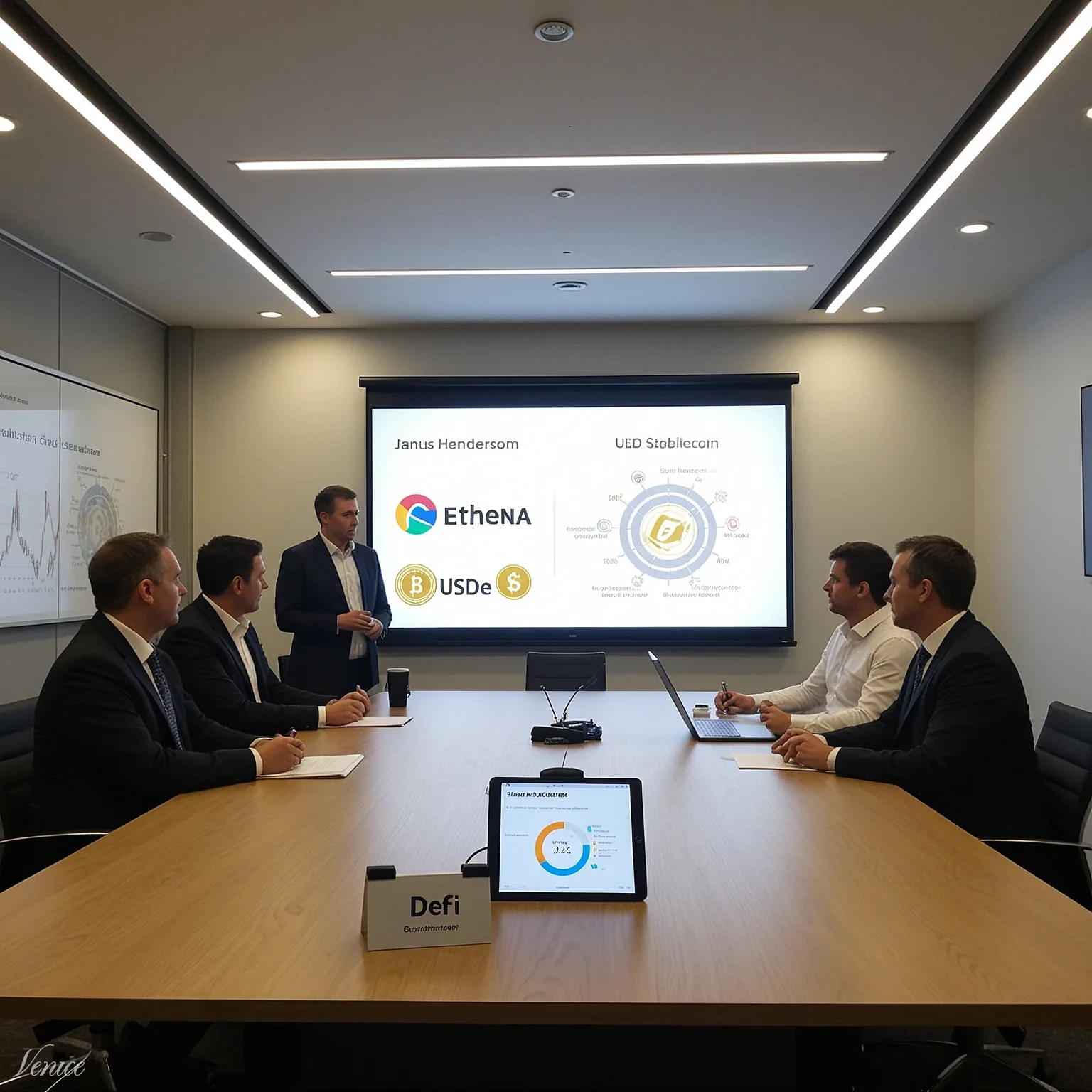
Traditional asset manager Janus Henderson has invested in Ethena and plans to distribute its stablecoin, USDe. This follows a trend of big finance firms embracing decentralized finance (DeFi) infrastructure.

Zcash has finalized its Ironwood upgrade, which will introduce a new shielded pool and ensure the supply of ZEC remains bounded. The upgrade is scheduled to activate in July 2026.