
general
Crypto Research Morning Brief — June 22, 2026
1. OVERNIGHT MOVES
via Crypto Research Autopilot#bitcoin#defi#ethereum
All crypto stories, newest first. 1524 stories curated by CryptoCatalyst.
1. OVERNIGHT MOVES

Argos has developed a system to label every transaction on Ethereum, helping users understand the purpose of DeFi activities. The system classifies transactions such as arbitrage, swaps, and other common DeFi actions, and is detailed in a post on their official blog.
A security researcher audited 200 blockchain-related NPM packages and found they are either deprecated or pose hijacking risks. This highlights ongoing vulnerabilities in open-source blockchain development tools.
A new bill aims to prevent lawmakers and their families from trading on prediction markets using insider knowledge. This move targets potential conflicts of interest in policy-related betting.
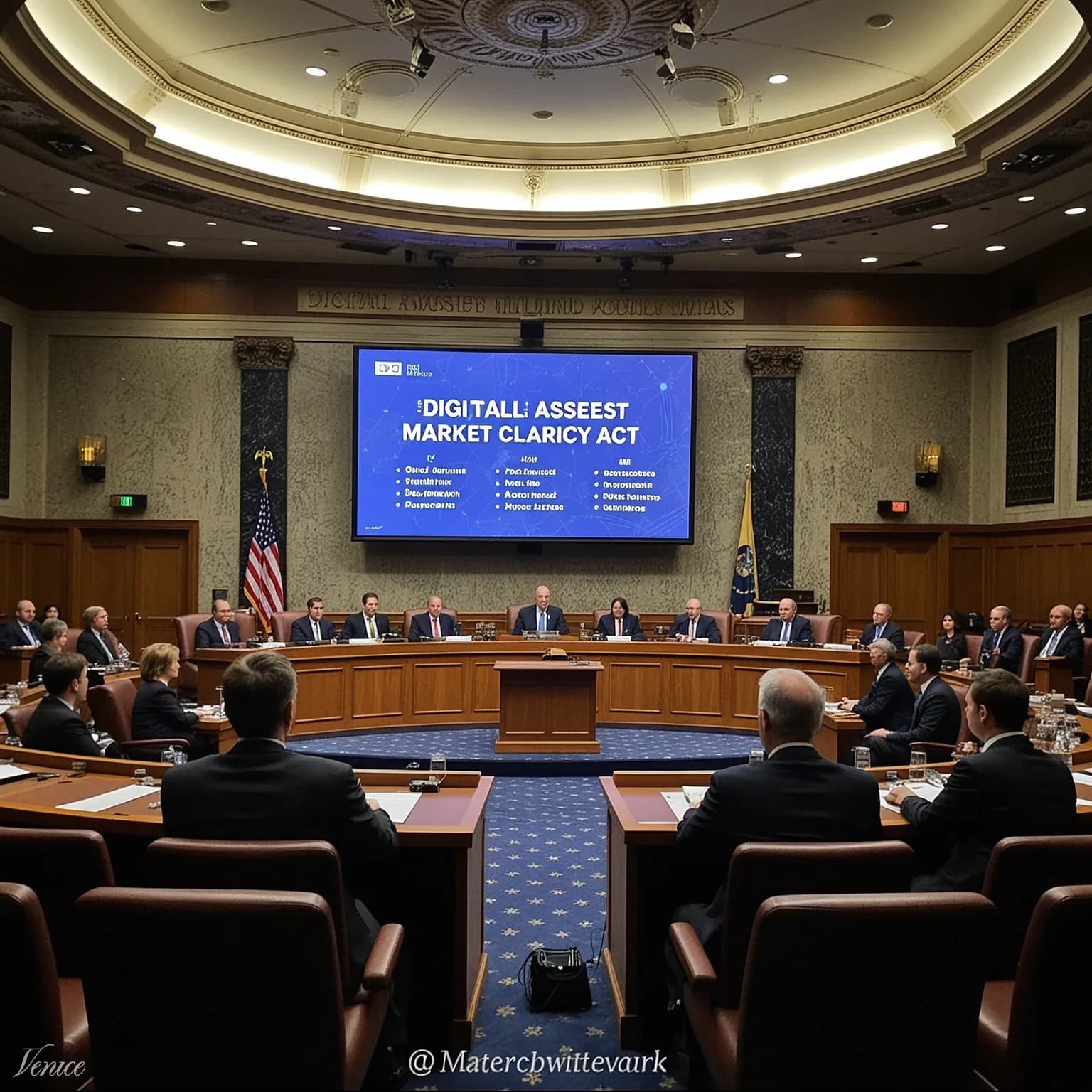
The CLARITY Act, formally the Digital Asset Market Clarity Act, is a proposed U.S. cryptocurrency market structure bill that would establish a federal framework for how digital assets are issued, traded and regulated in the United States. The bill focuses on digital asset regulation, including how crypto firms should comply with federal law and which regulators should oversee the market. The bill is still in the proposal stage, with no immediate action required from the public.

Bitcoin has lost nearly half its value in 11 months, forcing investors to question their long-term strategies and the fundamental reasons for holding the cryptocurrency. The decline has sparked discussions about Bitcoin's role as a store of value and hedge against inflation.

CME Group is challenging the CFTC's approval of Kalshi's perpetual futures product, arguing it was incorrectly classified as a swap. This legal battle could reshape how crypto derivatives are regulated in the U.S. The lawsuit was filed on June 20, 2026.

Andre Cronje and two other key figures have stepped down from the Sonic Labs board. The S token, formerly Fantom, is now trading 97% below its peak value.
A criminal group with ties to fentanyl distribution has been accused of running a crypto scam using a fake 'zksync.jp' token, causing over $1 million in losses. The scheme originated from Japan and targeted crypto users worldwide, highlighting the intersection of drug trafficking and digital fraud.
Activity on the Bitcoin network is surging, CryptoQuant said, but it's not correlating with price movement for its native asset.
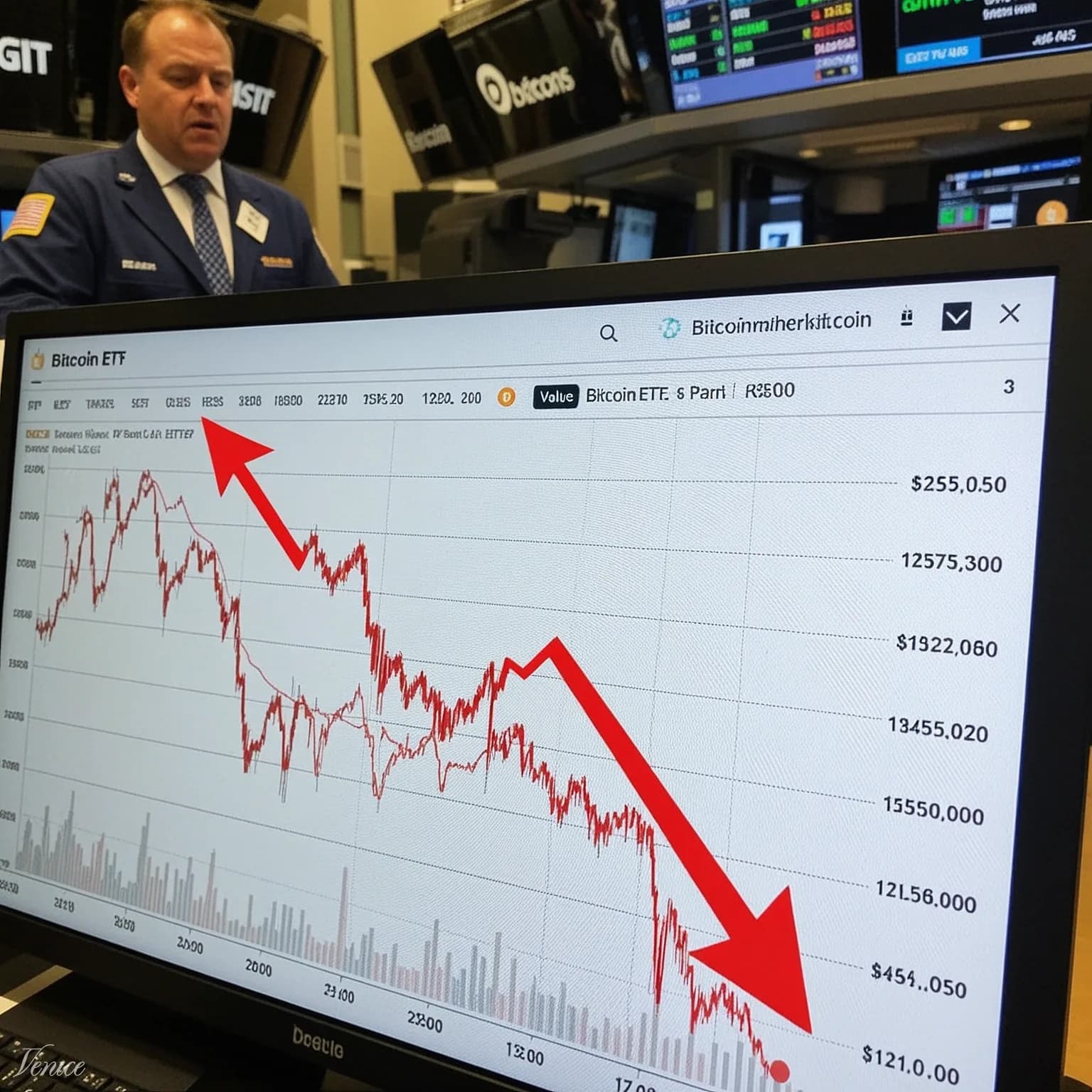
US-listed spot Bitcoin exchange-traded funds experienced their largest 30-day net outflow since launching in 2024, totaling $6.4 billion. This coincides with Bitcoin's 17% price drop over the past month, reflecting broader market uncertainty.

Retail investors hold $8.8 billion in STRC, a bitcoin-backed security marketed as a safer, smarter investment but criticized as high-risk junk credit. The product offers an 11.5% income and is promoted as tax-favored with money-market risk, yet 82.7% of buyers are retail, and $15 billion sits across three similar securities (STRC, Strategy’s preferred stack, and SATA).

Chainstack has launched a free tool to make running blockchain nodes easier. The software supports Ethereum and plans to add more chains by the end of the year.

A Japanese corporate pension fund with about 1,200 participating small and medium-sized businesses plans to allocate roughly 1% of its assets to crypto, according to Nikkei.

Franklin Templeton has filed for two new ETFs that automatically reinvest stock dividends into Bitcoin exposure, blending traditional equity investing with a built-in Bitcoin accumulation strategy.
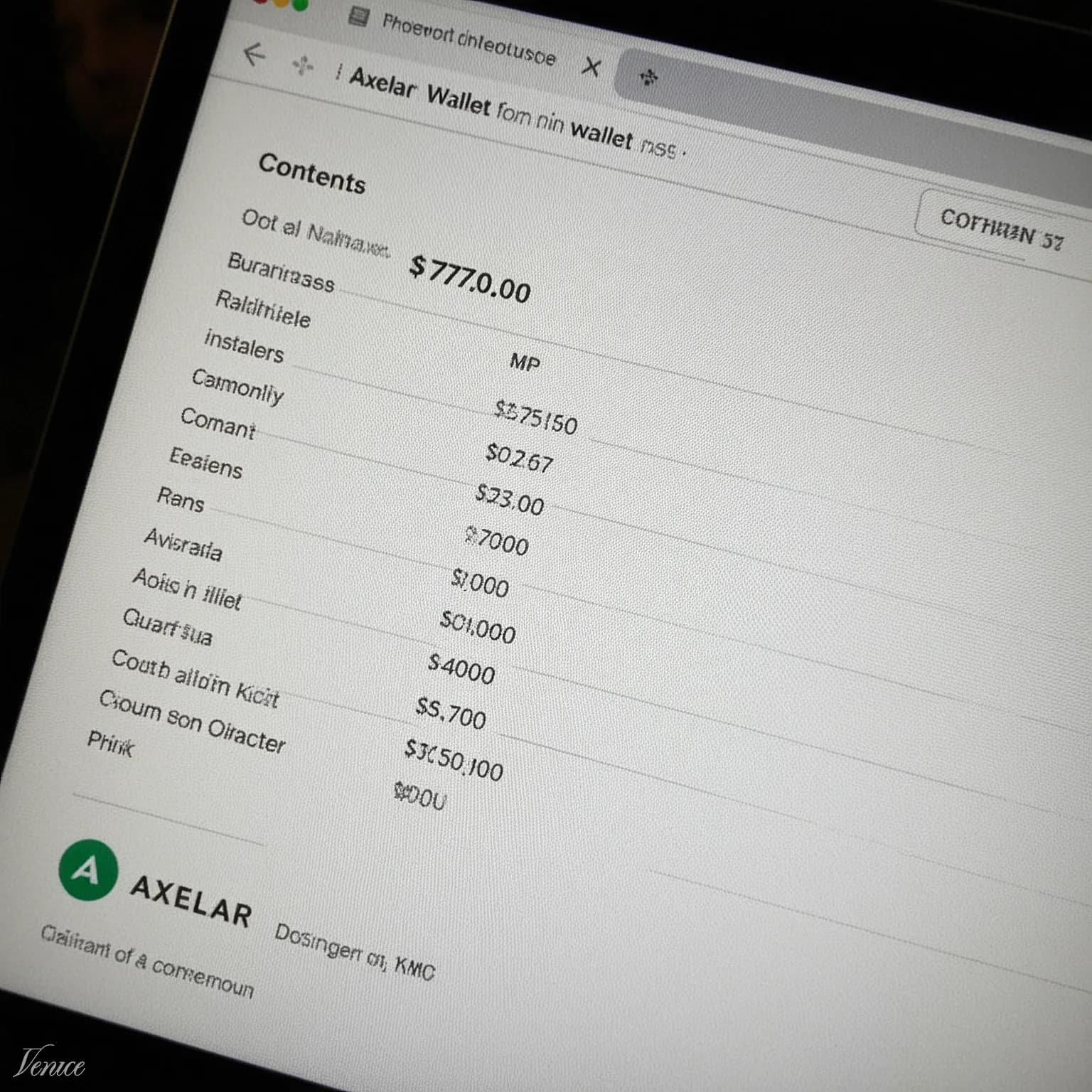
Secret Network lost $4.67 million in an infinite-mint exploit on the Axelar bridge, which went undetected for seven days. The attacker still holds about $770,000 in an Axelar wallet, which Axelar declined to freeze.

The largest 'sandwich' bot on Ethereum, which itself front-runs trades to profit, was ironically exploited and drained of $7.5 million. The incident underscores the risks in DeFi, even for sophisticated automated tools.

1. OVERNIGHT MOVES

Researchers have discovered malicious downloads on the Steam Workshop for Wallpaper Engine that distribute infostealers, backdoors, and account-hijacking malware to steal cryptocurrency and personal data from gamers.
Federal Reserve Governor Kevin Warsh's hawkish first FOMC meeting underscores the need for constant dollar management, contrasting with Bitcoin's fixed supply and automatic monetary policy.
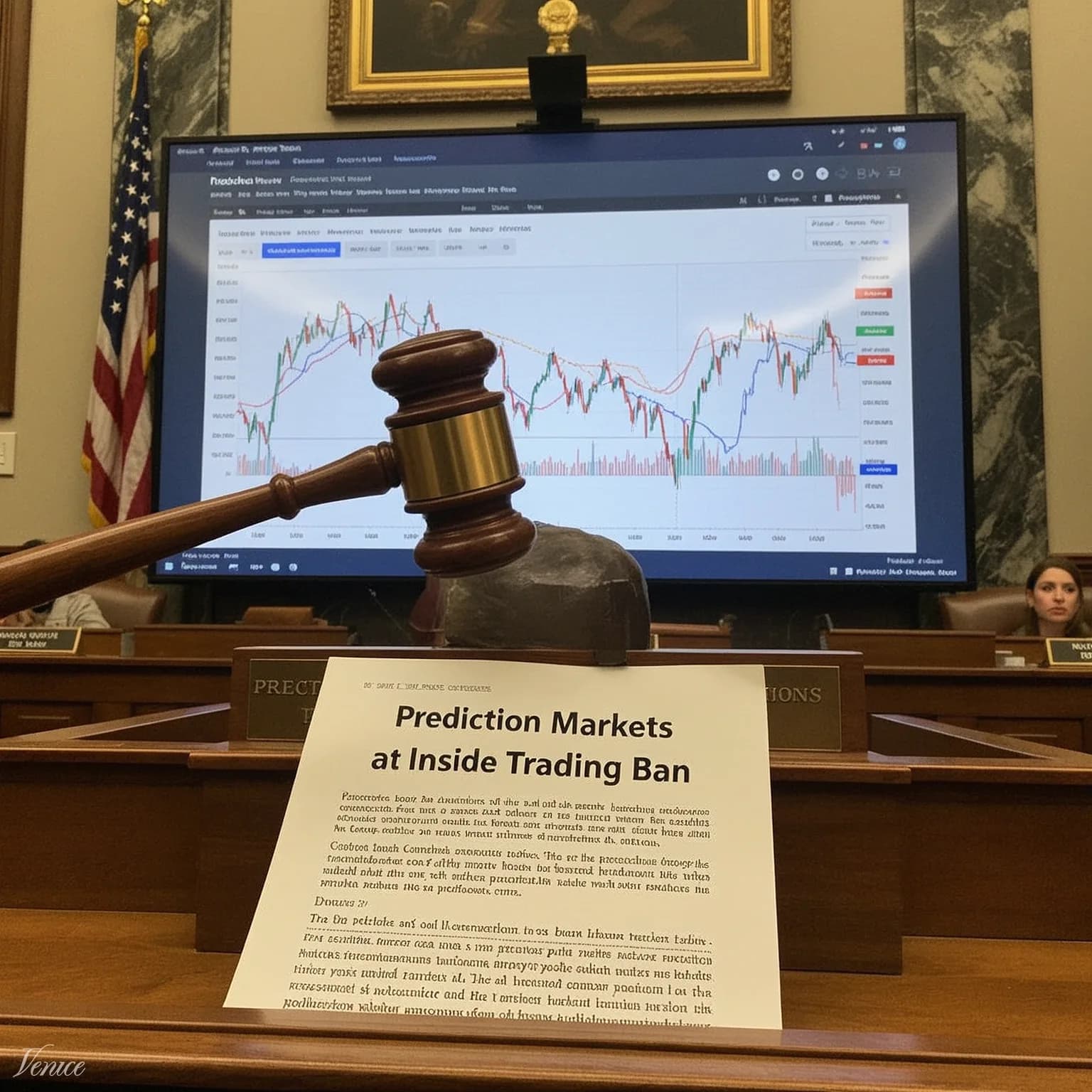
A new bill aims to ban insider trading in prediction markets but notably does not include White House officials or specifically bar Congress members from using the platforms. It targets policy wagers, not sports betting.

Pudgy Penguins, the NFT-born franchise, is expanding into physical retail with its Vibes Series 3 trading cards now available at Target stores across the US. This marks a significant move for the brand as it bridges the gap between digital collectibles and mainstream commerce.

The European Commission is seeking public comment on potential revisions to its crypto regulatory framework, specifically regarding stablecoins and decentralized finance.

CME Group plans to sue the CFTC over its approval of bitcoin perpetual futures, arguing the contracts are swaps—not futures—under the Dodd-Frank Act. This legal battle could reshape how crypto derivatives are regulated in the U.S.