
general
US Senate Passes Housing Bill With Four-Year Fed CBDC Ban
A bipartisan housing bill the Senate passed 85-5 Monday would block a Fed digital dollar through 2030, and now heads to the House.
via Decrypt#cbdc#federal reserve#housing bill
All crypto stories, newest first.
A bipartisan housing bill the Senate passed 85-5 Monday would block a Fed digital dollar through 2030, and now heads to the House.

President Donald Trump signed two executive orders aimed at expanding U.S. quantum computing capabilities and speeding the transition to quantum-resistant encryption, which could impact Bitcoin's long-term security.

THORChain has restarted all network activities after a month-long pause to fix vulnerabilities that led to a $10.7 million exploit. The team implemented multiple security upgrades and a vault migration to ensure safety.

Ripple has received preliminary approval from Luxembourg's financial regulator to operate under the EU's MiCA framework. This will allow Ripple to offer its stablecoin payment systems to European companies and expand its crypto services in the region.

The European Parliament has approved a legal framework for a digital euro, aiming to reduce reliance on U.S. payment systems. This move could reshape Europe's financial landscape by 2029, offering a state-backed digital currency alternative.

The Clarity Act, a key crypto regulatory bill, faces tough negotiations in the U.S. Senate. Lobbyists are pushing for a July vote, but its future remains uncertain.

Allium, a blockchain data startup, secured $40 million in Series B funding to enhance its infrastructure for institutional clients like Visa and the Federal Reserve. This highlights growing interest in onchain analytics from traditional financial players.

The Bank of England has replaced individual holding caps with a £40 billion per-coin issuance limit for stablecoins. This change allows issuers to hold more reserves in government debt, potentially boosting stablecoin adoption in the UK.

X (formerly Twitter) is adding support for Bitcoin payments via the Lightning Network. This move could make it easier for users to send and receive Bitcoin directly on the platform.

The market for tokenized real-world assets (RWAs) has grown 40% to $51 billion, with equity tokenization leading the charge at a 130% increase. Industry players are now racing to define the best business model for this rapidly expanding sector.

Taiko halted its Ethereum layer-2 network after a bridge exploit drained $1.7 million. An attacker forged withdrawal proofs, the same type of flaw behind this year's biggest bridge hacks. Fast containment limited damage. Taiko's token dropped about 10%.

Securitize and tZERO are locked in a legal battle over tokenization patents as companies rush to bring traditional financial assets onchain. This fight highlights the growing competition to digitize Wall Street securities.

Q2 2026 was the most-hacked quarter on record, with 83 cybersecurity incidents resulting in $755 million stolen. Cross-chain bridges remained the most costly attack vector, highlighting ongoing security vulnerabilities in the crypto industry.
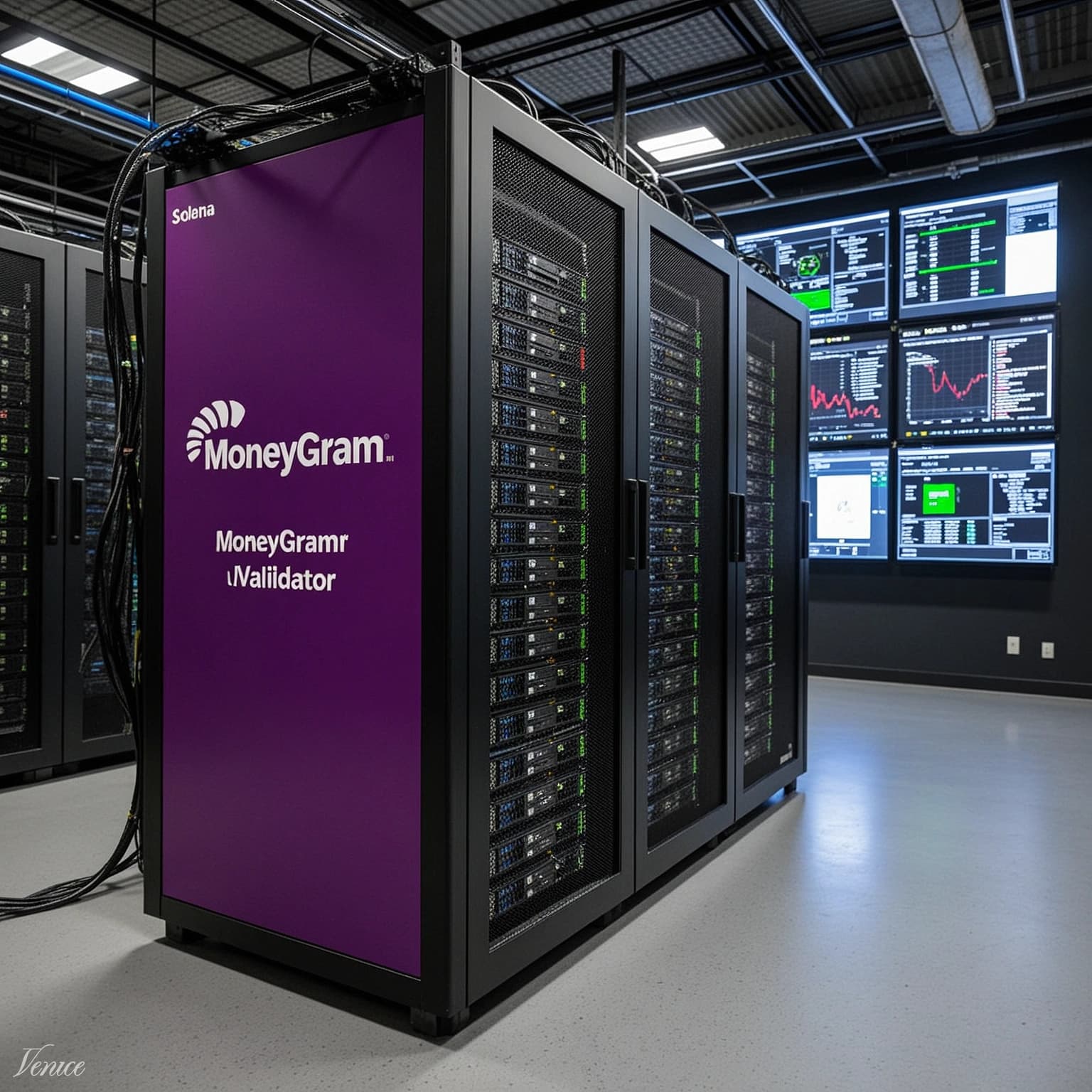
MoneyGram has become a validator on the Solana blockchain, helping process and secure transactions as it expands its stablecoin payment services. The move aims to make cross-border payments faster and cheaper for users.

Ethlabs was formed with support from SharpLink, Bitmine and Consensys CEO Joe Lubin as the network's development is expanding beyond the Ethereum Foundation.

The New York Stock Exchange's parent company, ICE, is teaming up with crypto exchange OKX to advance tokenized securities. This joint venture, co-chaired by a former New York governor, aims to bring blockchain-based financial products to mainstream investors.

Franklin Templeton has created a dedicated crypto division following the completion of its acquisition of 250 Digital. The move comes as the firm's tokenized assets grew from roughly $768 million to over $2.5 billion in a year.
A new proposal suggests redirecting up to 10% of Ethereum staking rewards to fund public goods. The debate highlights tensions between rewarding validators and funding ecosystem growth.
A new Ethereum governance proposal suggests validators could redirect up to 10% of their staking rewards to fund ecosystem projects. This raises questions about coordination, incentives, and who gets to decide where the money goes.

Hsiao-Wei Wang, co-executive director of the Ethereum Foundation, is stepping down, fueling discussions about the organization's future. This departure follows a series of high-profile exits from the foundation, raising concerns about leadership stability.